Sweet Sliced Pickled Cucumbers

When your garden is producing cucumbers faster than you can eat them,  this recipe is just the ticket!  It was given to me several years ago by a very good friend who is lovely about sharing her recipes.  It is a particular favorite at our church suppers and everyone  seems to want to know how to make them.   This is the kind of recipe where it’s hard to stop eating them after one serving.  You will want to have a 2nd or even 3rd helping—-they’re that good!

Don’t shy away because of the word pickle in the title.  There’s no cooking,  well, just a tiny bit,  and no processing jars or any of that stuff.  It’s another of my recipes that I can truly  say is quick and easy.  Here’s all you need:

WHAT YOU NEED:

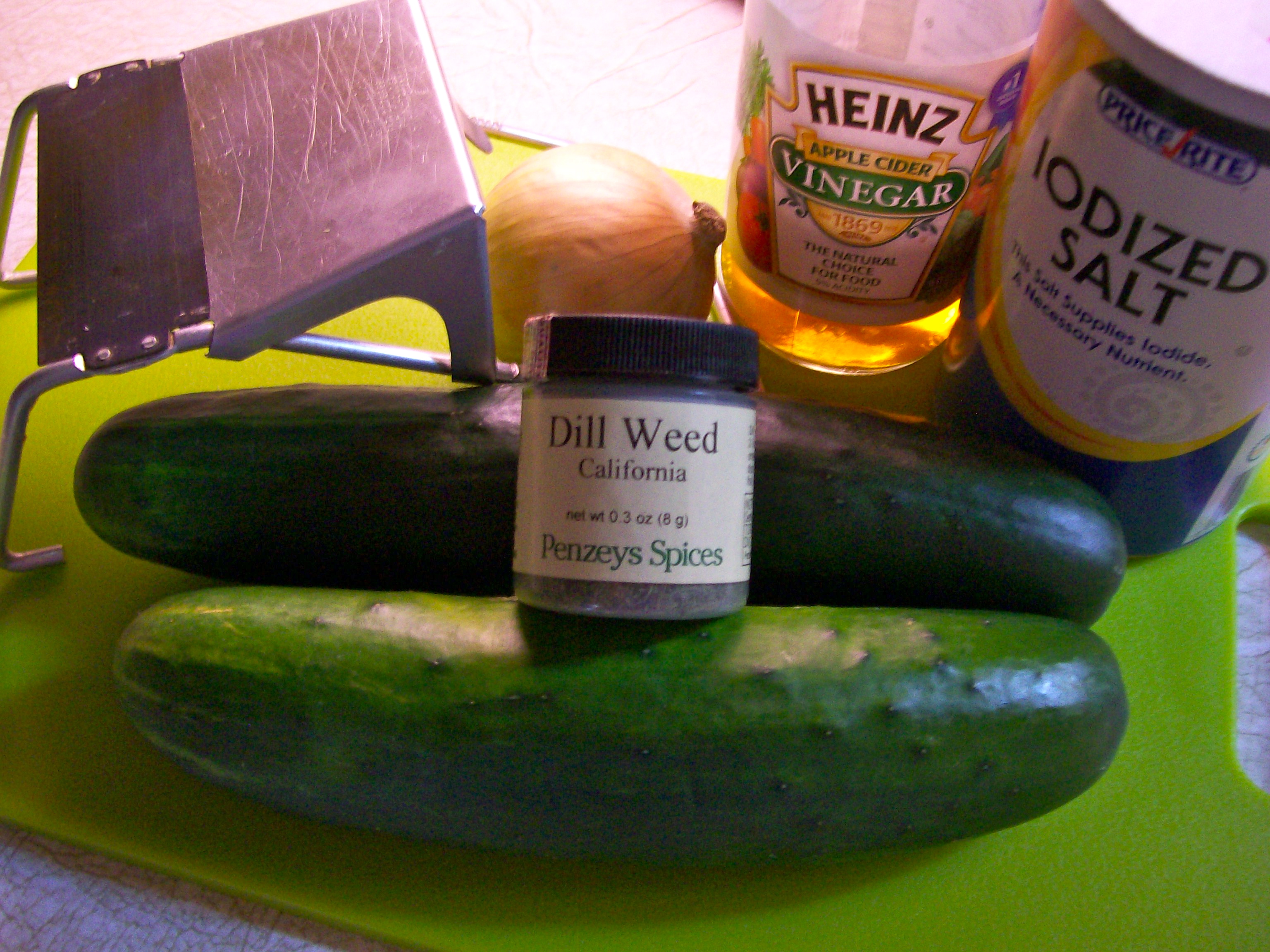
  • 3-4  large cucumbers, sliced.  Peel or don’t peel as desired.  (If they are waxed from the grocery store, then I peel them, but if they’re tender fresh cukes, I don’t.)
  • 1 large sweet onion, or 2 medium, thinly sliced
  • 3 Tablespoons minced fresh dill, or  1 Tablespoon dill weed
  • 1 cup sugar
  • 1/2 cup cider vinegar
  • 1/2 cup water
  • 1 teaspoon salt

WHAT YOU DO:

  1. To slice the cucumbers and onion, use a mandolin slicer or the slicing blade on a food processor.  You want nice thin uniformly sliced vegetables.

Combine the cucumbers, onions, and dill in a large bowl.

2.   In a saucepan, combine sugar, vinegar, water, and salt;  bring to a boil.   Pour the hot liquid over the cucumber mixture.  Stir to expose all the cucumbers and onions to the hot liquid.    Cover and chill for at least 3 hours, or overnight.

3.   Store in covered containers or jars with tightly closed lids.

It is amazing to me how crisp these cucumbers become as they cool.  They are great used as a condiment, a cold salad, or layered in a sandwich.  (My husband likes them on a grilled hot dog.)   They will keep for a week or two in the refrigerator.  Please note that in the accompanying photos I am making half a recipe with 2 large cucumbers.

Homemade Pesto

When we say pesto most of us think of basil as the primary ingredient.  But pesto(s) can be made from a variety of herbs, vegetables and condiments; or combinations there of.  What is needed is a food processor–and chop, chop–you can be enjoying the flavors of summer all year long.  I include the making of pesto in my series on kitchen basics, because it is so easy, and so useful in a great number of ways.

Depending on what flavor you have on hand you can do any of the following with it:  spread it on grilled corn, toss with grilled veggies for extra flavor, spoon over a spreadable cheese and serve with crackers for an appetizer, use in place of sauce on pizza, stir some into eggs for a seasoned omelet, add a spoonful to soup for an extra flavor hit.   See how versatile it is?  I’m sure you can think of other uses, too.

It is so easy to make that I am giving the general directions first, followed by the ingredients list for four (4) different kinds.  Each one makes  about 2 cups of pesto.  I like to divide mine up into 1/2 – 1 cup amounts and store in the freezer, removing a small container of it as needed.  The flavor stays as fresh as the day you made it.

GENERAL DIRECTIONS

Place all ingredients in the bowl of a food processor and process until smooth, stopping to scrape down the sides as needed.  Period!  Did I say Easy?   Divide up into small jars or plastic  containers, and use creatively.

BASIL

1.  BASIL PESTO

  • 2 cups loosely packed fresh basil leaves
  • 1 cup grated parmesan cheese
  • 2/3 cup good quality olive oil
  • 1/4 cup pine nuts (pignoli)
  • 2 garlic cloves
  • 3 Tablespoons cold water
  • 1 Tablespoon lemon juice
  • 1/2 teaspoon salt.

CILANTRO

2.  CILANTRO PESTO

  • 1/2 cup chopped pecans
  • 1 teaspoon ground cumin
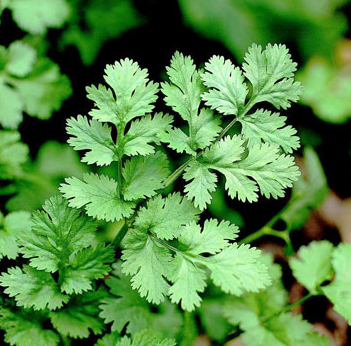
  • 2 cups loosely packed fresh cilantro leaves
  • 1/2 cup grated parmesan cheese
  • 1/3 cup olive oil
  • 1/4 cup cold water
  • 2 garlic cloves
  • 1 Tablespoon lemon juice
  • 1/2 teaspoon salt

ROSEMARY

3.  OLIVE PESTO

  • 1  7 0z. jar pitted kalamata olives, drained
  • 1  7 oz. jar pimiento-stuffed Spanish olives, drained
  • 1/4 cup grated parmesan cheese
  • 3 Tablespoons olive oil
  • 2 Tablespoons balsamic vinegar
  •  3-4 cloves garlic
  • 1 teaspoon pepper
  • 1 teaspoon smoked paprika

OREGANO

4.  MIXED HERBS PESTO

  • 2/3 cup olive oil
  • 1/2 cup loosely packed fresh basil leaves
  • 1/2 cup loosely packed fresh flat-leaf parsley
  • 2 Tablespoons fresh oregano leaves, or  1 1/2 teaspoons dried oregano
  • 1 Tablespoon fresh rosemary leaves, or 1  teaspoon dried rosemary
  • 1/2 cup parmesan cheese
  • 1/4 cup pine nuts (pignoli)
  • 1/4 cup cold water
  • 1 or 2 cloves garlic
  • 1 Tablespoon lemon juice
  • 1/2 teaspoon salt
  • 1/2 teaspoon pepper

SOURCE:   adapted from  Foods, Quick and Easy.

Summer-strone-zpacho

A regional farmer’s market has opened nearby, and I couldn’t wait to go and browse all the stalls.  I just love looking at all the fresh produce, herbs, cheeses and baked goods.  My creative juices start to flow as I imagine what I could do with it all.   Everything was so tempting, that I had to exert great self-restraint, and therefore brought home mostly vegetables.

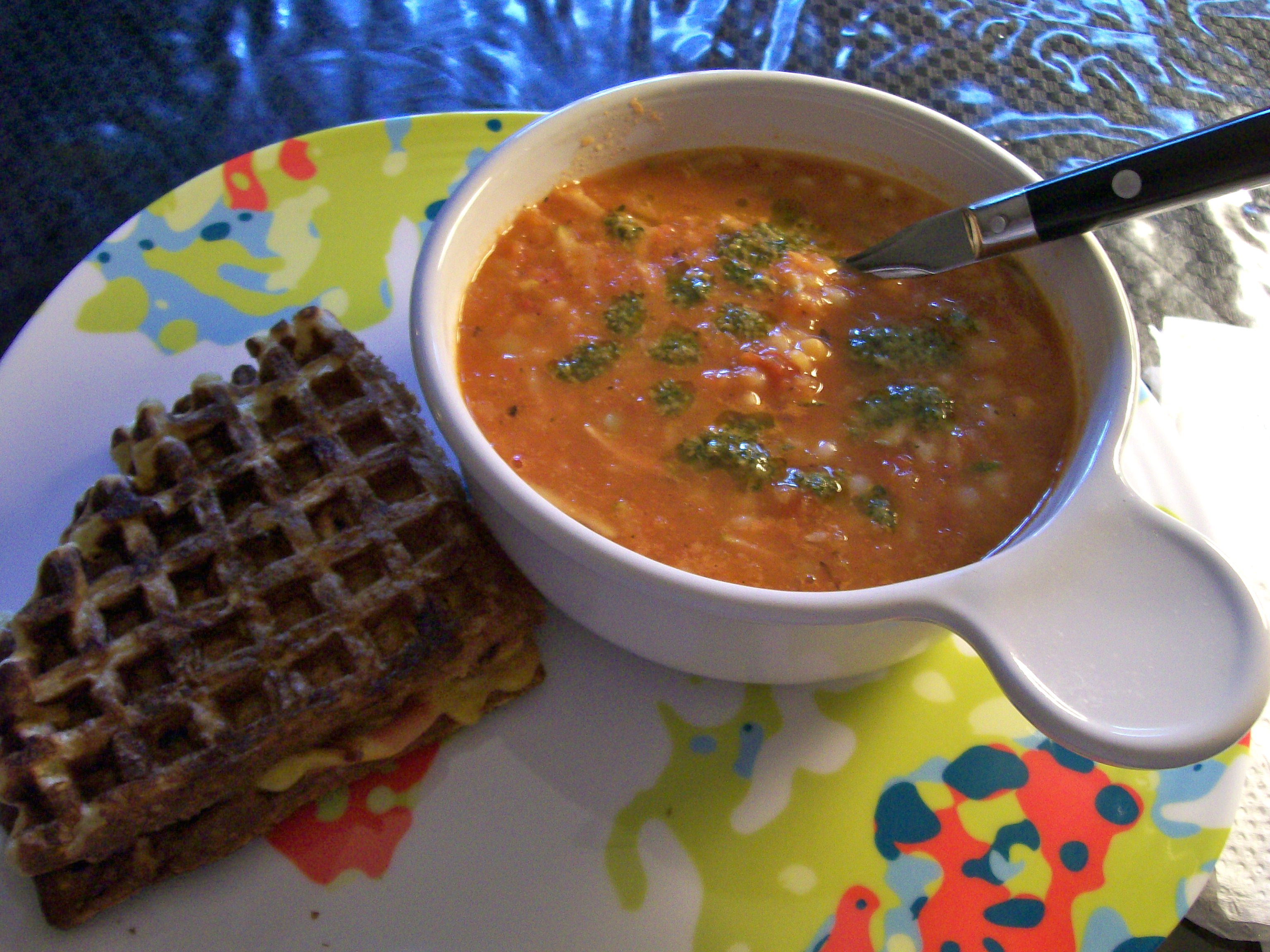
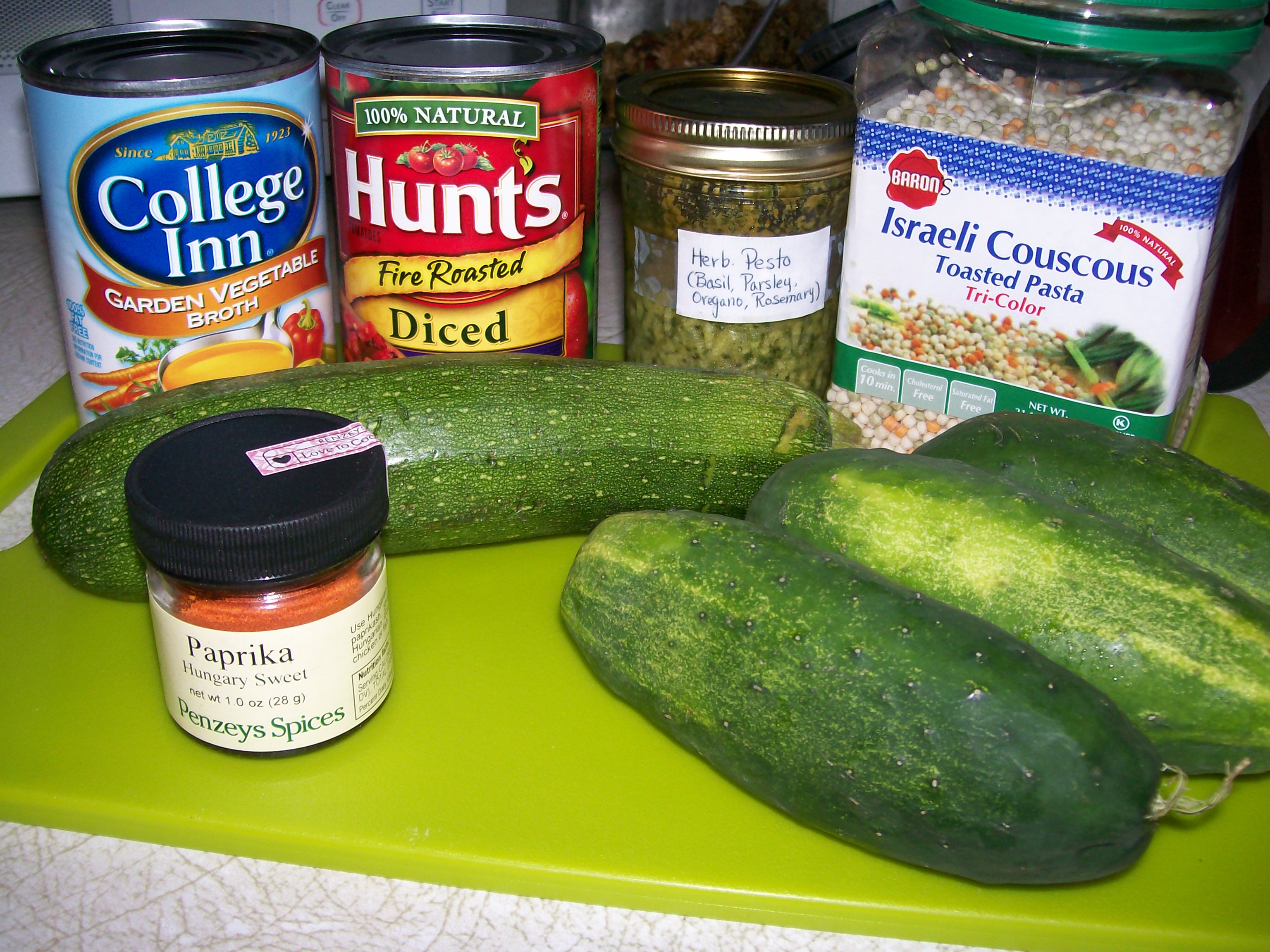
Using some of that bounty I put together this soup that bears some resemblance to Minestrone, except there are no beans, and instead of the usual ditalini I used Israeli couscous.  It is also a little like gazpacho except there are no peppers. It does contain cucumbers,  part of it gets pureed, and it can be enjoyed warm or cold.  Its a great summertime soup for a light lunch, or perhaps combined with a sandwich or salad for a light supper.  I’m not sure what to call it so let’s just say  —-  Summertime  Vegetable Soup.

INGREDIENTS

Serves 4

  • 1/2 cup Israeli couscous
  • 2 Tablespoons olive oil
  • 1 pound Kirby cucumbers (3 med.size), peeled and sliced
  • 1 medium onion, chopped
  • one 15 oz. can fire-roasted tomatoes, diced
  • 1 1/2 teaspoons paprika
  • 2 cups vegetable broth
  • 1 medium zucchini
  • 1 small jar basil or mixed herbs pesto

DIRECTIONS

  1. In a pot of boiling salted water, cook the couscous until al dente, 8-10 minutes.  Drain and rinse with cold water.

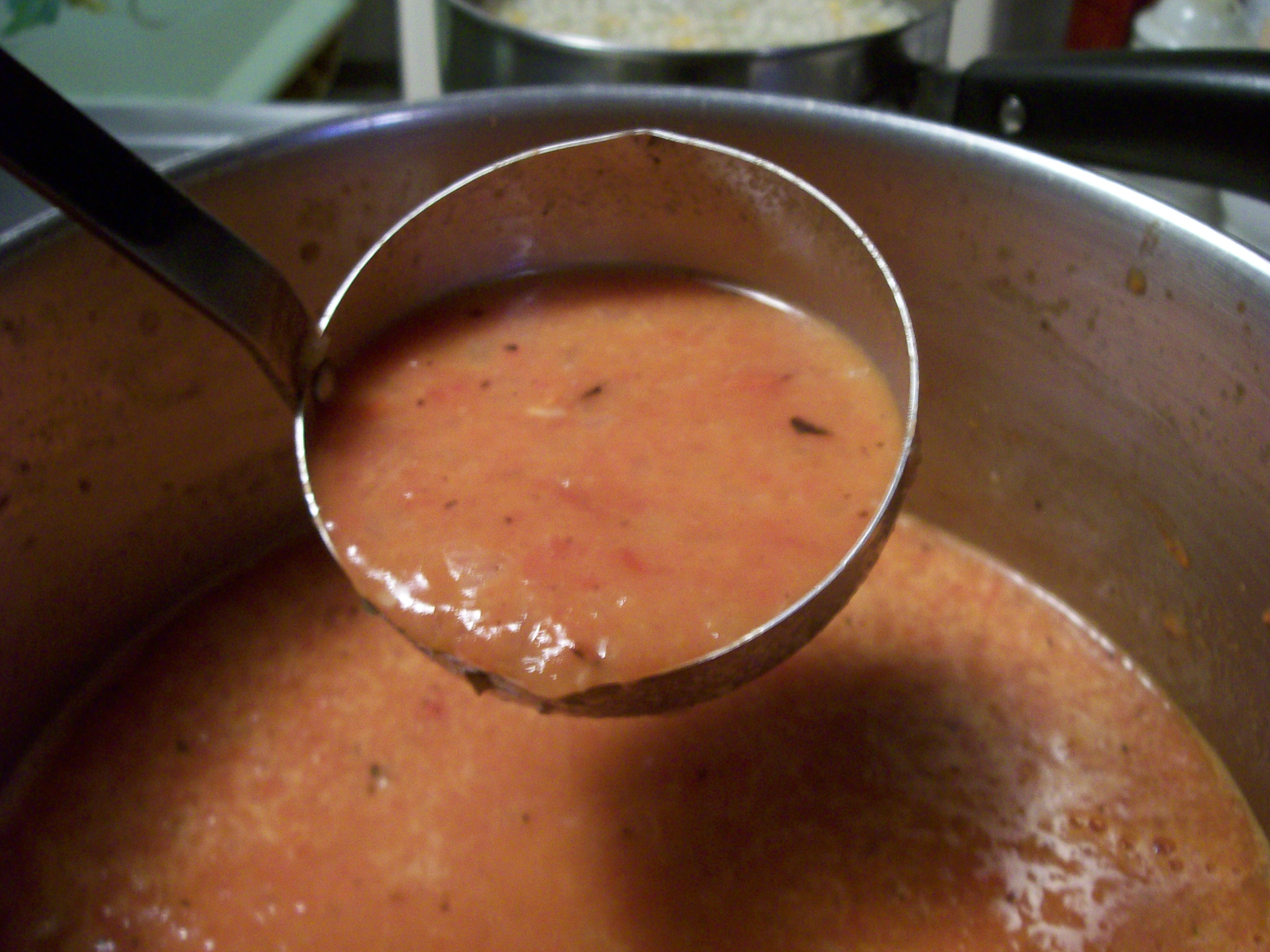
2.  Meanwhile, in a large saucepan, heat 2 tablespoons olive oil over high heat.  Add the cucumbers and cook stirring occasionally.  As they soften and become translucent, add the chopped onion and continue cooking another 4-5 minutes.  Don’t let them become too browned.  Stir in the tomatoes, paprika and vegetable broth.

3.  Using an immersion blender,  regular blender or food processor,  puree this mixture.  You may need to work in batches.  Return to the pot and stir in the couscous and shredded zucchini.  For cold soup refrigerate at this point.

4.  To serve warm, return the soup mixture to the stove and reheat, so the new added ingredients become warmed through.

5.  Serve the soup drizzled with the herb pesto.****


P.S.  This soup tasted even better the next day after flavors had time to meld.


****Stay tuned this week for my recipes on making your own pesto(s).

Source:  a Carolyn Original

Artichoke, Spinach, and White Bean Dip

A neighborhood block party for the Fourth of July.  Everyone brings a pot-luck dish to share. Friends getting together, talking, playing games, kids running around, riding bikes, playing in the sprinkler.  A very typical July 4th celebration.  That’s what we did and perhaps many of you  did the same.  I hope your day was relaxing and enjoyable.

This post is about the appetizer I brought to share.  It got rave reviews, disappeared very quickly, and was very easy to make.  I served it with a variety of crackers, and toasted pita chips for dipping.  I’ve had this kind of dip on previous occasions, and though I like it very much I limit myself to just a few tastes because I know it is usually high in fat and calories.  This version, however, cuts the calories way back, by reducing the amount of cheese(es) in it, and including white beans processed with the base ingredients to give thickness without fat.

So in this version you have the sharpness of Romano cheese, the tang of lemon juice, and the bite of red pepper, incorporated into a base made smooth by mayonnaise (the only fat) and pureed white beans.  To me this is the real star of the show, although the spinach and artichokes get all the attention.   This is when I say,  Oh, Yeah!  Bring it on!    You’ll be happy to know that a 1/4 cup serving contains only 87 calories,  4.9 g.carb, and 5.4 g. fat.

ARTICHOKE, SPINACH, AND WHITE BEAN DIP

YIELD:  about 3 cups;  serves 12 or more

Ingredients

  • 1/4 cup ( 1 ounce) grated pecorino Romano cheese  (purchased already grated at the grocery store.)
  • 1/4 cup canola mayonnaise
  • 1 teaspoon fresh lemon juice
  • 1/4  teaspoon salt
  • 1/4  teaspoon black pepper
  • 1/8 teaspoon ground red pepper
  • 2 garlic cloves, minced
  • 1  (15 oz.) can white beans, rinsed and drained
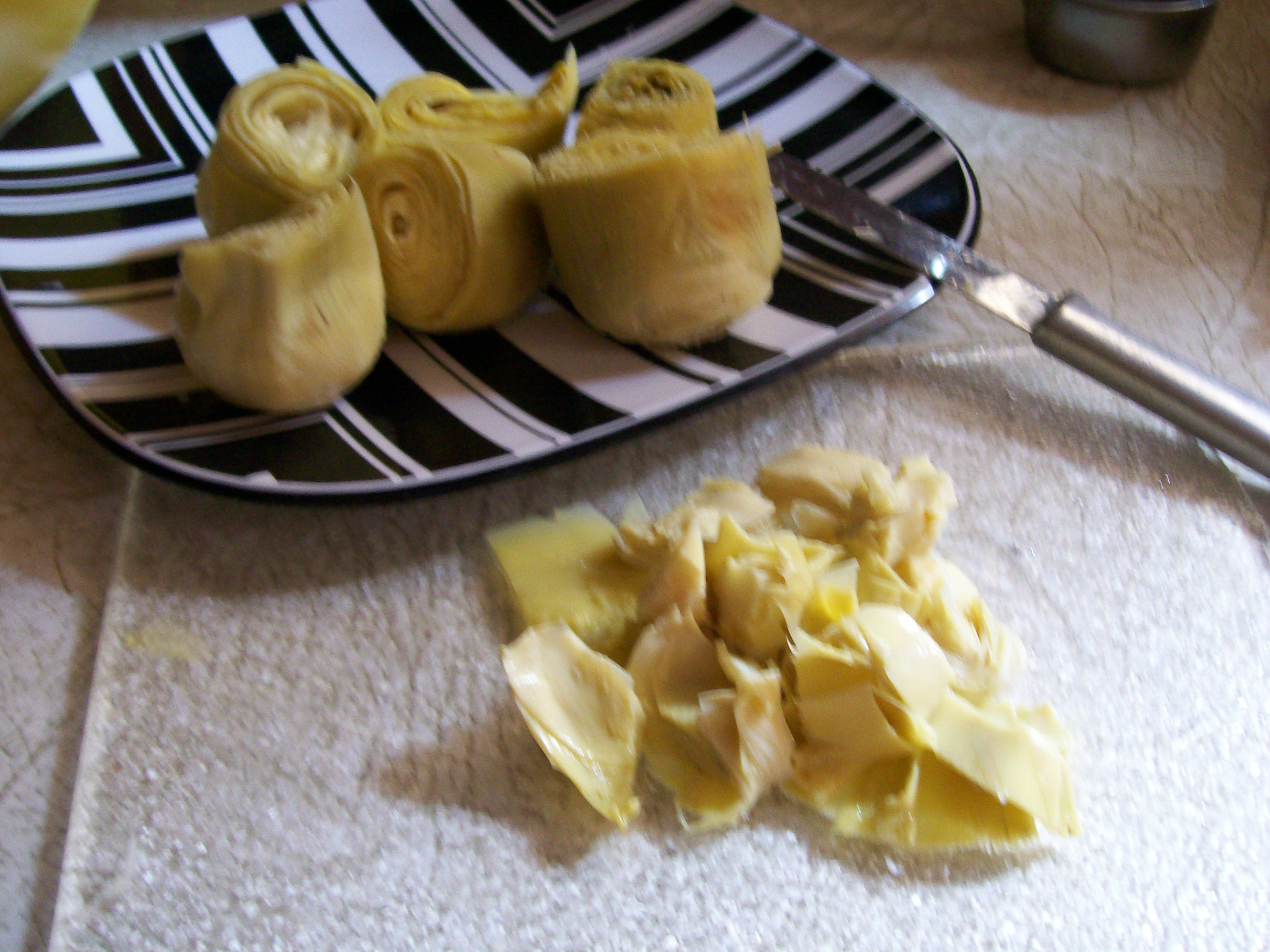
  • 1  (14 oz.) can artichoke hearts, drained.  Quarter and chop them.
  • 1 (9 0z. ) package frozen chopped spinach, thawed, drained, and squeezed dry.
  • cooking spray
  • 1/2 cup shredded part-skim mozzarella cheese

Directions

  1. Preheat oven to 350 degrees.  Spray a 1-quart baking dish with cooking spray.
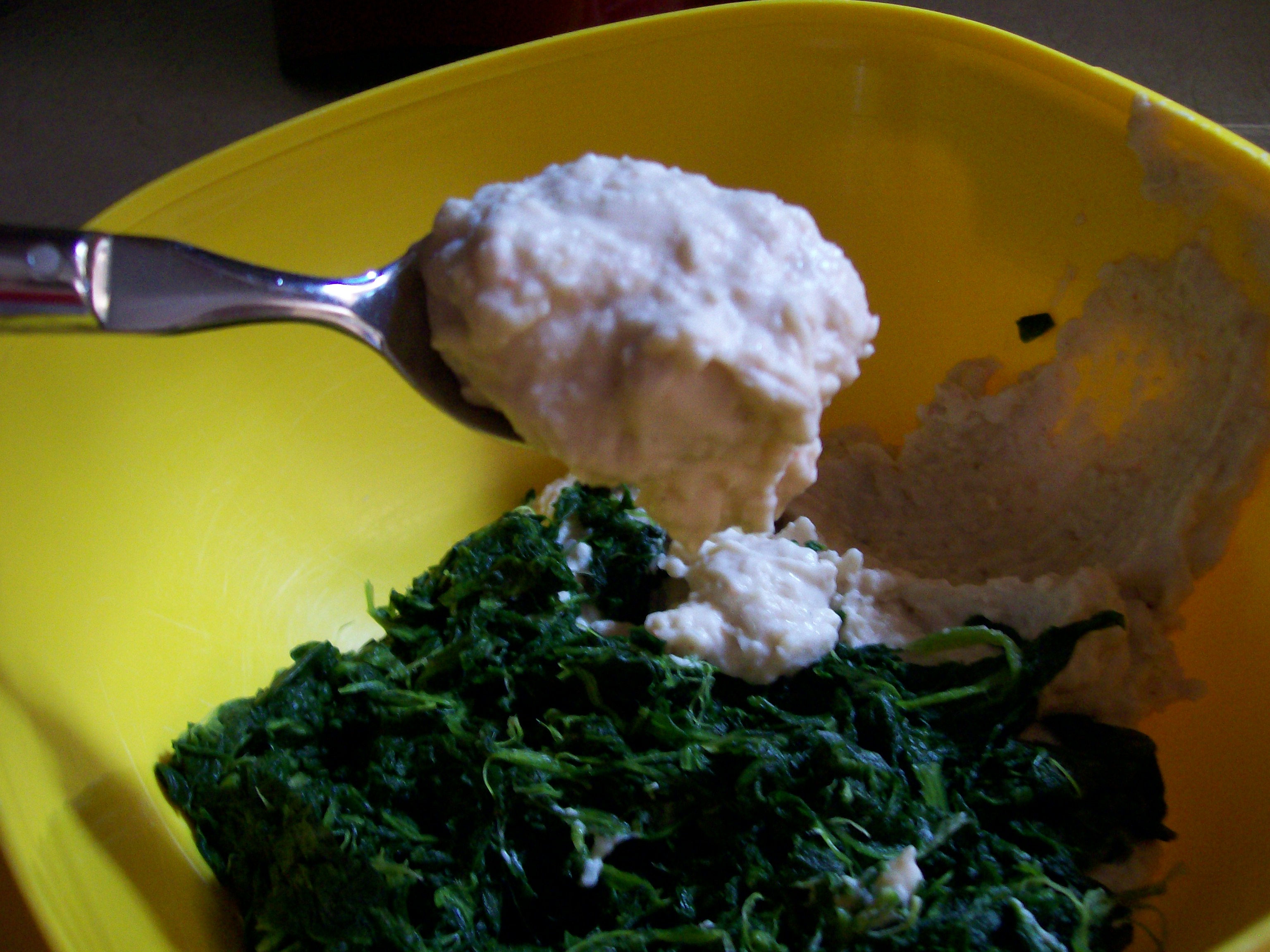
  2. Place Romano cheese, mayonnaise, lemon juice, salt, black pepper, red pepper, minced garlic, and white beans in a food processor, and process until smooth.  Spoon into a medium bowl.  Stir in the artichokes and spinach.  Spoon the mixture into the prepared baking dish.  Sprinkle with the mozzarella cheese.
    Bake at 350 degrees for 20 minutes or until bubbly and brown.  Serve warm with crackers or chips for dipping.

SOURCE:  Cooking Light Magazine

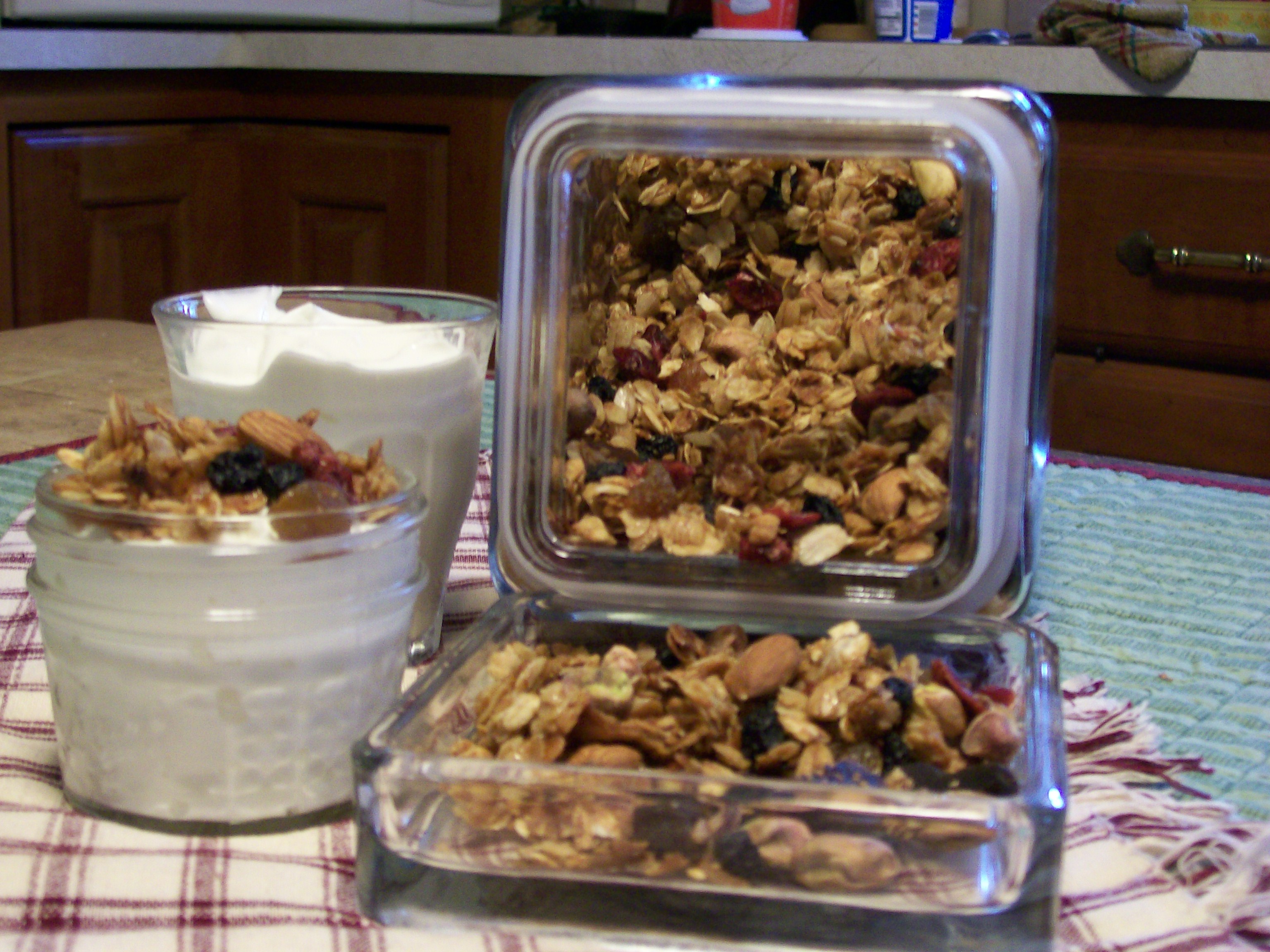
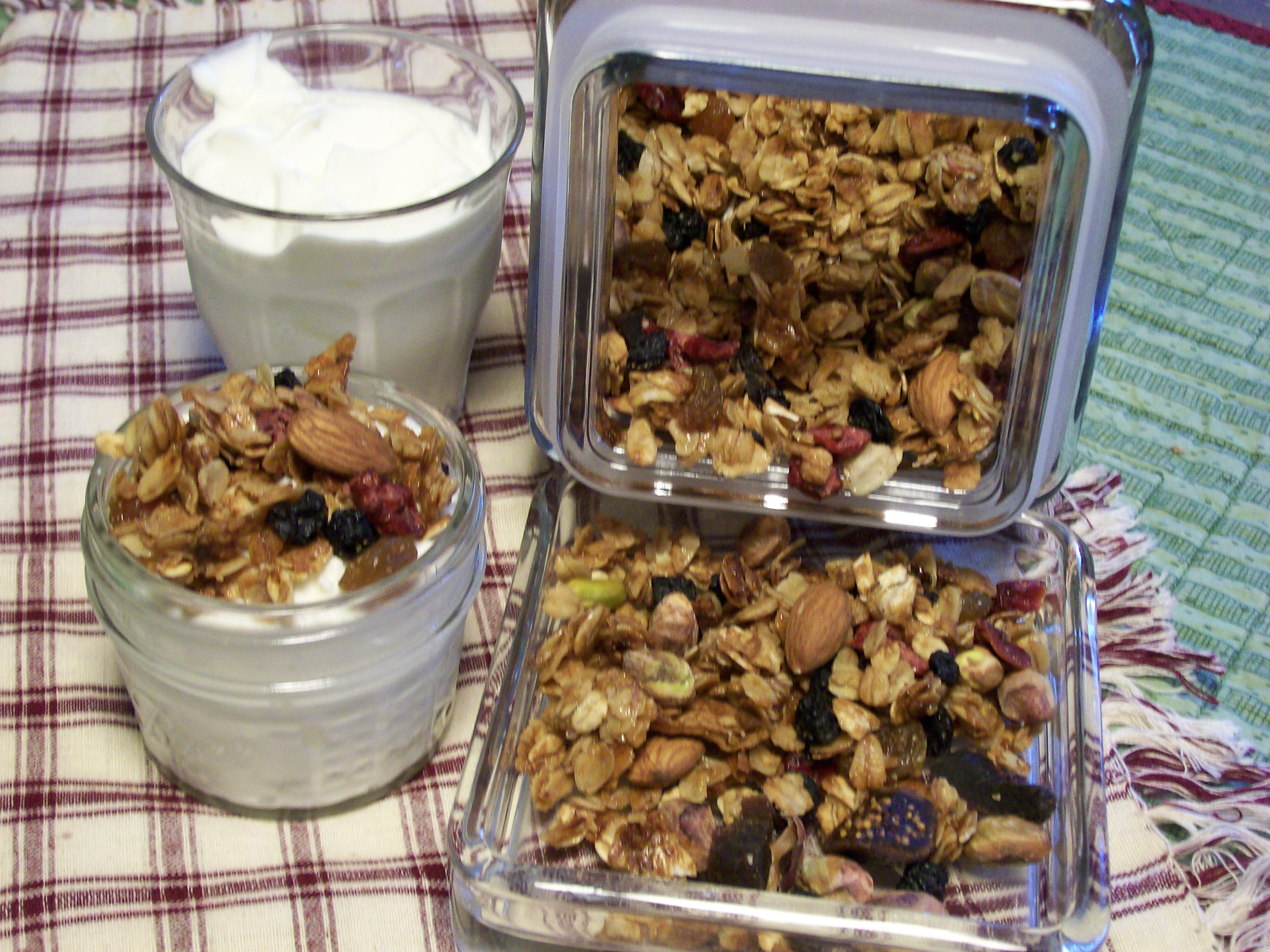
Grab ‘N Go: Granola and Yogurt

Over the course of the last few years I’ve been moving away from buying ready made foods like cereals, soups, sauces, etc. and making more and more of these items myself.  My reasons are  threefold;  environmental:  less packaging to dispose of;  health:  I can eliminate all those unpronounceable ingredients, and have better control over what we are eating; and emotional:  I feel really good knowing I can make it as good or better than what’s in a package.  Granola is one of those packaged items that I have ceased buying and now make at home.

Granola is very versatile.  It can be added to foods, as in a crumbly topping on a fruit cobbler, put on foods to add crunch, like over fruits, or ice-cream, or eaten out-of-hand as a snack.  So with that said, I have been making homemade granola and  spreading it around  rather liberally.  My lunches consist, for the most part, of fruit smoothies, or yogurt with granola on top; and for my husband, I send him off to work with a nutritious salad for lunch, and a bag of granola for a mid-afternoon snack.  Each time I make it I vary the fruits and nuts I put in it, so it does not become boring.

For anyone who needs a quick “grab and go” breakfast, or who brings lunch to work, yogurt and granola is a delicious, good-for-you duo.  I like Greek style yogurt because it’s thicker than regular styles, and because it packs almost twice the protein, so you’re not as likely to get the mid-morning munchies.  You can also stretch your budget by purchasing the large size yogurt and putting it into smaller 8 0z. containers.  Likewise package your granola in baggies, so when you’re ready to leave the house, just grab one of each and  you will be on your way with a breakfast or lunch that is economical, delicious, and good for you.

Trail Mix Granola

Makes about 5 cups

  • 3 cups old-fashioned oats


    Have all your ingredients ready before starting to assemble.

  • 1/4 cup canola oil
  • 1/4 cup honey
  • 1/4 cup brown sugar
  • 1 teaspoon vanilla extract
  • 1/4 teaspoon cinnamon
  • 1/2 teaspoon salt
  • 2 cups add-ins, like dried cranberries, cherries, apricots, figs, raisins; coconut, nuts such as almonds, pistachios, walnuts.

1.  Preheat oven to 325 degrees.  Line a large rimmed baking sheet with parchment paper.

2.  Whisk together oil, honey, brown sugar, vanilla, cinnamon and salt in a glass measuring cup.  Heat briefly in microwave ( 1 minute at 50% power) to blend  and melt any sugar lumps.  Stir well,  then pour over oats in a  large bowl and toss to coat.

3.  Spread mixture on prepared baking sheet.  Bake for 20 minutes or until golden brown, stirring every 5 minutes.

4.   Let cool slightly, then transfer back into large bowl and stir in add-ins.  Let cool completely before packaging, or store in air-tight container for up to 2 weeks.

SOURCE:  Quick Vegetarian Pleasures

Poached Eggs on Polenta with Vegetable Sauce

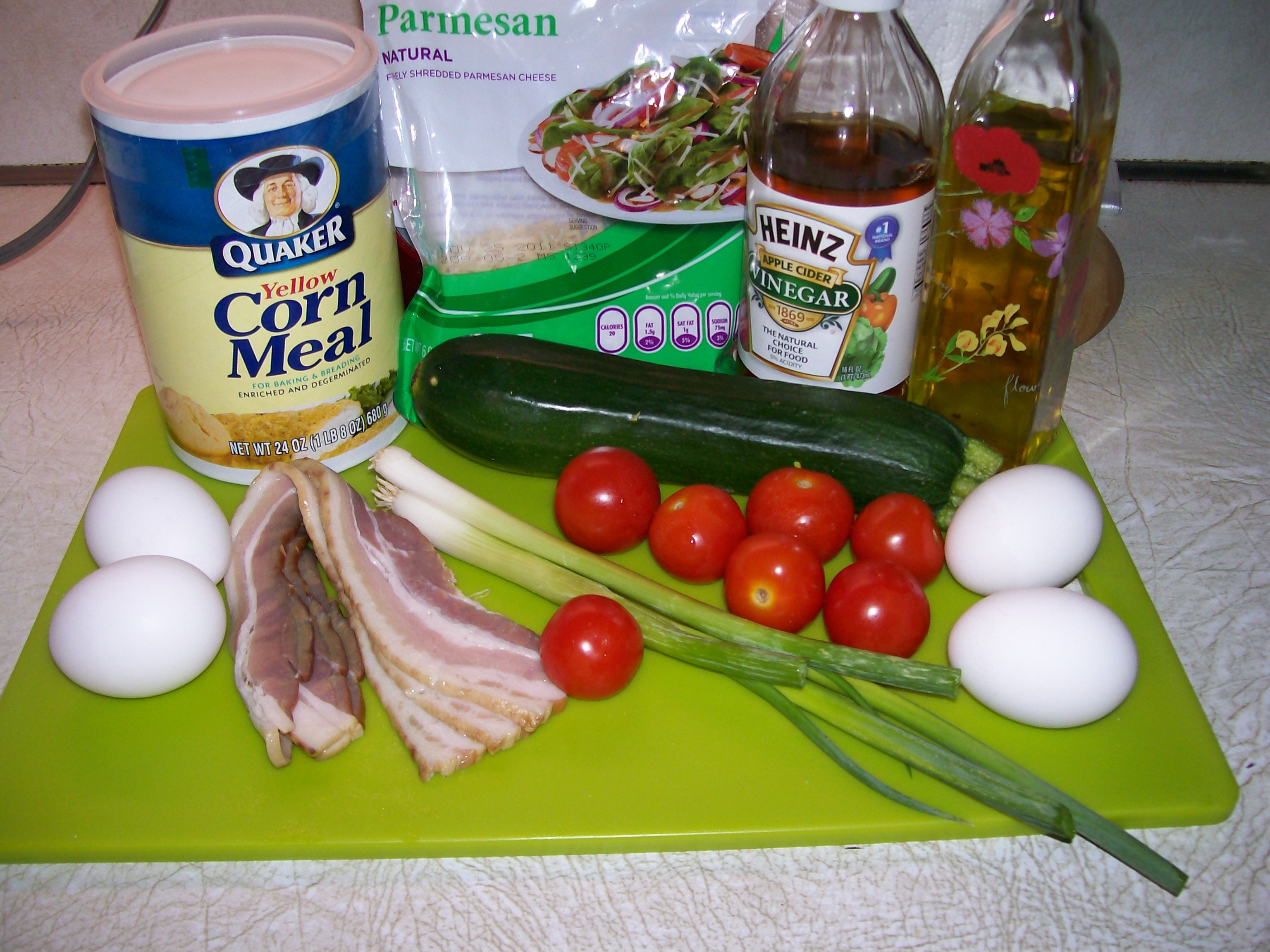
This is a neat little recipe to have handy for when any of these situations might occur:  a)  You forgot to take something out of the freezer for supper, b) You thought you were having dinner alone so you were going to just make a salad, but suddenly everyone’s plans changed and they will all be home for dinner, or c) Its the end of the week and the cupboard is bare, except for a few bits of leftovers.  Fear not!  This recipe will come to your rescue as long as you have a few basics in your pantry.

Poached Eggs on Polenta with Vegetable Sauce

Serves 4

  • 2 cups reduced sodium chicken broth (or vegetable broth)
  • 1/2 cup yellow cornmeal or instant polenta
  • 3 Tablespoons grated Parmesan cheese, plus more for garnish
  • 1 1/2 teaspoons butter, plus extra for greasing dishes
  • 1/4 cup milk
  • salt
  • 4-5 slices bacon cut into 1 inch pieces (can be omitted for a vegetarian entree)
  • 2/3 cup grape tomatoes (about 16) halved lengthwise
  • 1 cup chopped zucchini
  • 1/3 cup green onions, chopped
  • 4 large eggs
  • freshly ground pepper
  • chopped chives, optional
  1. Generously butter 4 gratin dishes or creme brûlée  dishes, about 4-5 inches in diameter.  Any similar dish will do.
  2. For polenta, place chicken broth in a  medium size, heavy saucepan over high heat and bring to a boil.  Reduce heat to medium, and gradually in a thin stream whisk in the cornmeal.  Stir constantly, until mixture starts to thicken, 3-4 minutes.  Add 3 tablespoons of Parmesan cheese and butter, and stir until melted.  Stir in milk.  Taste and add salt if needed.
  3. Divide polenta evenly among the dishes and smooth the top.  Cover each dish with foil to keep warm and set aside.  I place in a 200 degree oven to achieve this.
  4. For vegetable sauce, heat a skillet on high heat and cook the bacon until crisp.  Remove from pan and drain on paper towels. Drain excess bacon fat and discard, leaving a small amount in the pan. (substitute vegetable oil as needed)  Add the tomatoes, zucchini and green onions to the bacon drippings and sauté just until crisp tender. Add the bacon to the vegetable mixture.
  5. For the eggs,  use an egg poacher if you have one, otherwise prepare poached eggs as you normally would.
  6. To serve,  Place a poached egg on top of each dish of polenta. Salt and pepper eggs, then divide the vegetable and bacon mixture evenly among the 4 dishes.  Garnish with more grated Parmesan cheese and chives.

Additional notes:  I have prepared the sauce for this dish with whatever vegetables I have on hand.  Some others that are good are:  mixed red and green peppers, asparagus, spinach and fennel.

SOURCE:  A Carolyn Original

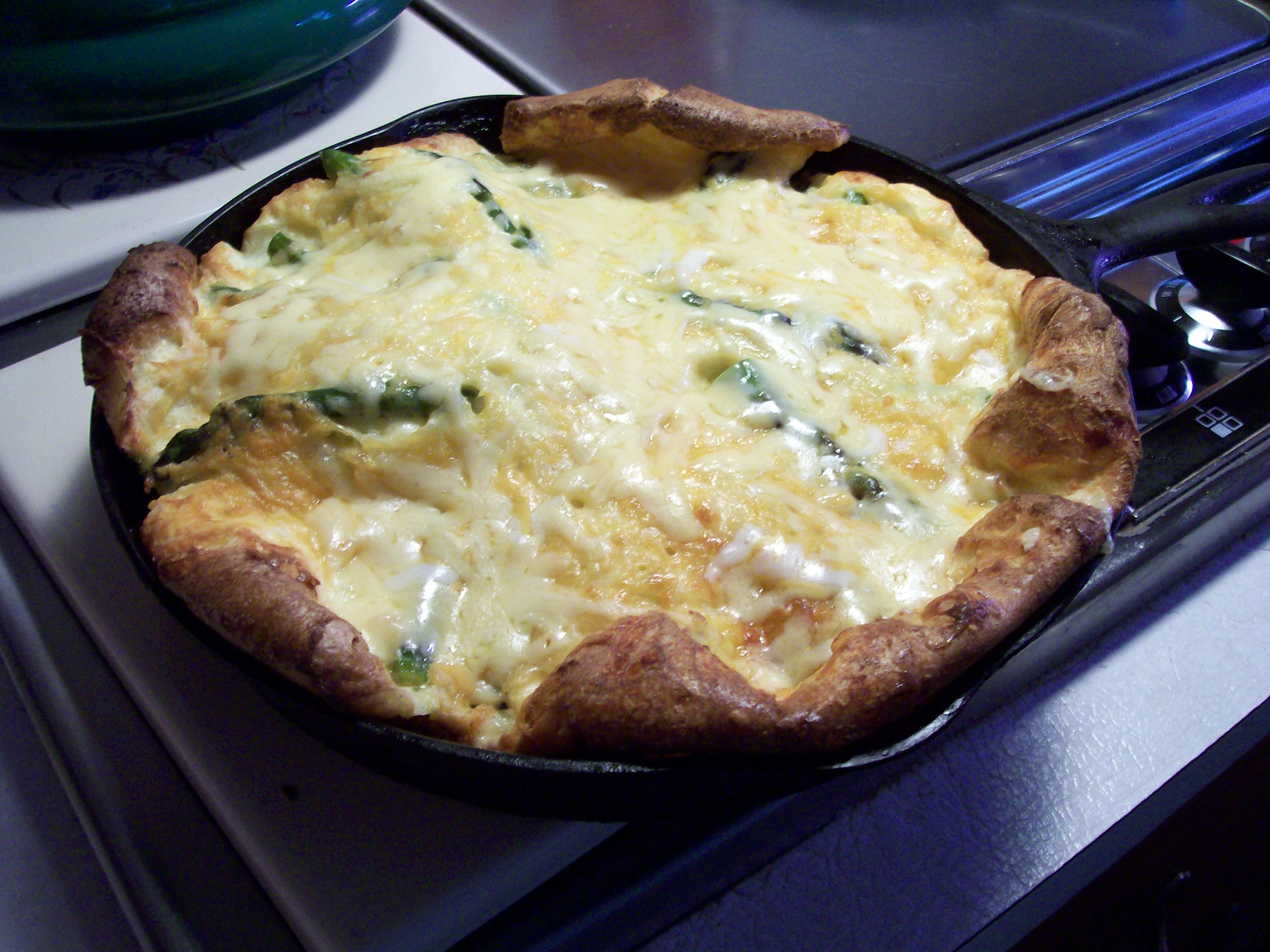
Asparagus Popover

One of the things I love about living where I do, is the abundance of farm stands selling freshly grown native fruits and vegetables.  Most of them open around the beginning of May, taking advantage of the earliest vegetables like asparagus, lettuces, radishes, and rhubarb.  Once the markets open, I’m there weekly -often more so- and I plan my meals around what’s available and fresh.

Ever since I was a little girl, I have loved the combination of asparagus and eggs.  My mother frequently served crisp-tender asparagus with scrambled or poached eggs, and home fries along side as a quick supper. SWOON! I still love it today, but I also like to mix things up a little bit and try new combinations.

My thought process in creating this dish went something like this:  Asparagus is very good in quiche, yes? and quiche is basically an egg and milk batter very much like popovers,right?   So how would it be to make a giant popover with asparagus in it?  I didn’t have to twist my own arm to give it a try—-and here is the result.  My husband and I enjoyed it with crisp smoked bacon along side, and toasted English muffins with orange marmalade.

P.S.  My husband says I spoil him.  He’s  right, I do!

Ingredients

  • 1/2 pound asparagus, washed, and tough ends removed
  • 2 tablespoons butter
  • 1/2 cup milk
  • 3 large eggs, at room temperature
  • 1/2 cup  flour
  • salt and pepper
  • pinch sugar
  • 1 cup grated cheese (your choice)
  1. Preheat oven to 425 degrees.  In a saucepan heat enough salted water to reach a depth of 1 inch.  Bring to a boil.  Add the asparagus and cook until crisp tender, about 3 minutes..  Drain, rinse with cold water, then pat dry with paper towels.  Cut the spears into thirds.
  2. In a medium cast-iron skillet, (or other dish that can withstand hot oven temperature)  add the butter, and place in the oven to melt the butter.
  3. In a medium bowl, microwave the milk on high for 30 seconds.  Whisk in the eggs, then the flour, 1/2 teaspoon salt, 1/4 teaspoon pepper, pinch of sugar.
  4. Position the asparagus pieces in the hot skillet, and gently pour the batter on top.  Sprinkle with half of the cheese and bake until puffed and golden-brown, 18-20 minutes.  Top with remaining cheese and return to oven to melt the cheese. 
  5. Remove from oven and serve immediately, since popovers tend to deflate quickly, and this one is so pretty.
Serves 4
Source:  a Carolyn Original

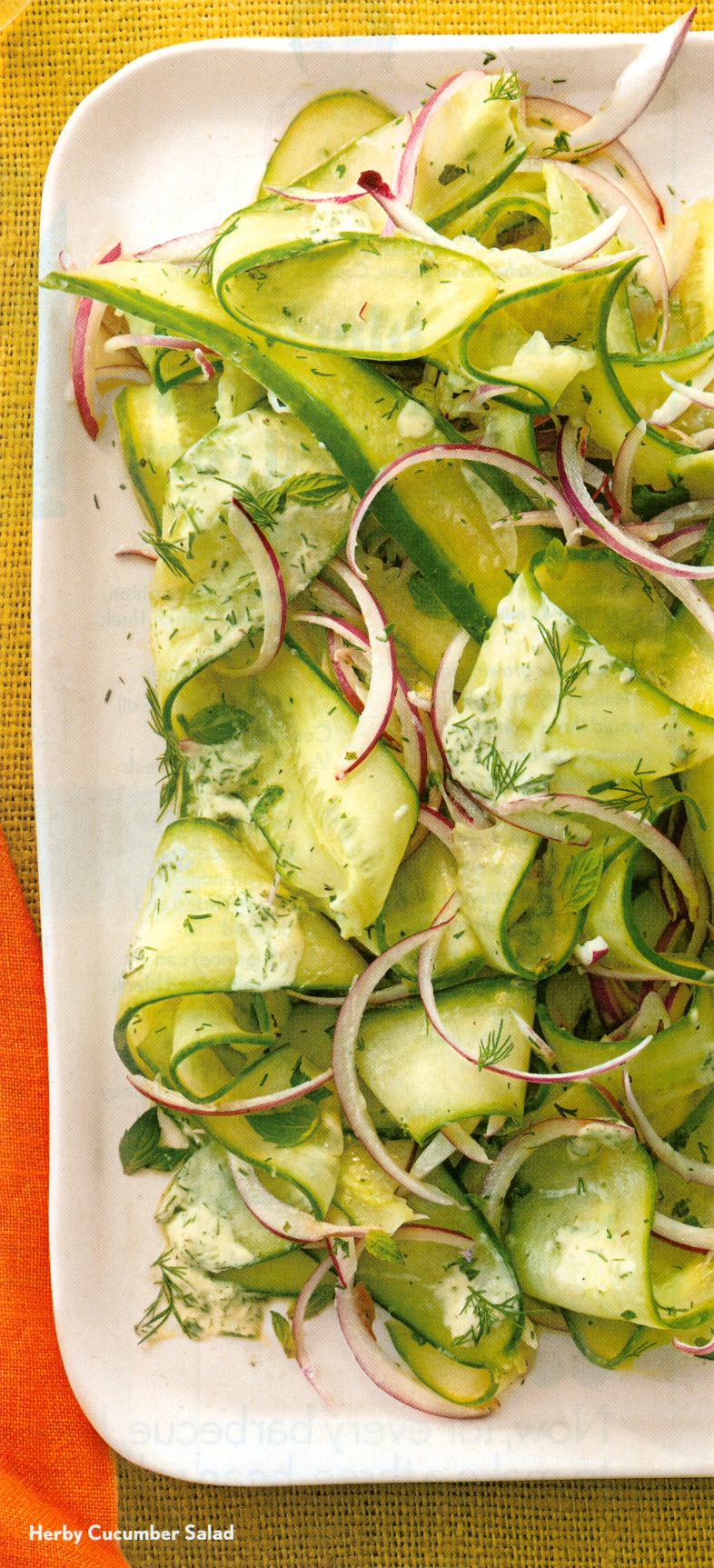
Herby Cucumber Salad

  We enjoyed the company and friendship of some  close friends at a picnic/cookout over the weekend.  After the parade we all gathered in the backyard of one family, and everyone contributed a side dish or dessert.  And  of course, the men were in charge of the grill and its designated foods.

Salads of all kinds are usually welcome, and easy to transport,  so this salad was my contribution. It is cool,  creamy and tangy, and comes together in a flash.  Make the dressing in advance, and carry to the picnic in a separate container.  Toss it with the cucumbers and onions just before serving, otherwise the cucumbers will release too much water.  This salad got rave reviews, so I thought I would share it with you.

  • Ingredients
  • 1/4 cup low-fat greek yogurt
  • 2 tablespoons chopped fresh dill, or 1 teaspoon dried dill
  • 1 tablespoon coarsely chopped parsley
  • 2 tablespoons fresh lemon juice
  • 1 tablespoon extra virgin olive oil
  • 1 1/2 teaspoons coarsely chopped fresh mint
  • 2 teaspoons  Dijon mustard
  • 1/4 teaspoon sugar
  • 1/4 teaspoon salt
  • 1/4 teaspoon pepper
  • 1 clove garlic
  • 5 1/2 cups thinly sliced cucumber (about 2 large)
  • 2 1/2 cups thinly sliced red onion
  1. Combine all ingredients except  cucumber and onion, in a food processor or a blender, and process until well blended.
  2. Place sliced cucumbers and onions in a large bowl, drizzle with the dressing mixture , and toss to coat.
Serves 6-8.
Source:  Cooking Light Magazine

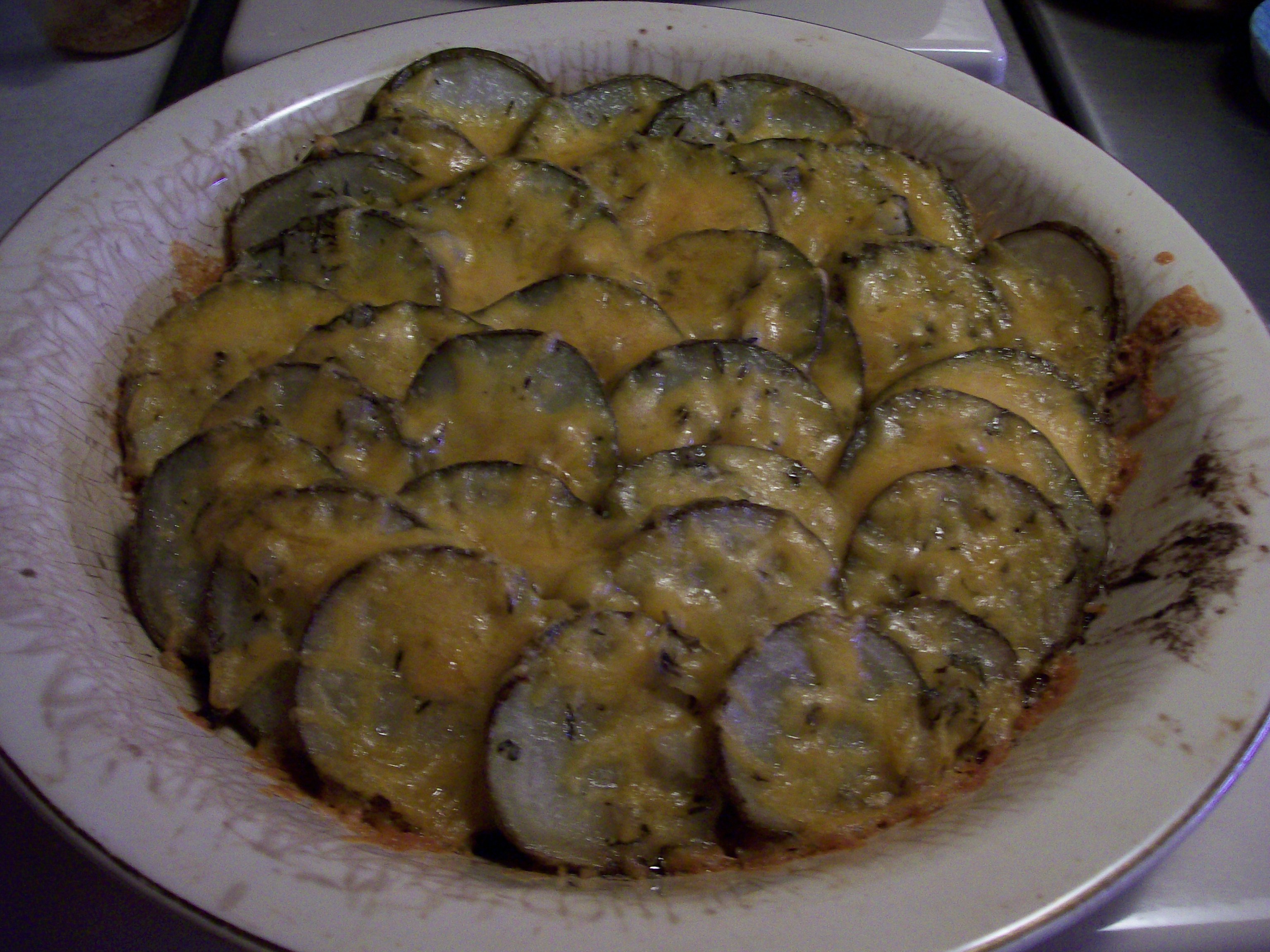
Cheesy Potato Bake

This is a side dish which I serve often.  It seems to go with many different entrees, and if your oven is on to cook meatloaf, chicken, chops, or whatever else, then these potatoes can cook along side the main dish.  Everyone I have ever served this dish to, has loved it.  Those folks with hearty appetites will find this very satisfying, indeed.

CHEESY POTATO BAKE             

Preheat oven to 425 degrees

  • 4 large baking potatoes, unpeeled
  • 1/4 cup butter
  • 2 green onions, sliced; use both white and green parts
  • 1 teaspoon salt
  • 1/2 teaspoon dried thyme
  • 1/8 teaspoon pepper
  • 1 cup shredded cheddar cheese
  • 1 tablespoon chopped fresh parsley
  1. Wash and slice the potatoes.  Arrange in a greased shallow 2-quart baking dish.
  2. In microwave heat butter, green onion, salt, thyme and pepper until butter is melted.  Drizzle over potatoes.
  3. Cover with foil and bake at 425 degrees for 45 minutes or until tender.
  4. Remove foil, sprinkle with cheese and parsley.  Bake, uncovered, another few minutes  until cheese is melted.
Yield:  4-6 servings
Source:  Taste of Home

Marinara Sauce

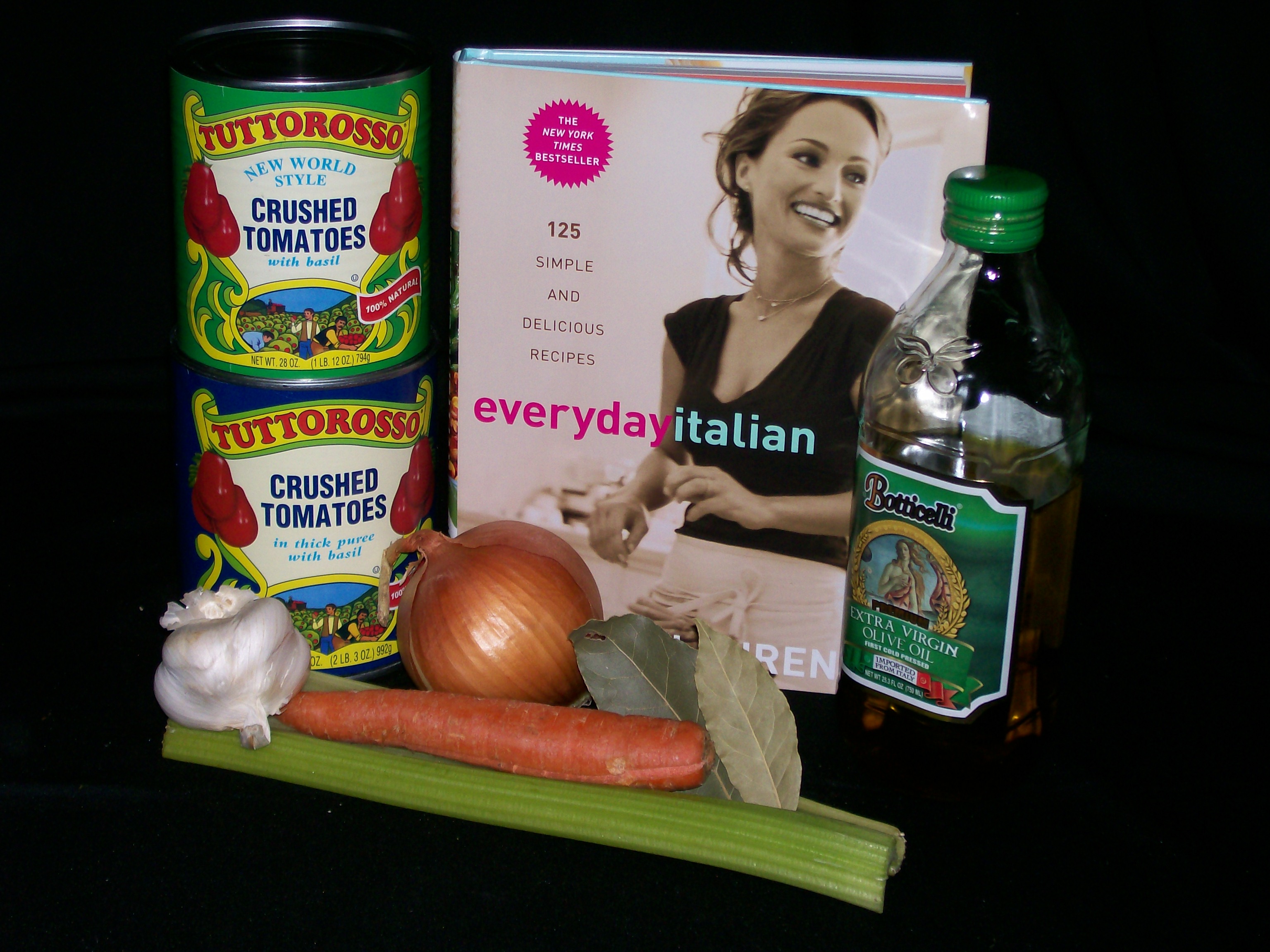
One of the things I like to have on hand at all times is Marinara Sauce.  This is the basic tomato sauce that I use the most.  This got me to thinking that from time to time I would write about foods that I consider “kitchen basics”, and this is one of them.  It is extremely easy to make,  and so worthwhile because it is so versatile.  During the time the sauce is simmering you can be doing something else.  This is a nice thick sauce that is great with any pasta shape. If you think it needs to be thinned down a little for a particular recipe you can add a little white wine to it.  It can also handle the addition of meatballs or sausage, and you can certainly add additional seasonings to your taste.

This recipe makes about 2 quarts (8cups);  3-4 cups will serve 4 over pasta.

MARINARA SAUCE

  • 1/3 cup extra virgin olive oil  (note;  use a good quality EVOO, one with a fruity flavor, because this enhances the sauce.)
  • 2 small onions, chopped
  • 2 garlic gloves, finely chopped
  • 2 celery stalks, finely chopped
  • 2 carrots, peeled and grated
  • 1/2 teaspoon sea salt, plus more to taste
  • 1/2 teaspoon freshly ground black pepper, plus more to taste
  • 2 ( 32-ounce) cans crushed tomatoes (note: here too, be sure to use the best canned ones you can find, preferably the San Marzano variety.)
  • 2 bay leaves
  • 1 teaspoon dried oregano (my preference)
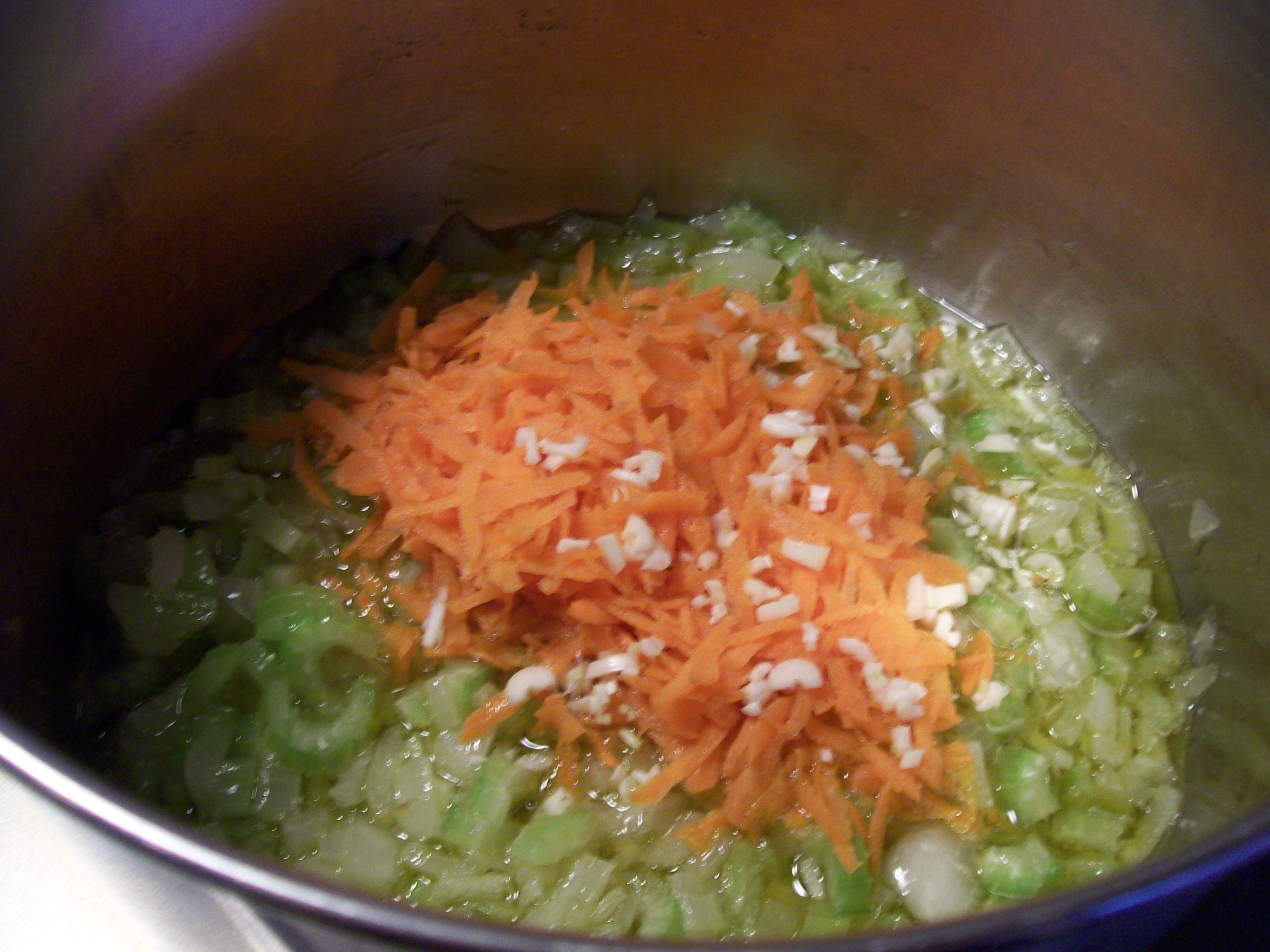
In a large sauce pan, heat the oil over medium heat.  Add the onions and garlic and sauté  until the onions are translucent, about 10 minutes.  Add the celery, carrots, and 1/2 teaspoon each of salt and pepper.  Saute until the vegetables are soft, about 10 minutes.
 Add the tomatoes, bay leaves and any other seasonings you prefer, and simmer uncovered over low heat until the sauce thickens,about an hour.  Remove bay leaves and discard.  Season the sauce with more salt and pepper to taste.
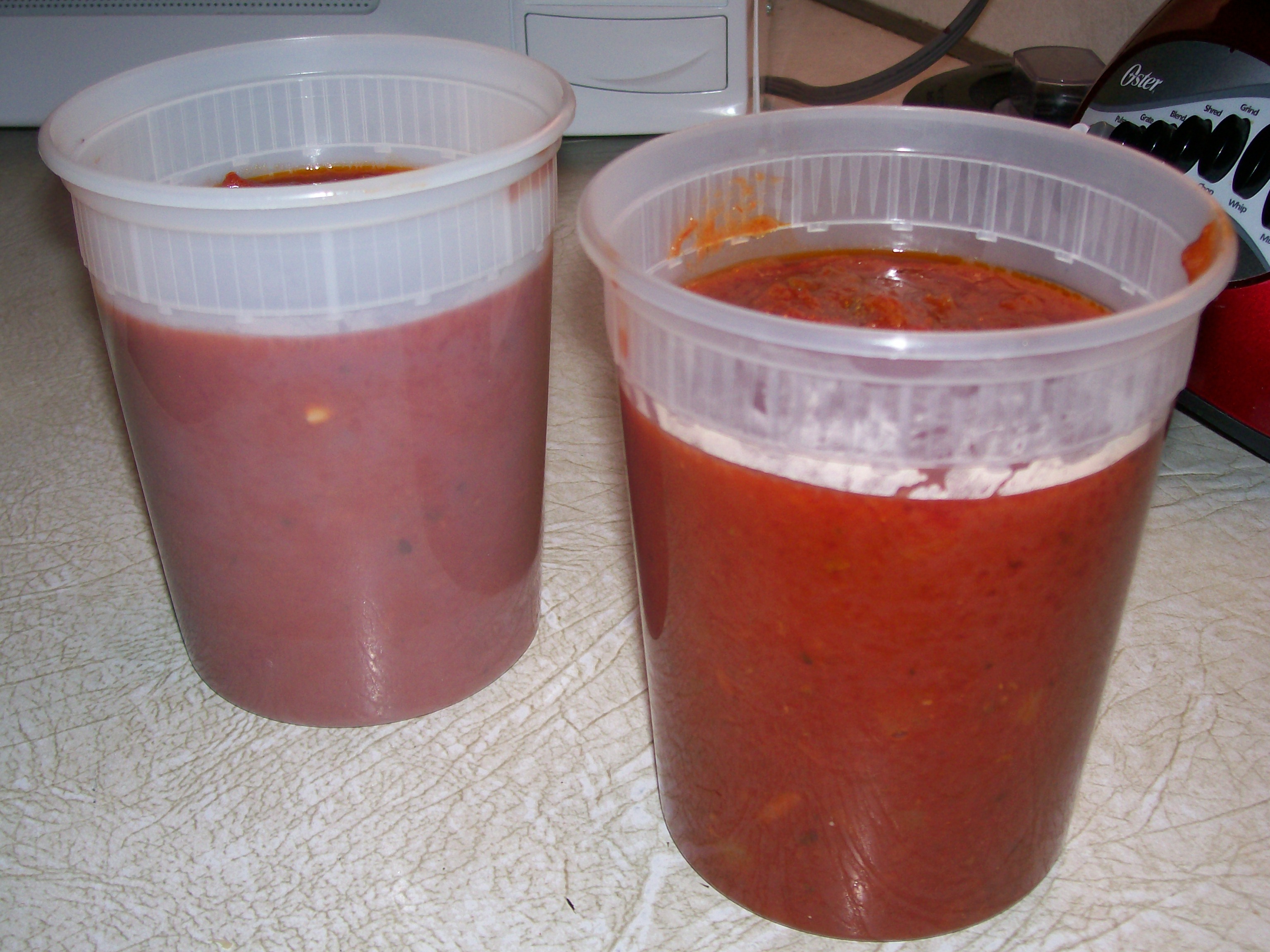
I like to double this recipe when I make it, so I can freeze the extra in 2-3 cup portions in freezer bags, or containers;  then it’s ready when I need some.
Source:  Giada De Laurentis, “Everyday Italian”,  with slight modifications.