Red Velvet “Soda Can” Cupcakes

The end of June and beginning of July has been a very busy time with parties to celebrate various milestones within our family and  with friends.  I’ve already told you about my granddaughter’s graduation party and what I baked for that.  Today’s blog is about cupcakes that I made for a friend’s 20th anniversary in professional practice; and  since it is right around the Fourth of July, I went with the Patriotic theme.

I have been reading recently in some of the blogs I follow about a quick way to make a cake or cupcakes using nothing more than a boxed cake mix and a can of soda.  Really?  That’s what I said!  So I tried it and found out they come out really moist and kind of chewy;  The texture is not as fine as a cake’s, but for a cupcake I really liked that.  The cake and soda combo I used was Red Velvet Cake Mix and Cherry Coke.  I think it will be fun to try some other flavor combinations such as lemon cake with Sierra Mist or lemon and lime soda. So many possibilities.  If you haven’t heard about this until now, try it.  It’s a novel idea whose time has come.

For the frosting on my cupcakes, I wanted white, so I made a simple cream cheese and butter cream frosting, piped on with a large star decorating tip.  Then I sprinkled them with a “stars and stripes” sprinkle mix and topped each one with a tiny flag.  So Cute!

This is all you need:  a boxed cake mix and an 8 oz can of room temperature soda.  I poured that amount from a full-size bottle, because I couldn’t find the cans.
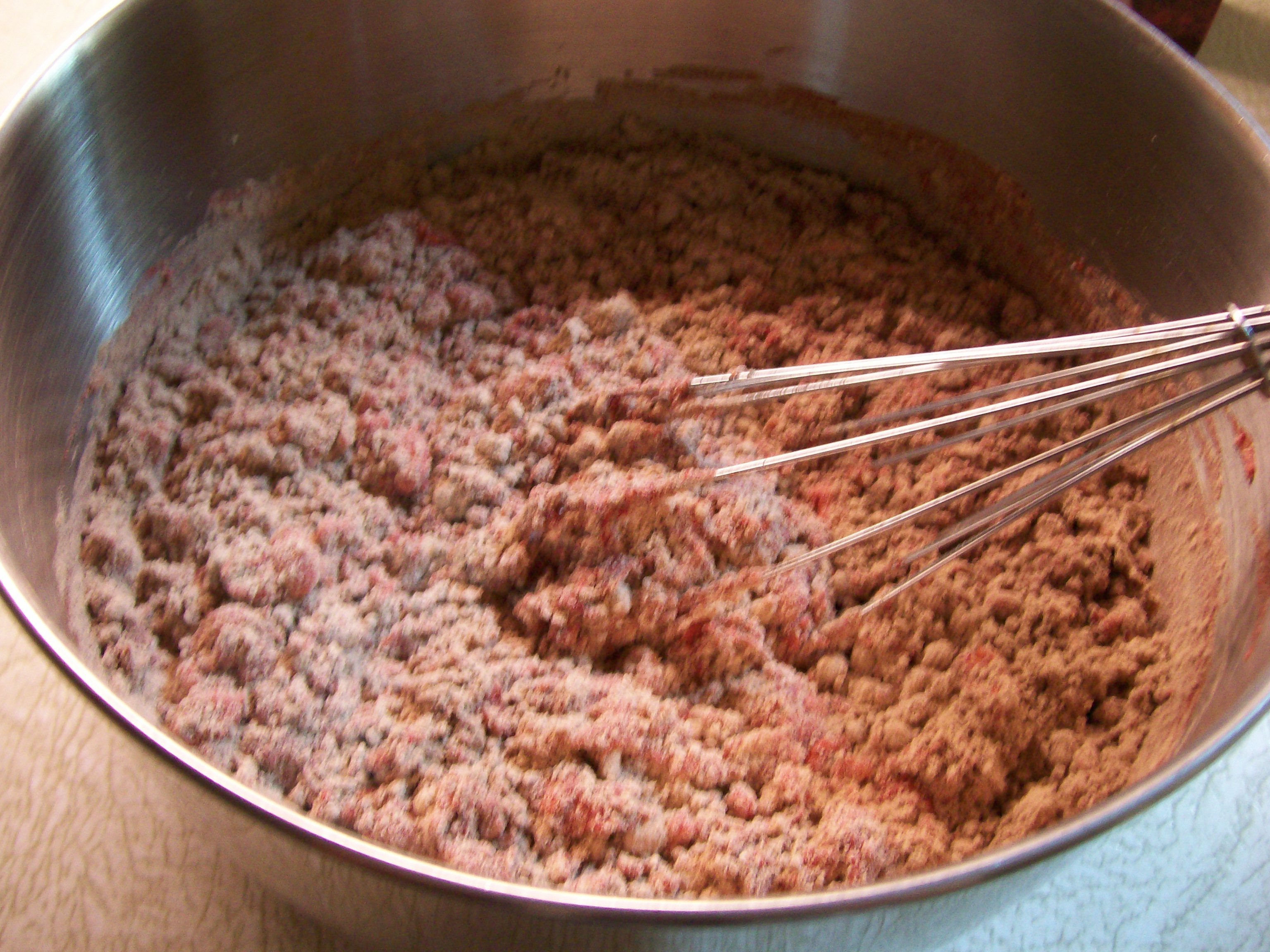
This is what it looks like when you start to mix it up.

Use a whisk to mix it up, working out most of the lumps.

Line muffin cups with liners and fill 1/2 – 2/3s full. Do not overfill.

After baking. I got a total of 17 cupcakes, could have gotten 18, by making them a tad bit smaller.

FROSTING:

4 ounces cream cheese

6 tablespoons butter

2 cup confectioners’ sugar

To make the frosting, put the cream cheese and butter in small bowl of mixer and blend together to cream.  Sift in the sugar and continue beating until smooth and creamy.  If you plan to pipe it on with a decorating tip, it needs to be quite stiff.   I refrigerated my frosting a bit after mixing just to get it stiff enough to decorate with.  Unless you are serving the cupcakes right away, it is wise to refrigerate them to prevent frosting melt in this warm weather.

Really Cute! They tasted as good as they looked.

SOURCE:  Thanks to Cookiesandcups.com

Have a happy and safe Fourth of July, everyone.

Better than Sex Cake

This cake was my other contribution to the dessert table at my granddaughter’s graduation party.  You may have seen it around, called “Better than Sex Cake”.  However, for a new high school graduate I thought it was more appropriate to name it Better Than Homework Cake.  No matter what name it gets,  I call it wonderful.  Everyone will want to know what makes it so moist and what IS that flavor I taste?

I got the recipe from all-recipes.com, where you can find many variations.  Since the graduate loves chocolate and so do I there had to be a chocolate something on that table.   S0 this is it:

BETTER THAN SEX/HOMEWORK CAKE

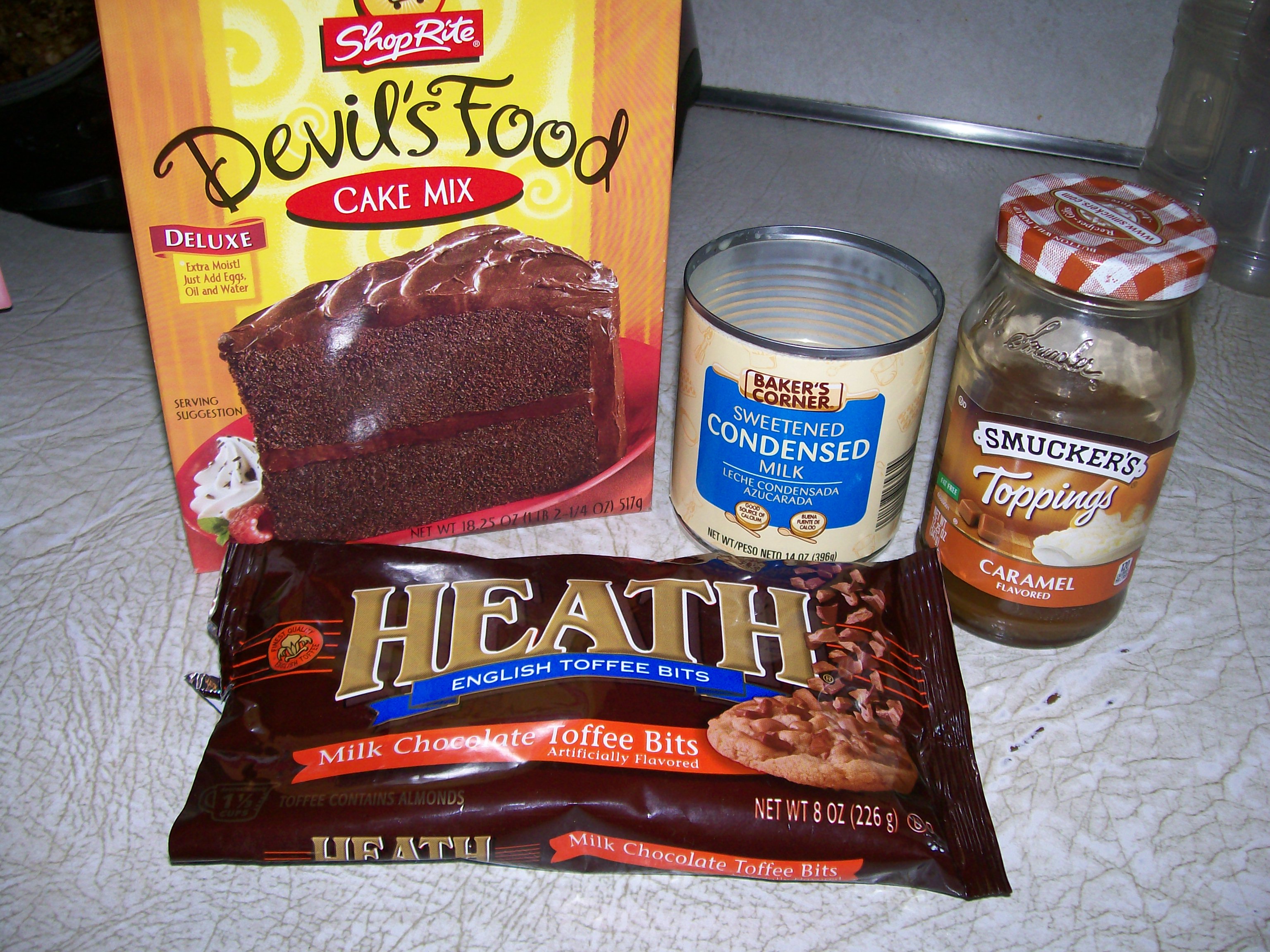
  • 1 boxed cake mix:  Devils Food
  • ingredients called for on the box:  eggs, vegetable  oil, water
  • 1/2 can condensed milk
  • 6 0z  (3/4 cup)  caramel topping
  • 1 bag chocolate-toffee chips such as Skor or Heath (or crush candy bars, if you can’t find the chips)
  • 8 0z container Cool Whip

Directions

1.  Preheat oven to 350 degrees.  Grease well a 13″ x 9″ baking pan.

2.  Prepare cake mix as directed on the box.  Bake in prepared pan as box suggests.  Remove from oven when it tests done with a toothpick.  Allow to cool about 5 minutes.

3.   With the handle of a wooden spoon poke holes all over the top of the cake, taking care not to go all the way to the bottom. (Alternately, you can cut lines all over the cake top, again do not go too deep to the bottom).

4.  While cake is finished baking and cooling, mix together the condensed milk and caramel topping in a glass measuring cup and heat in the microwave; it does not need to get real hot.   Stir well to combine.  After cake has slightly cooled, pour slowly over the cake letting it soak in.  Sprinkle with about half  the toffee chips.

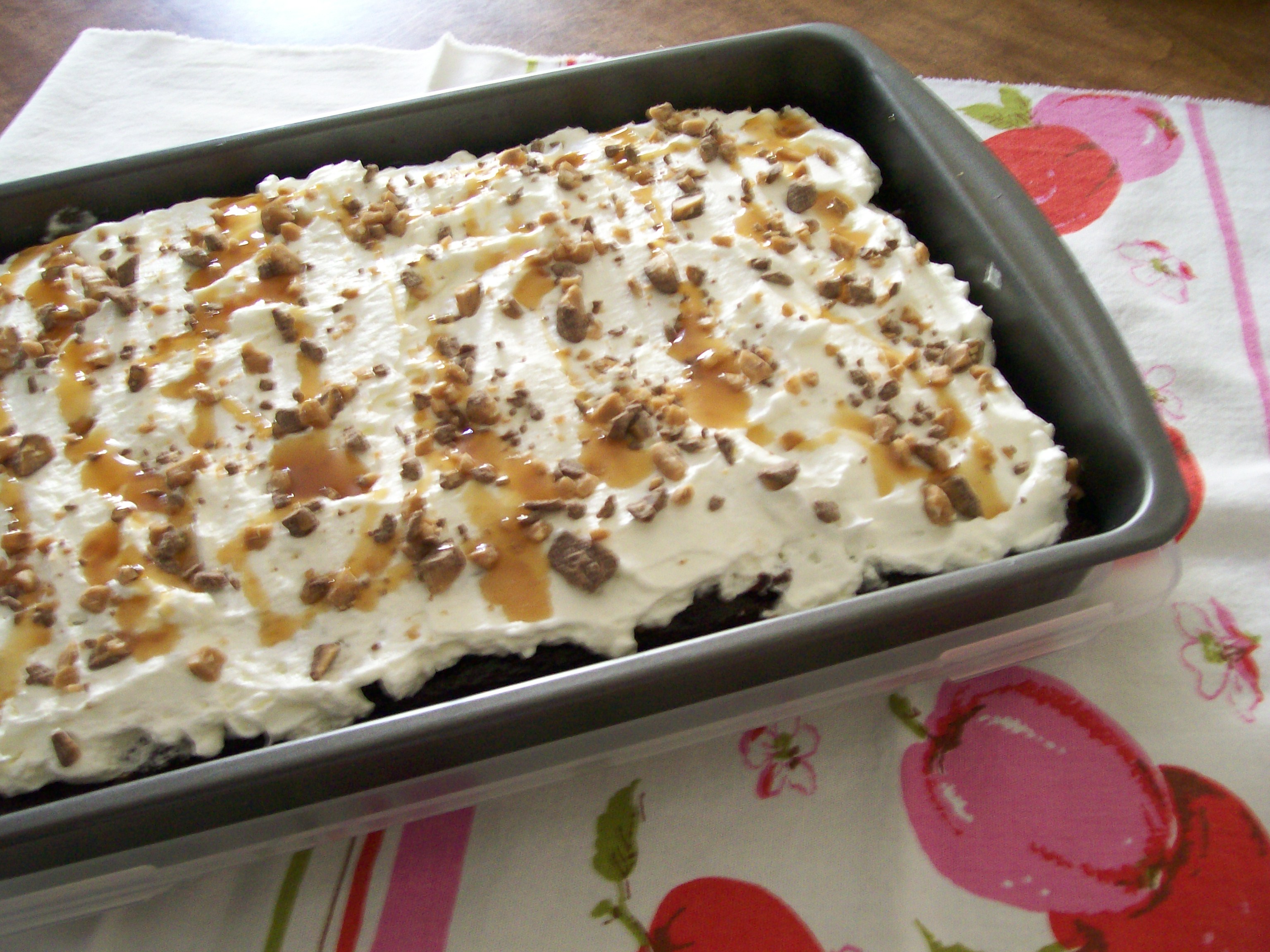
5.  At serving time,  top the cake with the Cool Whip, sprinkle with more chocolate-toffee chips, and drizzle with caramel syrup.   This is one ooey, gooey, scrumptiousdessert—-to die for!


SOURCE:  all-recipes.com

Tropical Pineapple Cupcakes

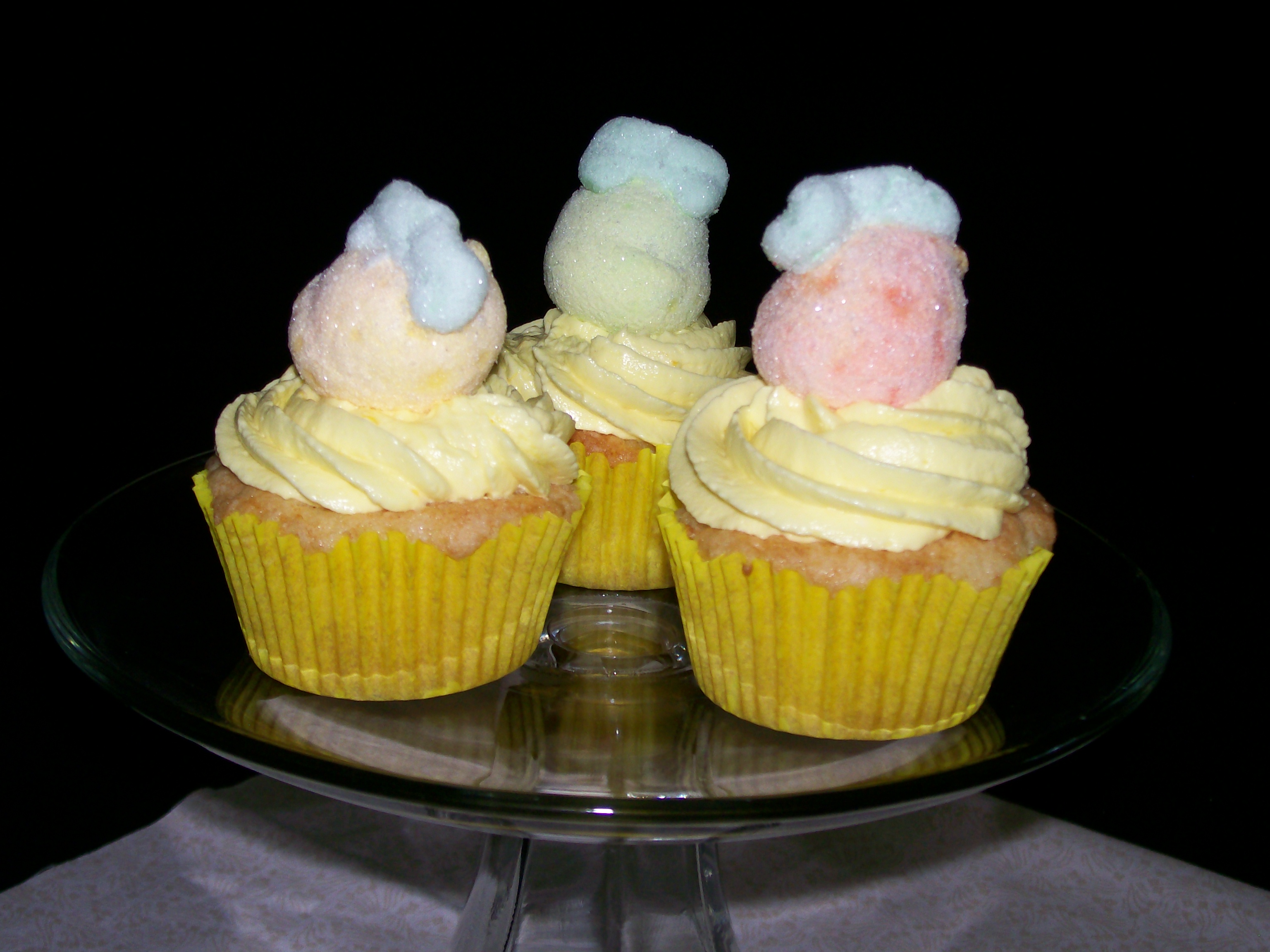
The occasion—-High School Graduation.   The graduate—- my Granddaughter.  Future Plans—-Culinary school!   YEAH!   someone who loves to bake as much as I do.   I wanted to make something special,  yet cool and refreshing looking.  My  idea grew out of my finding a bag of marshmallowy, chewy candies in pastel colors that I thought would look cute as cupcake toppers.  So then I went on the hunt for a recipe for the base cupcake and its frosting, to tie the whole thing together into a theme.

I started with a yellow cake recipe to which I add chopped pineapple and a little pineapple juice.  The frosting is a butter cream with added lemon zest and lemon juice, tinted pale yellow.  The candies are pale green, peach and pale yellow.  So that is the color scheme I worked with,  and it was light, delicate and cool looking.

TROPICAL PINEAPPLE CUPCAKES

Yield:  I got 15 cupcakes, probably could have made each a tad smaller, and gotten 16.

Ingredients

  • 4 canned pineapple rings, finely chopped.  (or  1/2 cup crushed pineapple, well drained)
  • 2 tablespoons pineapple juice
  • 12 tablespoons butter softened
  • 1 cup sugar
  • 2 large eggs
  • 1 1/3 cup self rising flour***
***To use all-purpose flour, add  1 1/2 teaspoons baking powder and  1/2 teaspoon salt to the flour measurement.

Directions

Preheat oven to 350 degrees. Line muffin tins with paper liners.

Drain the pineapple, and reserve 2 tablespoons of the juice.  Finely chop the pineapple, or use crushed.

Place the butter and sugar in a large mixer bowl and beat together until light and fluffy.  Gradually beat in the eggs, one at a time.

Remove from mixer.  Sift in the flour, and using a large spoon (wooden?), fold into the batter.  Fold in the pineapple and the reserved 2 tablespoons juice.

Spoon the batter into the paper liners, filling about 2/3s full.  Bake at 350 degrees for about 20 minutes, or until risen, golden, and test done with a toothpick.  Cool in pan a few minutes then transfer to a wire rack to cool completely.

Frosting

  • 4 tablespoons butter, softened
  • 4 oz. cream cheese, at room temperature
  • grated rind of 1 lemon
  • 1 1/2 cup confectioners’ sugar
  • about 1 teaspoon lemon juice
  • tiny dot of  yellow gel food coloring

Put butter and cream cheese in a beater bowl and beat together until smooth.  Add the lemon zest.  Sift the confectioners’ sugar into the mixture, then beat  until well mixed.  Gradually add the lemon juice until the frosting is of spreading consistency. Add the dot of gel food color, and beat for consistency of color.   Spoon the frosting into a pastry bag fitted with a large star tip.  Pipe a swirl of frosting on top of each cupcake.  Sprinkle with sanding sugar in yellow and/or green.  Top with a marshmallow candy.  ( The candy I found at the grocery store is called “Mallo-Licious”).   I also think tiny palm trees would make a great topping too.—–next time!

SOURCE:   Adapted from a recipe in The Cupcake, by Angela Drake

Baking Powder and Baking Soda

I thought it was time for another entry in my Kitchen Basics series of articles.  This one came to mind as I was working to adapt an old recipe to today’s style of baking and ingredients.  It is about chemical leavening agents.

As you may know, I have quite a collection of old cookbooks acquired over the years and through hand-me-downs.  There are lots of neat recipes that catch my attention, but one thing that I have noticed is that the amounts of baking powder and baking soda are sometimes out of whack.  So here is some basic information about these two ingredients;  what they are, why they’re in a recipe, and how much is appropriate.  Knowing this information helps in recognizing if a recipe needs adjusting, or if you’re creating a recipe of your own.

BAKING SODA

Sodium Bicarbonate, the chemical name for baking soda, is an alkaline substance used in batters that have acidic ingredients such as buttermilk, molasses and sour cream.  When the baking soda is mixed with the acidic ingredient, there is an immediate release of carbon dioxide gas. Batters and doughs that only use baking soda as a leavening agent should be baked immediately.  Otherwise the baked product might not rise as high and the texture won’t be as light.  It creates a crisp texture in cookies, a crumbly one in quick breads.  Used to excess it adds a salty, bitter, unpleasant taste, and can give a brownish or yellow color to baked goods.

The recommended amount to use is 1/2 teaspoon of baking soda for the first cup of flour in a recipe, and 1/4 teaspoon more for each additional cup after that.  Always check the recipe to be sure there is an acidic ingredient to react with it.  ( buttermilk; sour cream, pumpkin, molasses, cocoa, brown sugar)

BAKING POWDER

This is a mixture of baking soda and tartaric acid in a buffer such as cornstarch.  It too, causes baked goods to rise and have a light texture.  Before baking powder, items like biscuits and cakes were made using yeast or a yeast-based sponge.  Double-acting baking powder is the most readily available type found on grocery shelves today.  “Double-acting” means it produces carbon dioxide in two stages;  when it is mixed with liquid and then again from the heat of the oven.  This increases the reliability of recipes, since getting a batter into the oven within a short time frame becomes less important.  Baking powder can lose its ability to leaven, so discard any baking powder that is past the expiration date on the can.

How much to use?   A general rule is 1 teaspoon of baking powder for each cup of flour in the recipe.  If there are a lot of add-ins such as chocolate chips, nuts, dried fruits, then increase baking powder to 1 1/2 teaspoons per cup of flour.

You are probably aware that most recipes tell you to mix either one or both of these products with the flour, stirring with a whisk to evenly distribute them throughout the batter,  thereby avoiding unpleasant little “lumps” that didn’t get mixed in well.

I hope this little tutorial was helpful in becoming more familiar with these two ingredients, and their use. I always feel that if  you understand what  the various ingredients are there for, then you are better equipped to make adjustments to a recipe.  Good luck, and Happy Baking!

Mississippi Mud Bars

I think I’ve said this before, but I’ll say it again:  I.  Love. Chocolate.  It is always my first choice in desserts.  So if there’s chocolate in it, on it, around it, or anywhere close by, you can be sure I’ll find it!   When I was asked to bring a “finger-type” dessert to an end-of-year picnic, this recipe came right to mind.  What else but chocolate could produce Mississippi Mud?  (As a food, that is.)

The recipe was published in the Winter 2012 Baking Sheet, from King Arthur Flour.  I am a faithful subscriber to this little recipe-filled periodical many of which have turned down pages for recipes I want to try.

Mention Mississippi Mud and like the ice cream, I think of chocolate chips, nuts and peanut butter.  These bars have not one, but two kinds of chocolate:  dark and white, plus pecans – a Southern touch.  Pure deliciousness in one little cookie bar.  Since they are eaten with your hands it’s OK to lick your fingers!

INGREDIENTS

  • 1/2 cup unsalted butter
  • 1 cup brown sugar, packed
  • 1/2 cup creamy peanut butter
  • 1 large egg
  • 1 tablespoon vanilla
  • 1 1/2 cup all-purpose flour
  • 1/2 teaspoon baking soda
  • 1/2 teaspoon salt
  • 3/4 cup white chocolate, coarsely chopped, or white chips
  • 2 cups semisweet or bittersweet chocolate chips or chunks, divided
  • 1 cup coarsely chopped pecans, divided

A word here about pan size:  You may choose a 9”x13″, a 9″x9″, or an 8″x8″ pan. The smaller pans will produce 16-20 bars that are thick with a thick layer of chocolate on top.  The 9″x13″ pan will produce 24-32 bars, but only about an inch thick.  That’s the size I used to bake the bars pictured here.

  1. Preheat oven to 325 degrees.  Select your pan and grease generously with non-stick spray.
  2. Cream the butter and brown sugar in a large bowl until smooth.  Beat in the peanut butter followed by the egg and vanilla.  Mix well; scrape the bowl.
  3. In a small bowl, mix together the flour, baking soda, and salt.  Stir the dry ingredients into the butter mixture.
  4. Add the white chocolate, 1 cup of the semisweet or bittersweet chocolate, and half of the pecans.
  5. Spread the batter evenly in the prepared pan.  Using a spatula works well to spread it to the edges.  Bake for 40-45 min. for 8″ or 9″ square pans;  30-35 min. for the 9″x13″ pan. The bars should be golden brown all over.
  6.   Remove from the oven and immediately sprinkle the remaining chocolate over the top of the bars.  Return to the oven for 1 minute to soften the chocolate, then take the pan out of the oven and spread the now-melted chocolate evenly over the top.  Sprinkle with the remaining pecans, pressing them lightly into the chocolate.  Allow to cool before cutting into bars.

SOURCE:  The Baking Sheet, Winter 2012,  from King Arthur Flour

Lemon Ginger Scones

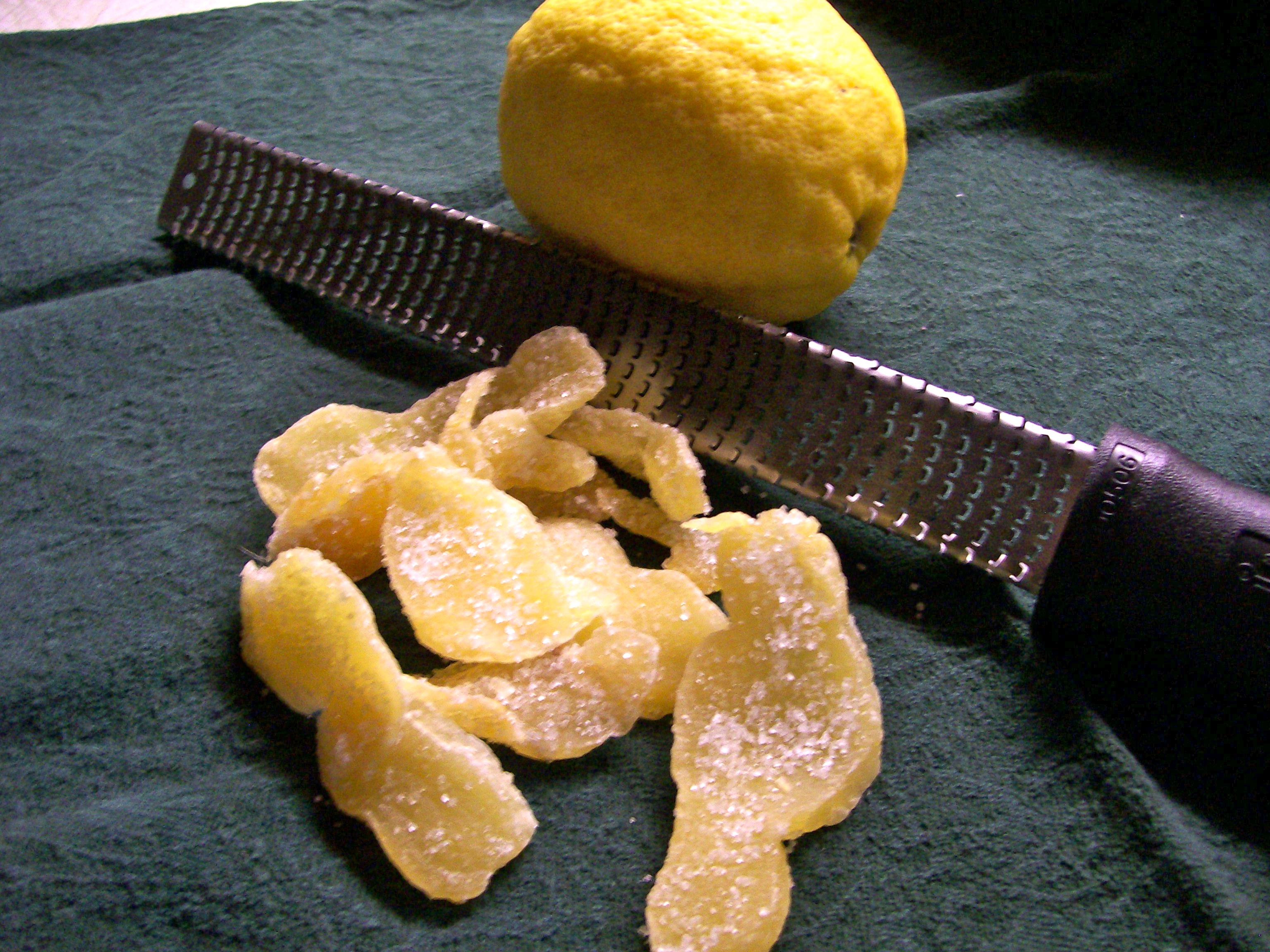
The first time I had a piece of crystalized ginger, I immediately loved it;  my imagination went a little wild as I thought of all the ways I could use it.  Since then I’ve experimented with putting it in a variety of baked goods.  I found out that it likes being “center stage”, without a lot of other ingredients to compete with.  That way you get the full impact of its gingery, spicy, sweetness.  This recipe for scones with lemon and candied or crystalized ginger is a great example of that.  It’s one of my favorites—I hope you like it too.

LEMON GINGER SCONES

Makes 6 large or 12 small scones

 Ingredients

  • 2 cups all-purpose flour
  • 1/4 cup sugar
  • 1 teaspoon baking powder
  • 1/4 teaspoon baking soda
  • 1/4 teaspoon salt
  • 1/2 cup cold butter
  • zest of one lemon
  • 1/2 cup chopped crystalized ginger
  • 2/3 cup buttermilk
  • egg wash and turbinado sugar for tops

Directions

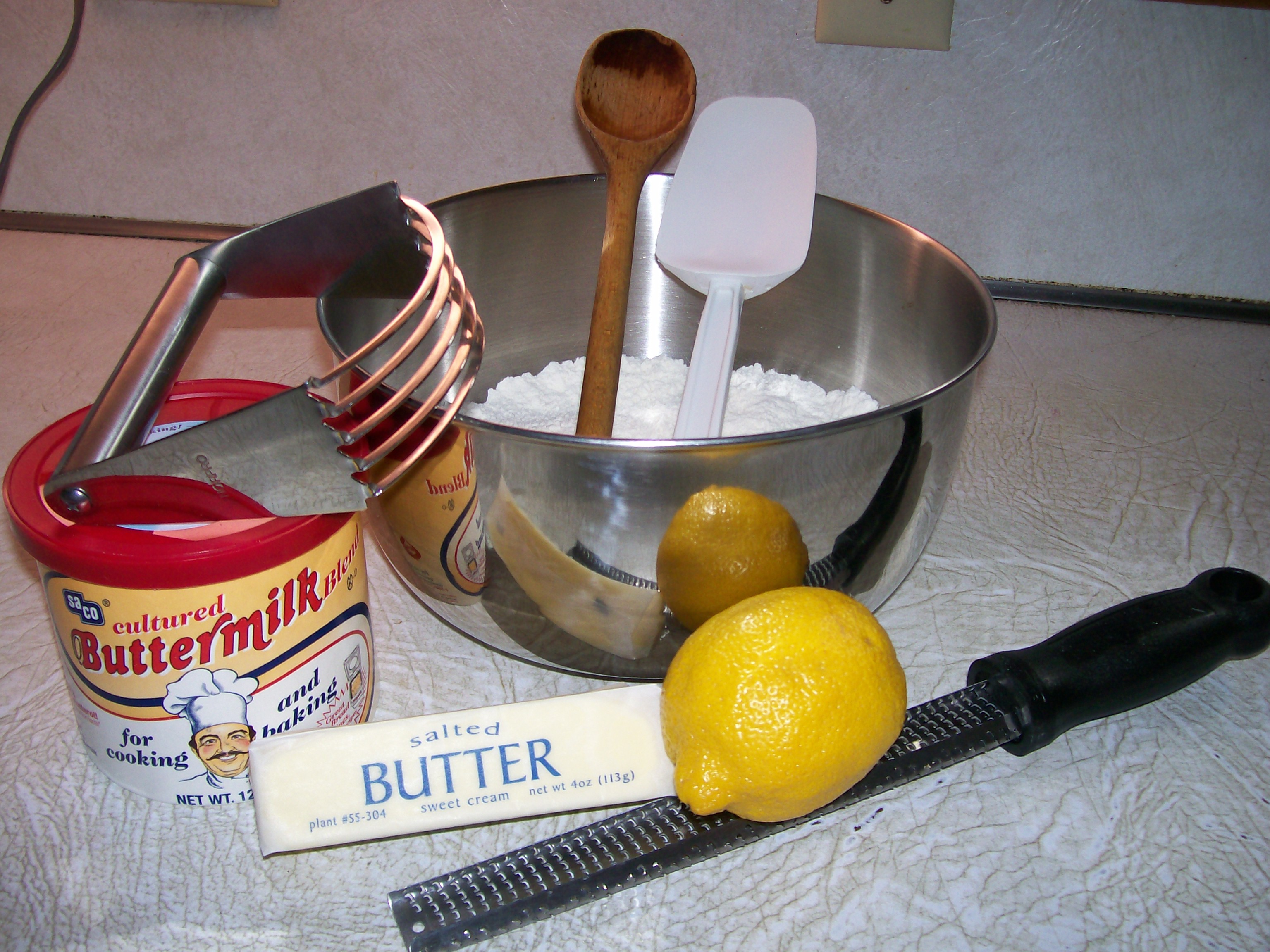
Preheat oven to 400 degrees.  Lightly grease baking sheet or line with parchment paper.

Mix all dry ingredients together ( flour through salt) with a whisk.  Cut in cold butter with pastry cutter or two knives.  Stir in lemon zest and chopped ginger. Add buttermilk.  Stir just to moisten.

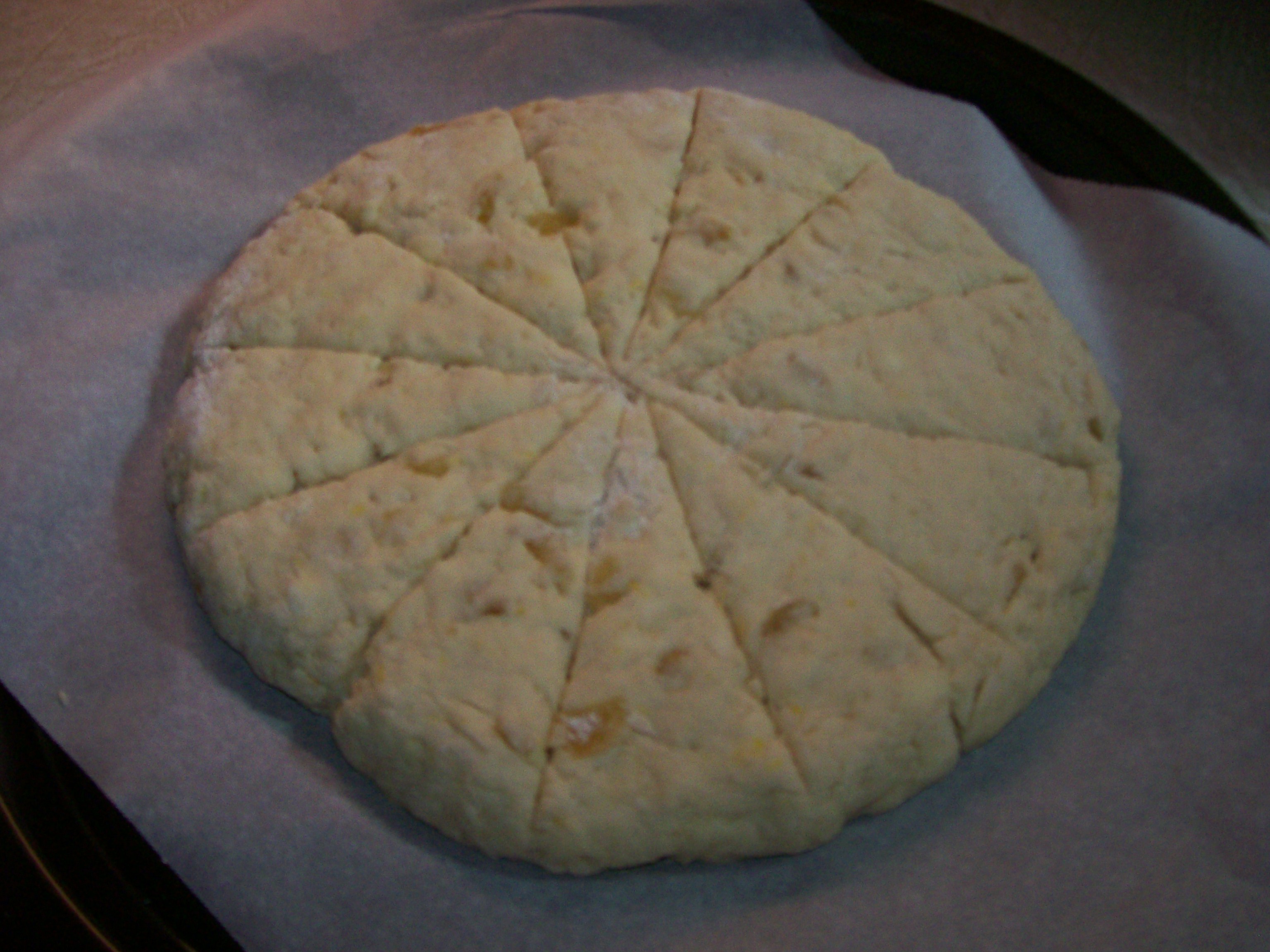
Turn out onto lightly floured board and knead gently to unify. With hands form into a disc about  7 inches round by 1 1/2 inches thick.

Cut into 6 large or 12 small triangles, and place on prepared baking sheet.  Brush tops with egg wash ( I use a little Egg Beaters) and sprinkle with coarse sugar.  Bake at 400 degrees for 20-25 minutes, or until golden brown and a toothpick tests clean.

Serve warm with jam.  I particularly like blackberry jam that I make in the summer when blackberry season comes around.  I’ll save that story or another day!

SOURCE;    A  Carolyn Original

Chocolate Peanut Butter Milkshake

The heat of summer has arrived !  In winter I wish for the warmth of summer, and in summer I’m looking for some relief from the heat.  One day last week when I was out doing a few errands I noted on the  time and temperature clock at the bank that the temperature was 106.  Yikes!!!  What am I doing out in this heat?   Let me get home quickly to some air-conditioning and a cold drink.

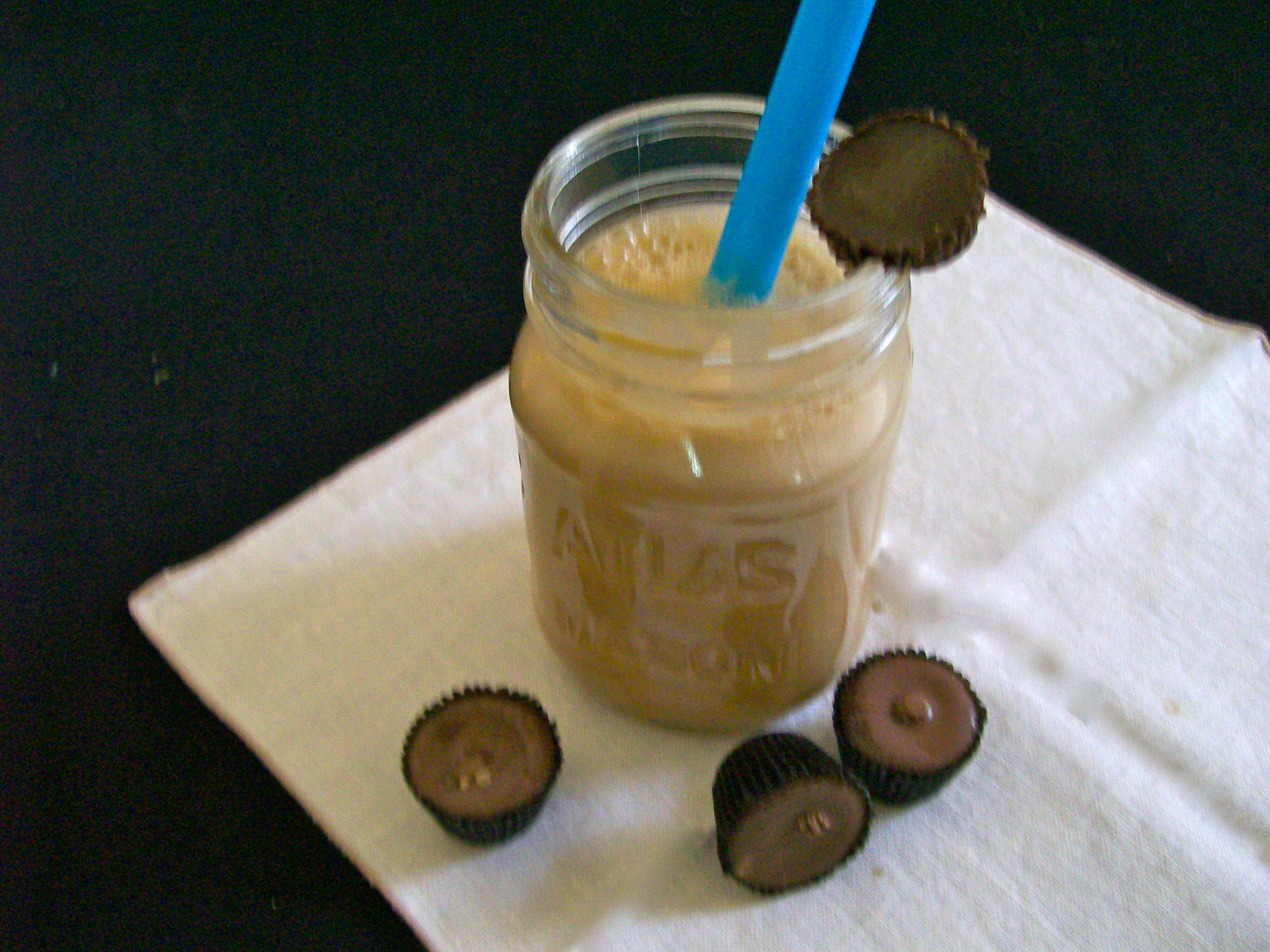
There is nothing so satisfying as unwinding with a frosty cold milkshake.  However most of the milk shakes I’ve ever known carry a lot of calories–hidden way down there at the bottom of the glass.  So,  I decided to put my milkshake on a diet by seeing if I could cut some of the calories and still maintain its cold, satisfying goodness.  Here’s what I did:  for half of the ice-cream I substituted vanilla non-fat Greek yogurt, which still made it creamy and thick.  For the milk I used non-fat milk and added  2 tablespoons of chocolate syrup, and then I also added 2 tablespoons of peanut butter.  All the flavors of a peanut-butter cup candy.  HMmmm!  How about if I add one or two. My first instinct was to throw them in the blender with the other ingredients, but I restrained myself and settled for garnishing the glass with one candy and biting off little pieces in between refreshing sips.   Pretty darn good if I do say so.

Ingredients

1/2 cup cold non-fat milk  (plain or chocolate)

1/2 cup low-fat vanilla or chocolate ice-cream

1 6oz. cup vanilla fat-free Greek yogurt

2 tablespoons chocolate syrup

2 tablespoons peanut butter

1-2 mini peanut butter cups

Chill a tall glass.  Place milk, ice-cream, yogurt, chocolate syrup, and peanut butter in a blender container.  Process until its thick and creamy.  Pour into chilled glass and sprinkle with crushed candy or slide one over the edge of the glass to garnish.

Make one—-you won’t be sorry!

Cobblers, Buckles, Slumps, and Grunts

What do all these words have in common?  They are all desserts made with a fruit base and a biscuit or cake-like topping.  I’m including one of these as my final Desserts for Dudes because my son and all the men I know seem to really like fruit-based desserts, and these names all have a very “manly” sound to them.  Although I had heard of these desserts before -and even eaten some-I was not clear about what their differences are.  So being the curious sort, I looked them up.

The term Cobbler is an old English word which was given to a baked fruit dessert that has dumplings or biscuits placed on top of the warm fruit base and baked in the oven.  As the toppings bake they enlarge and touch each other reminding folks of “cobbled streets”, thus the name cobbler.  A Buckle is made of a cake batter with fruits mixed in it, then oven baked.  It got its name because sometimes the whole thing buckled under the weight of the fruit.   Slumps and Grunts are a variety of cobbler, but cooked on top of the stove, usually in an iron skillet.  They acquired their unusual names because of the sounds they made while cooking.

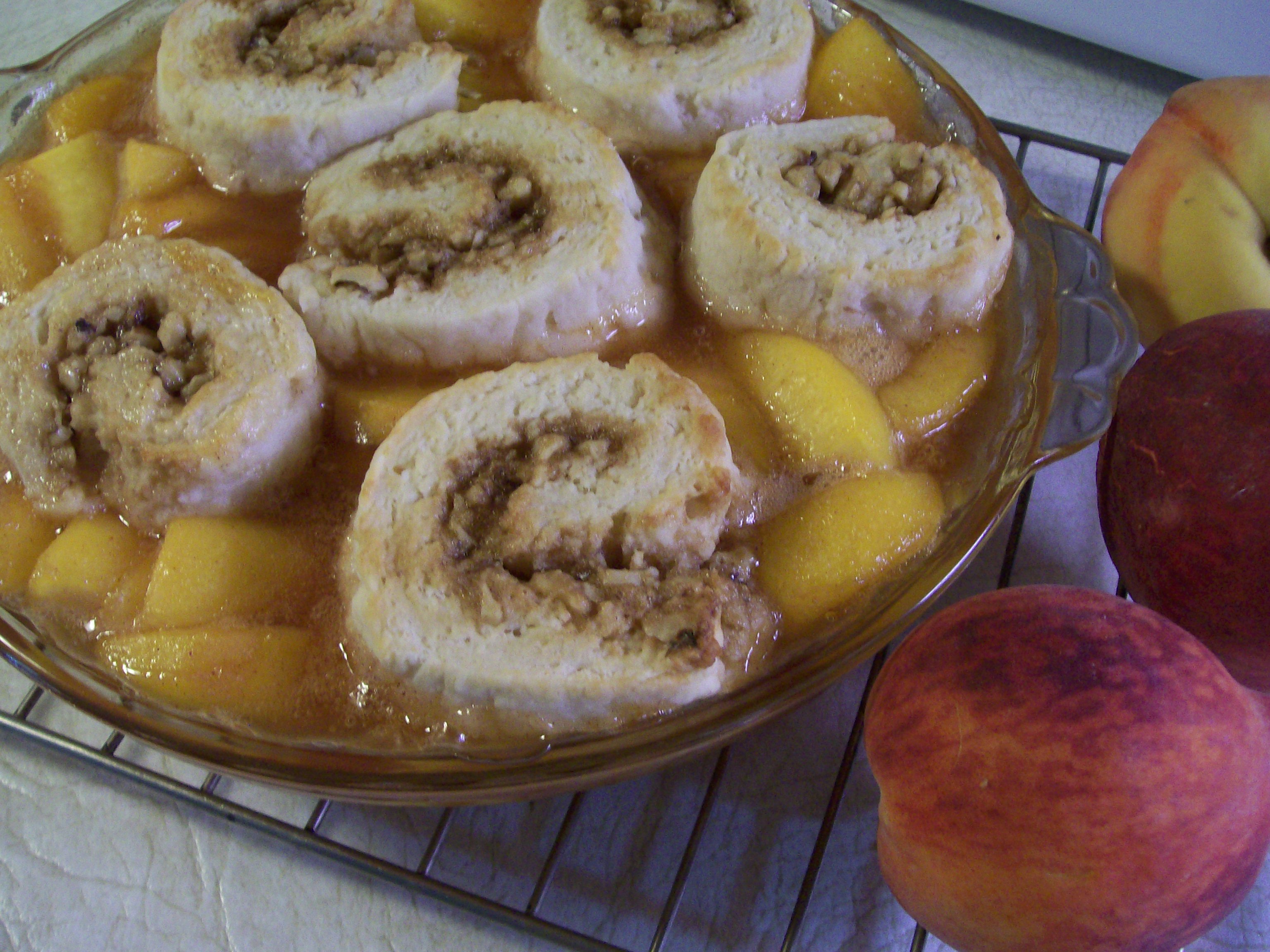
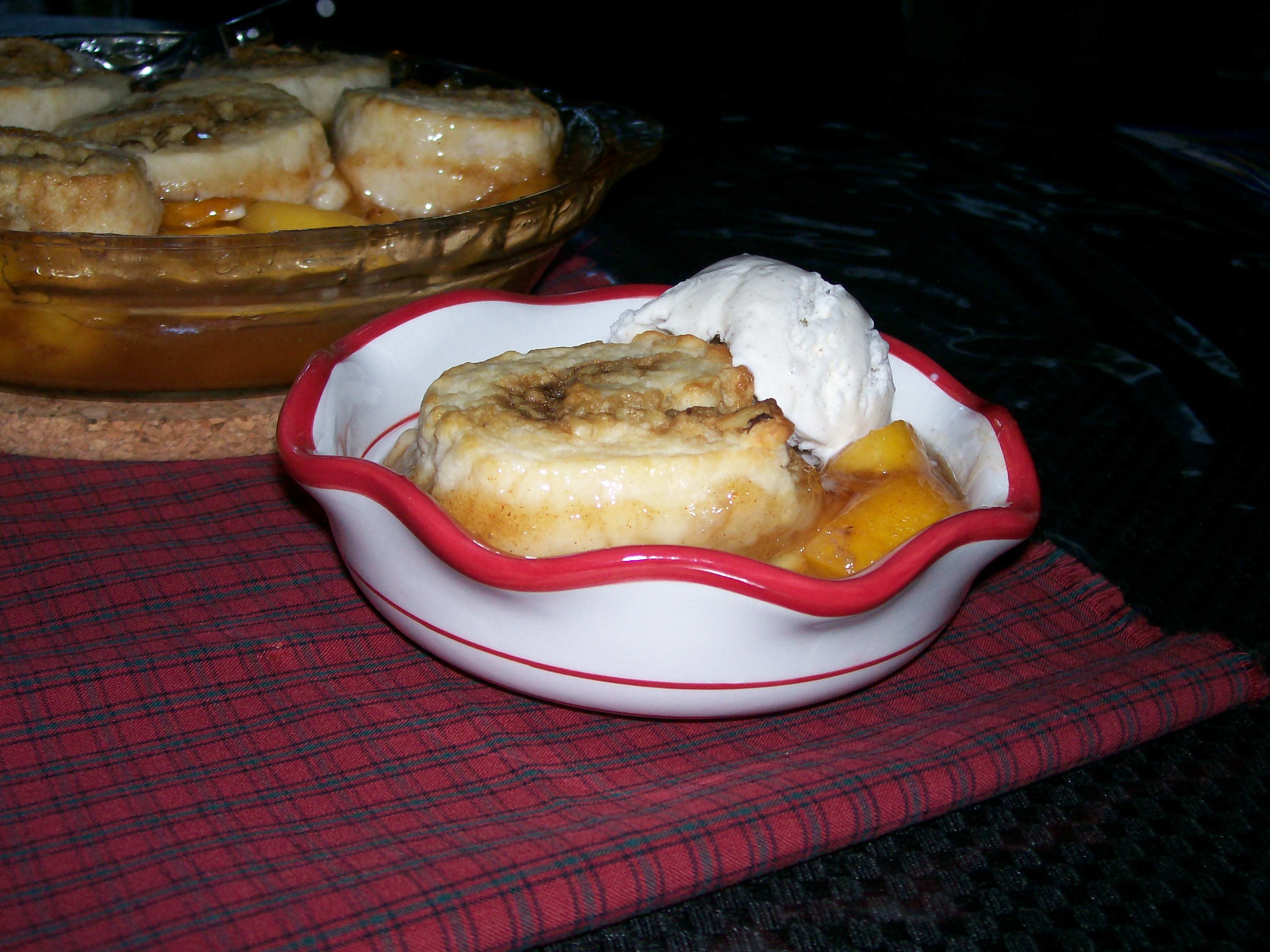
I’ve made cobblers before using various fruits in season.  They are best served warm with a dollop of whipped cream, a drizzle of heavy cream over the top, or with a scoop of vanilla ice cream.  Here then is a recipe for Praline Peach Cobbler.  When I served this still a bit warm, with a scoop of vanilla ice-cream, Mr. D. said “MMMMMMMM, Wow!”

PRALINE PEACH COBBLER

Serves 12

Ingredients

  • 1 1/2  cups plus 2 teaspoons sugar, divided
  • 2 Tablespoons cornstarch
  • 1 teaspoon cinnamon
  • 1 cup water
  • 8 cups sliced peeled fresh peaches
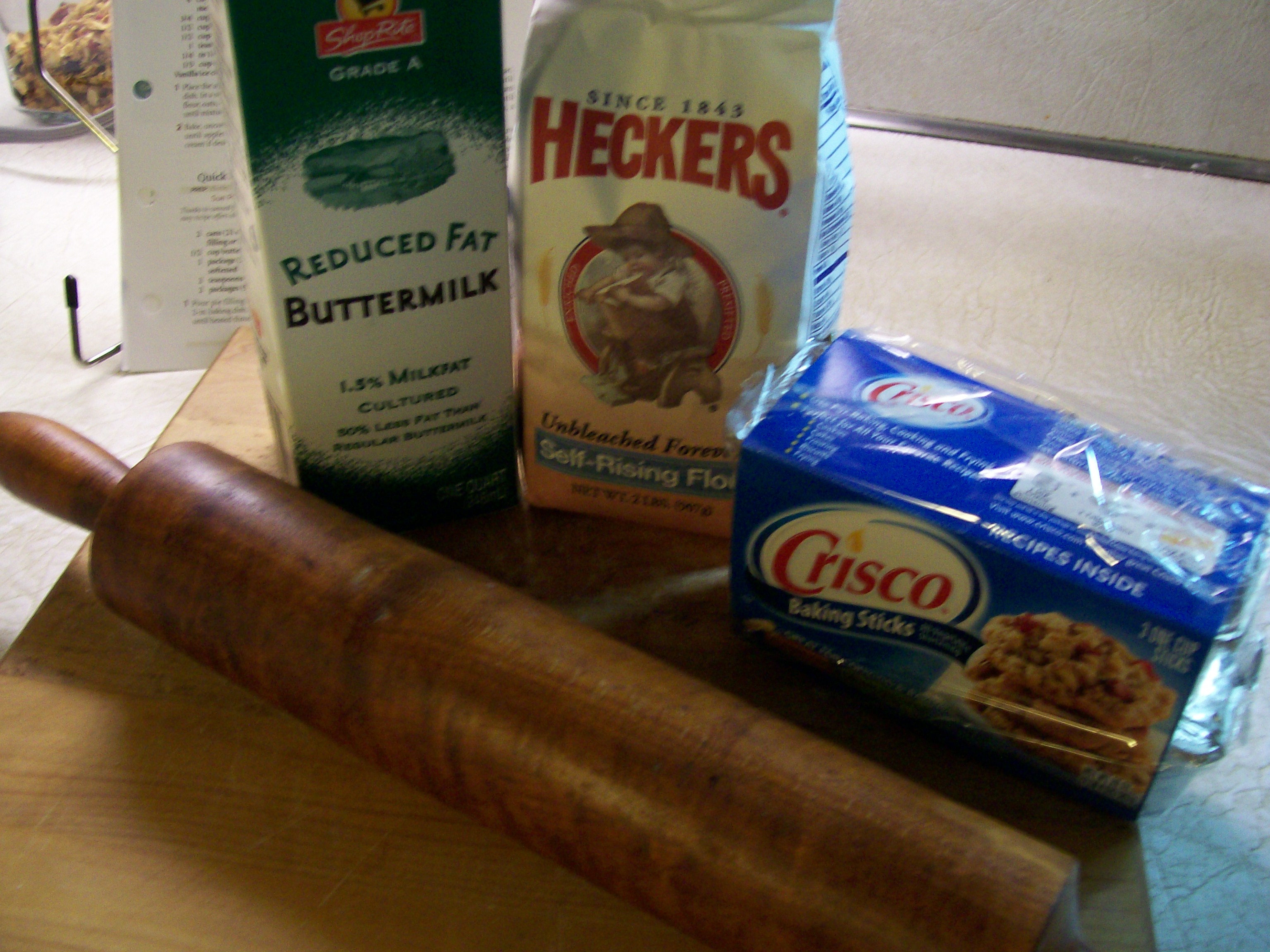
  • 2 cups self-rising flour***
  • 1/2 cup shortening
  • 1/2 cup buttermilk, plus more as needed
  • 3 Tablespoons butter, melted
  • 1/4 cup packed brown sugar
  • 1 cup chopped pecans

***a substitute for the self-rising flour:  place 3 teaspoons baking powder and 1 teaspoon salt in a measuring cup.  Add all-purpose flour to measure 1 cup.  Then add an additional cup of all-purpose flour.

Directions

In a large saucepan, combine 1 1/2 cups sugar, cornstarch and cinnamon.  Stir in water until smooth.  Add peaches.  Bring to a boil over medium heat;  cook and stir for 2 minutes or until thickened.

Pour into a lightly greased 13 x 9 inch baking dish;  set aside.

In a bowl, combine the flour and remaining sugar; cut in shortening until mixture resembles coarse crumbs.  Add the buttermilk and stir just until moistened.  If needed, add additional buttermilk, 1 tablespoon at a time, until the dough clings together.  Turn out onto a floured surface; knead gently for 6-8 times.  Roll into a 12-inch x 8-inch rectangle.

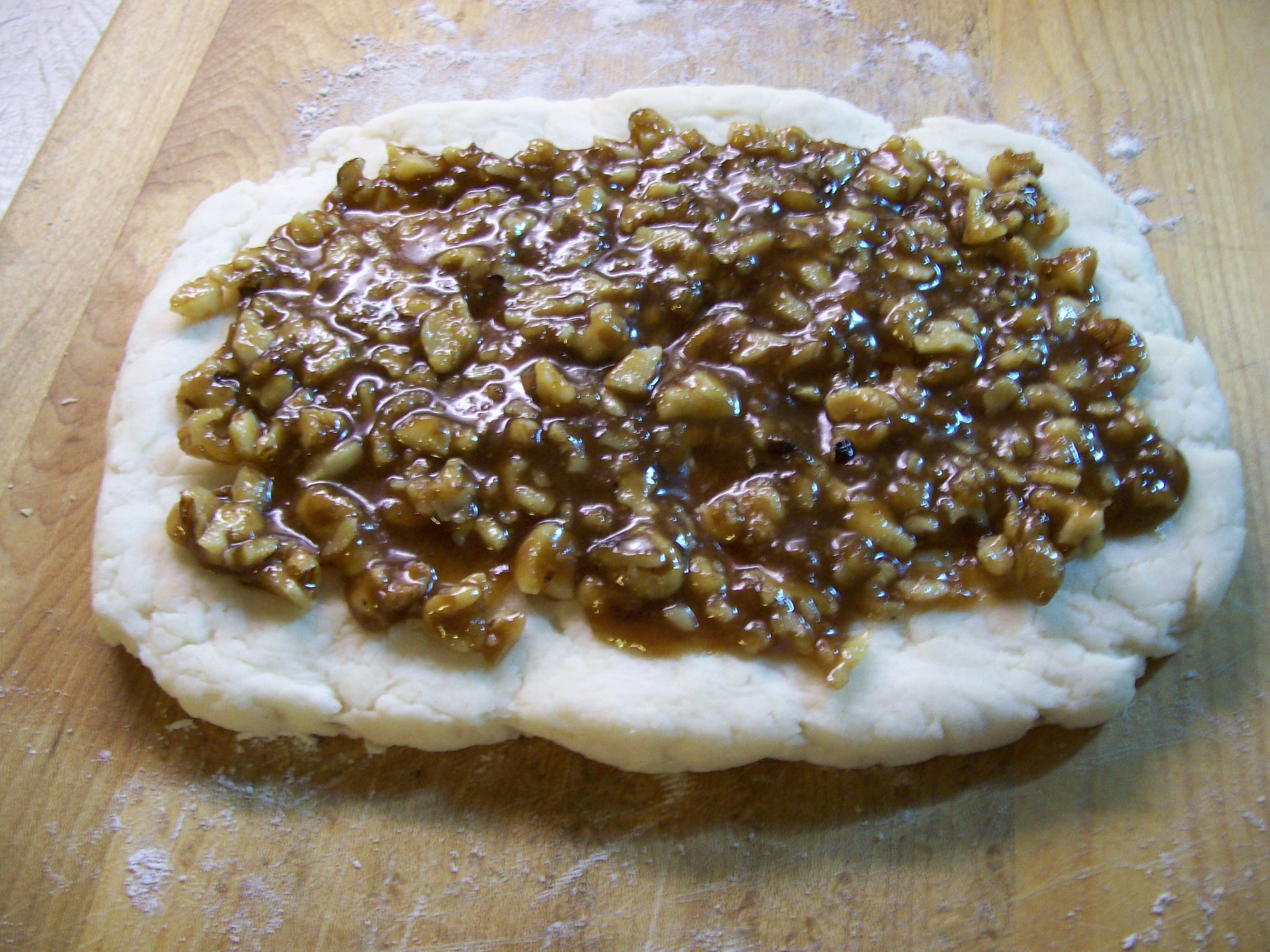
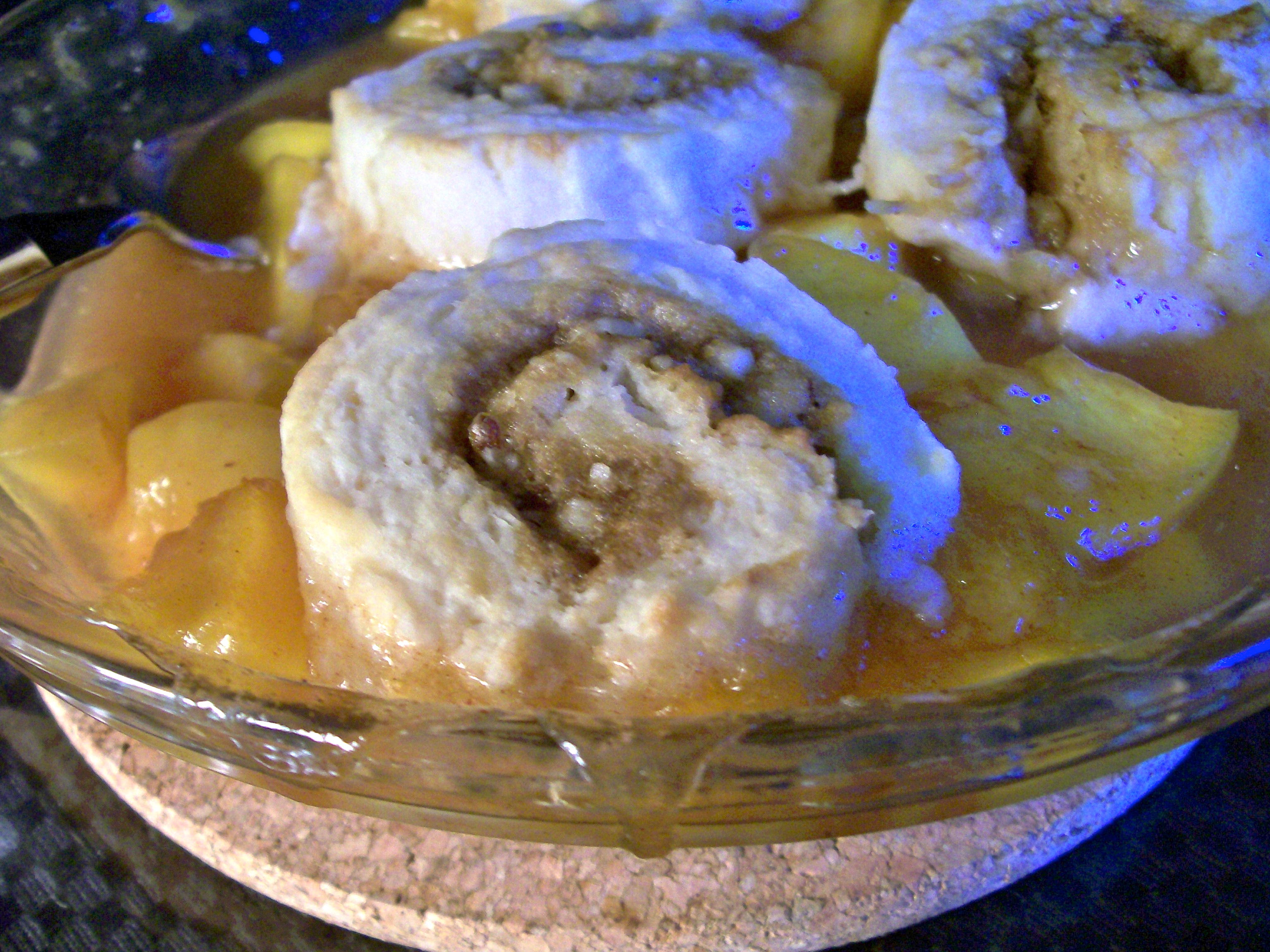
Combine the butter, brown sugar and pecans;  spread over the dough to within 1/2 inch of edges.  Roll up jelly-roll style, starting with a long side.  Cut into 12  1-inch pieces.  Place over peach mixture, cut side up.  Bake, uncovered, at 400 degrees for 25-30 minutes or until golden brown.


Note:  all ingredients may be easily cut in half  to make a smaller size dessert.  Use a 9″ round pan, or an 8″ or 9″ square pan.  As pictured here, I made a half recipe for my husband and me and it easily made 6 servings.

SOURCE:   The Taste of Home Baking Book

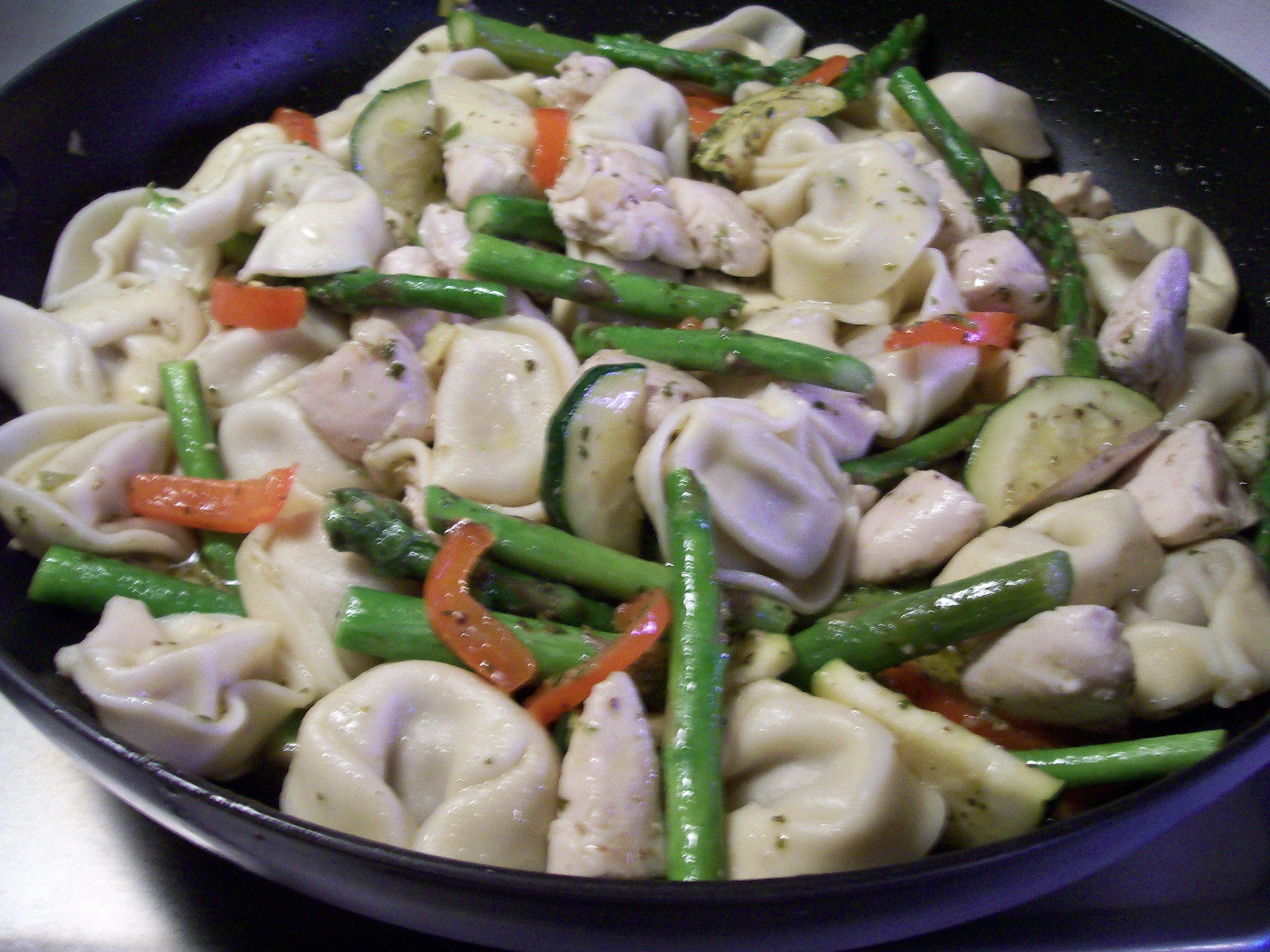
Chicken and Tortellini with Asparagus and Zucchini

Most of us love pasta with red sauce.  They go together like peanut butter and jelly, or iced tea with lemon.  But let’s face it when the days are beautiful and warm we’d much rather be outdoors than in the kitchen making the sauce, cooking pasta and eating a heavy, hot meal.  Right about now I’m lightening up our meals, and including as many fresh,  seasonal, vegetables as I can work into our diet.  Pasta(s) still have their place, but are used a little differently.  The pasta assumes a secondary role rather than being the main focus.  In this recipe chicken and vegetables are the main focus and tortellini helps round out the meal for an all-in-one-pan entree, quick and easy to prepare.

Chicken and Tortellini with Asparagus and Zucchini

SERVES   4-6

  •  1 pound chicken tenders, cut into bite-sized pieces
  •  1  9oz.package refrigerated tortellini ( herb and chicken or any other flavor of choice)
  • 1  lb. fresh asparagus
  • 1 small-medium zucchini, cut into half-moons
  •  1/4 cup chopped green onions
  •  2 Tablespoons olive oil
  •  1 med. size red pepper, cut into thin strips
  •  1  8-10 oz.jar basil pesto (pictured here, homemade pesto)
  • 1/4 cup shredded Parmesan cheese
  • 2-3 Tablespoons sliced black olives (optional)

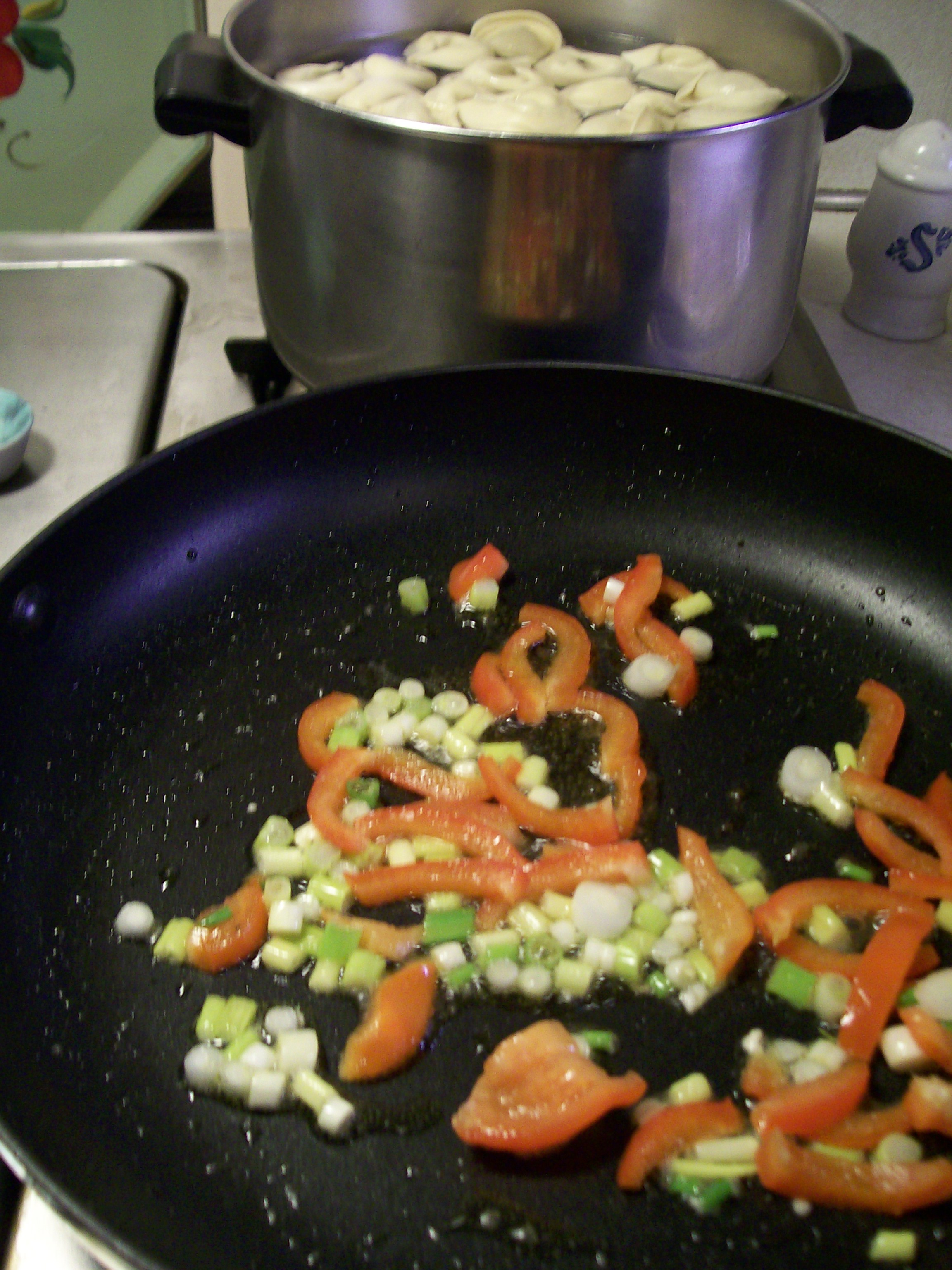
1.  Prepare tortellini according to package directions.  Meanwhile, snap off and discard tough ends of asparagus, and cut the asparagus into 2-inch pieces.

2.  Season chicken pieces with salt and pepper.  Saute in hot oil in large skillet over medium-high heat 6-7 minutes or until almost done. Remove to a platter and keep warm.

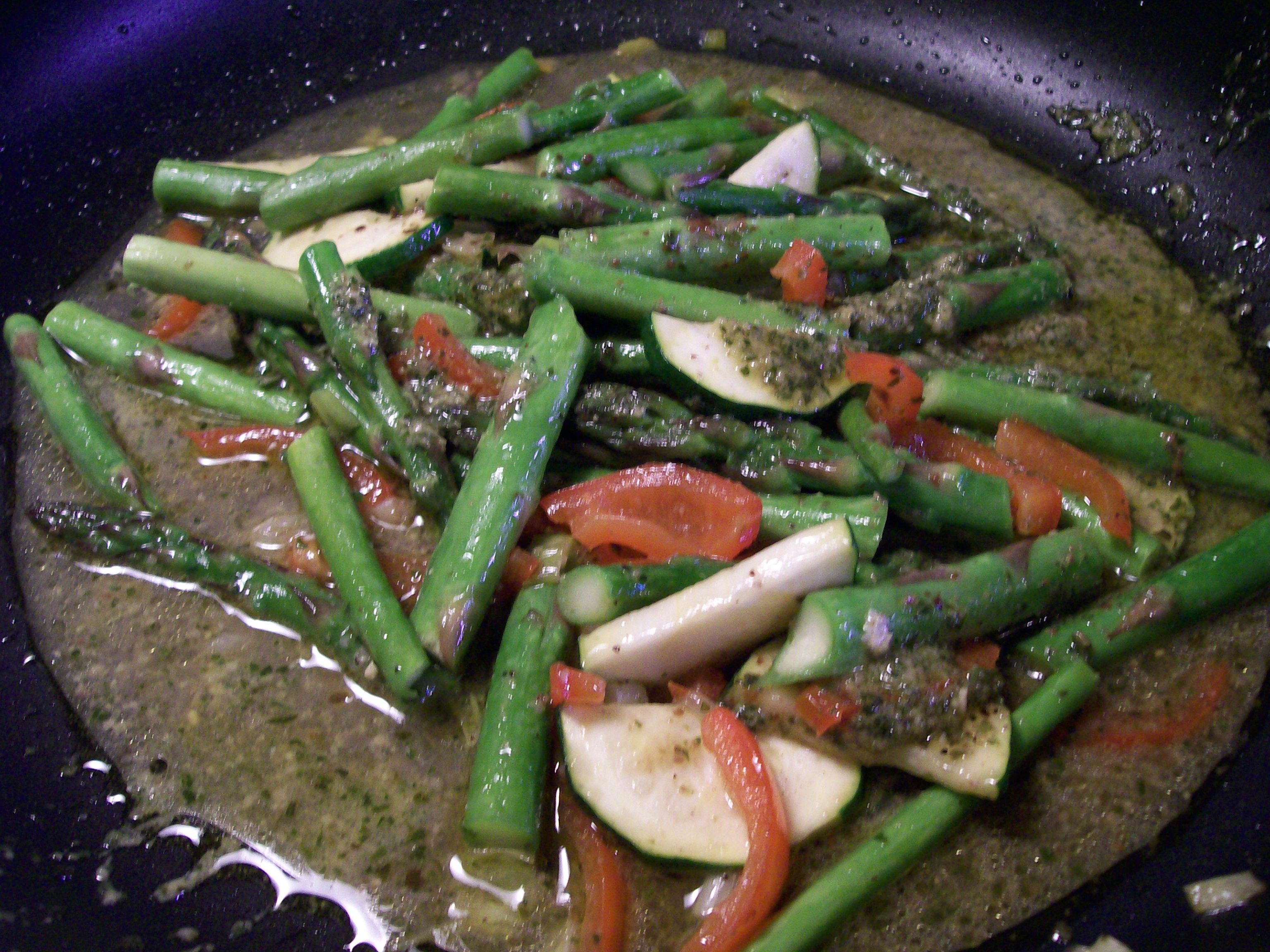
3.  In the drippings remaining in the skillet, sauté the onions  and red pepper over medium heat 1-2 minutes or until softened.  Increase heat to medium-high, add asparagus and  zucchini  and sauté 5-6 minutes.

4.  Stir in pesto,  and return chicken to skillet.  Cook, stirring occasionally, 2-3 minutes or until thoroughly heated.  Save aside about 1/2 cup pasta cooking water.  Drain the tortellini and add to skillet with additional cooking water to loosen the sauce as desired.

Sprinkle with Parmesan and sliced black olives if desired.  Serve immediately.

SOURCE:  adapted from  Southern Living Magazine

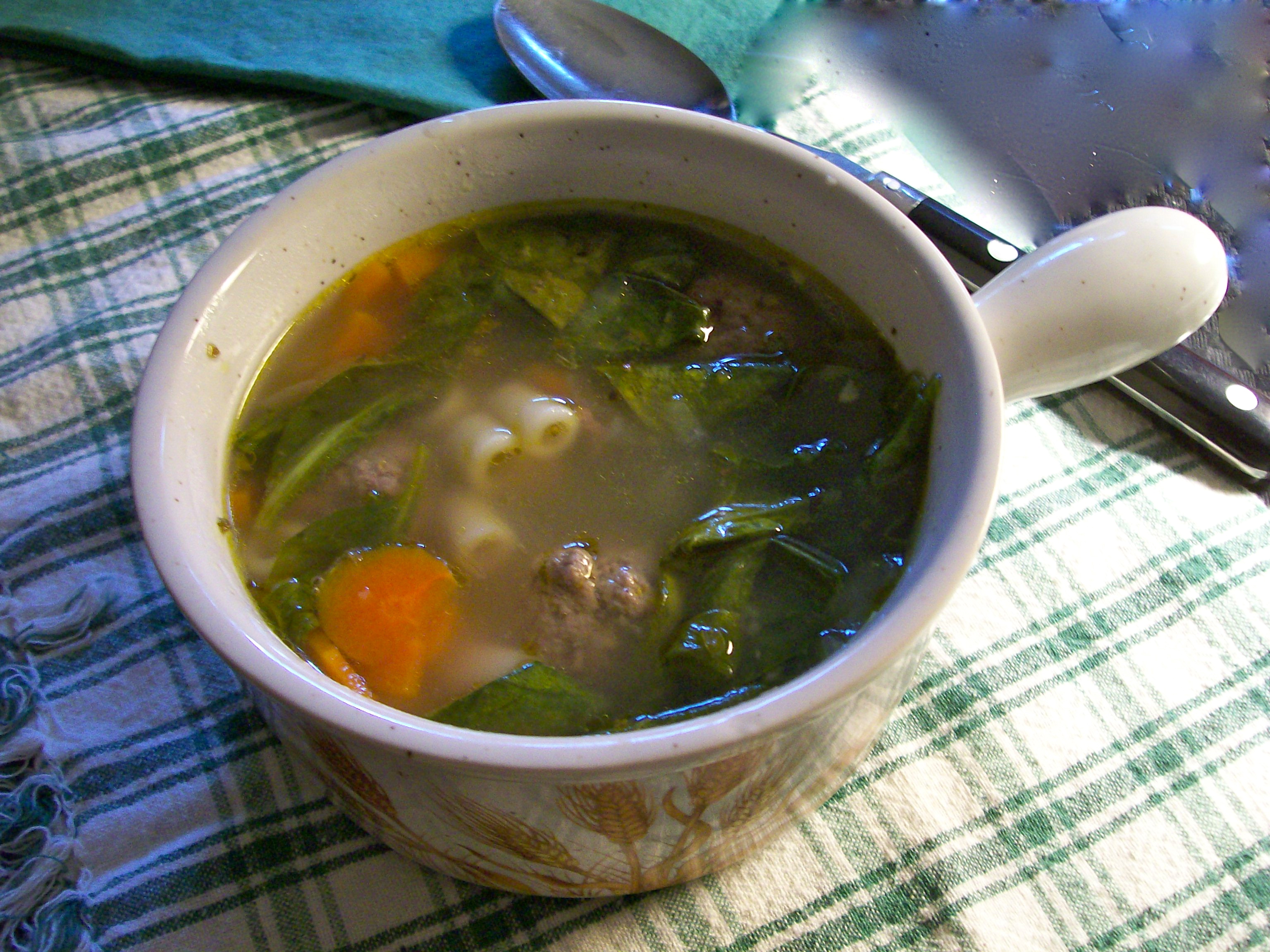
Italian Wedding Soup

Here we are at the middle of June and the weather this week has been overcast and quite cool.

This put me in the mood for a warm bowl of soup.

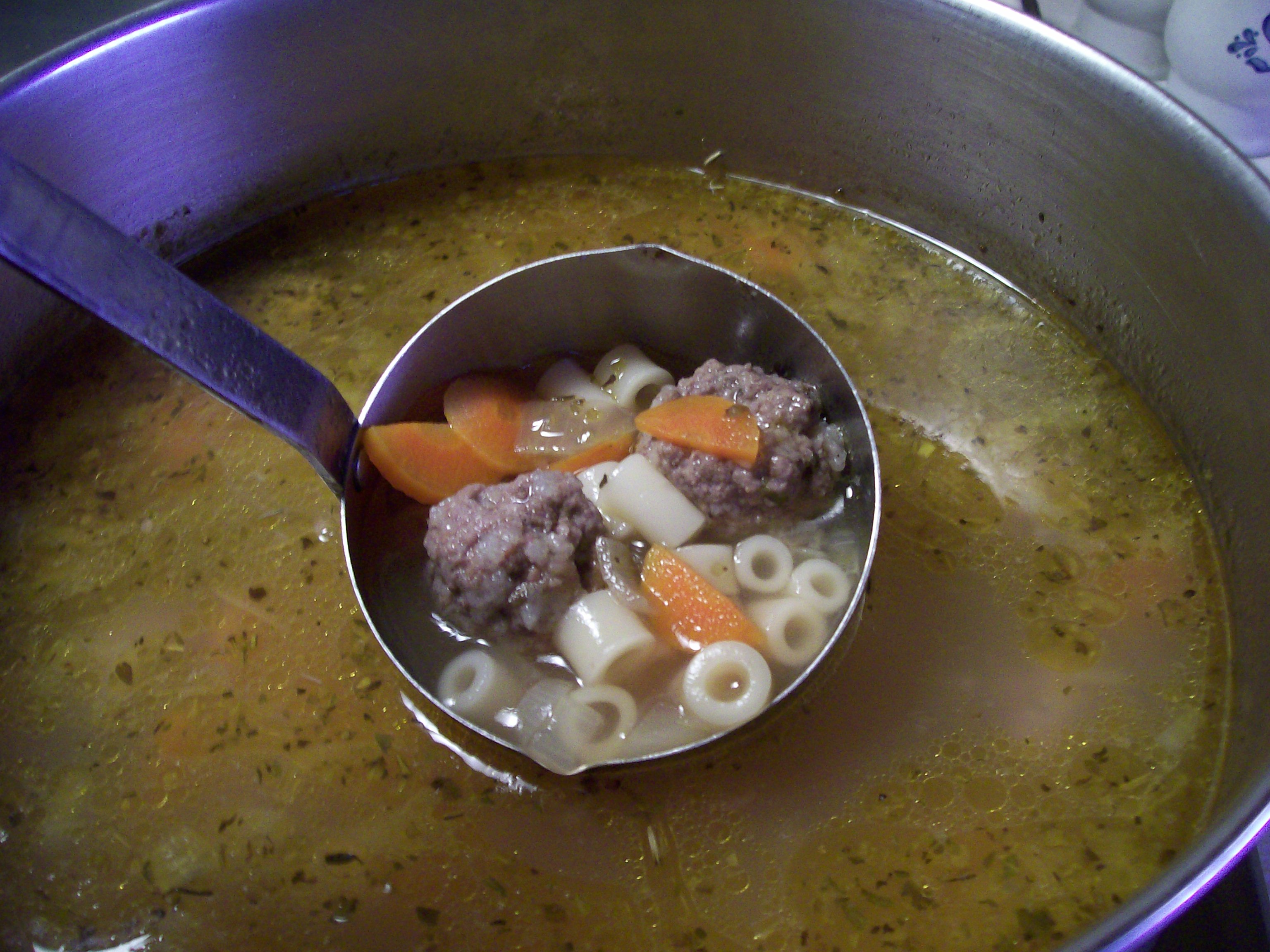
Not a thick, hearty one but something rather light, yet filling and containing healthy ingredients.  The one that came to mind is this recipe for Italian Wedding soup.  A chicken broth base, with carrots, tiny pasta, beef meatballs and spinach,  it was just what I wanted.

A quick side note:  I always assumed it was so named because it was served at Italian weddings.  HaHa!  My friend Pauline who is  Italian by heritage straightened me out on that one.  She says it gets its name from the fact that it is a marriage of beef meatballs with chicken stock,  a wedding of sorts.  So—now we know.

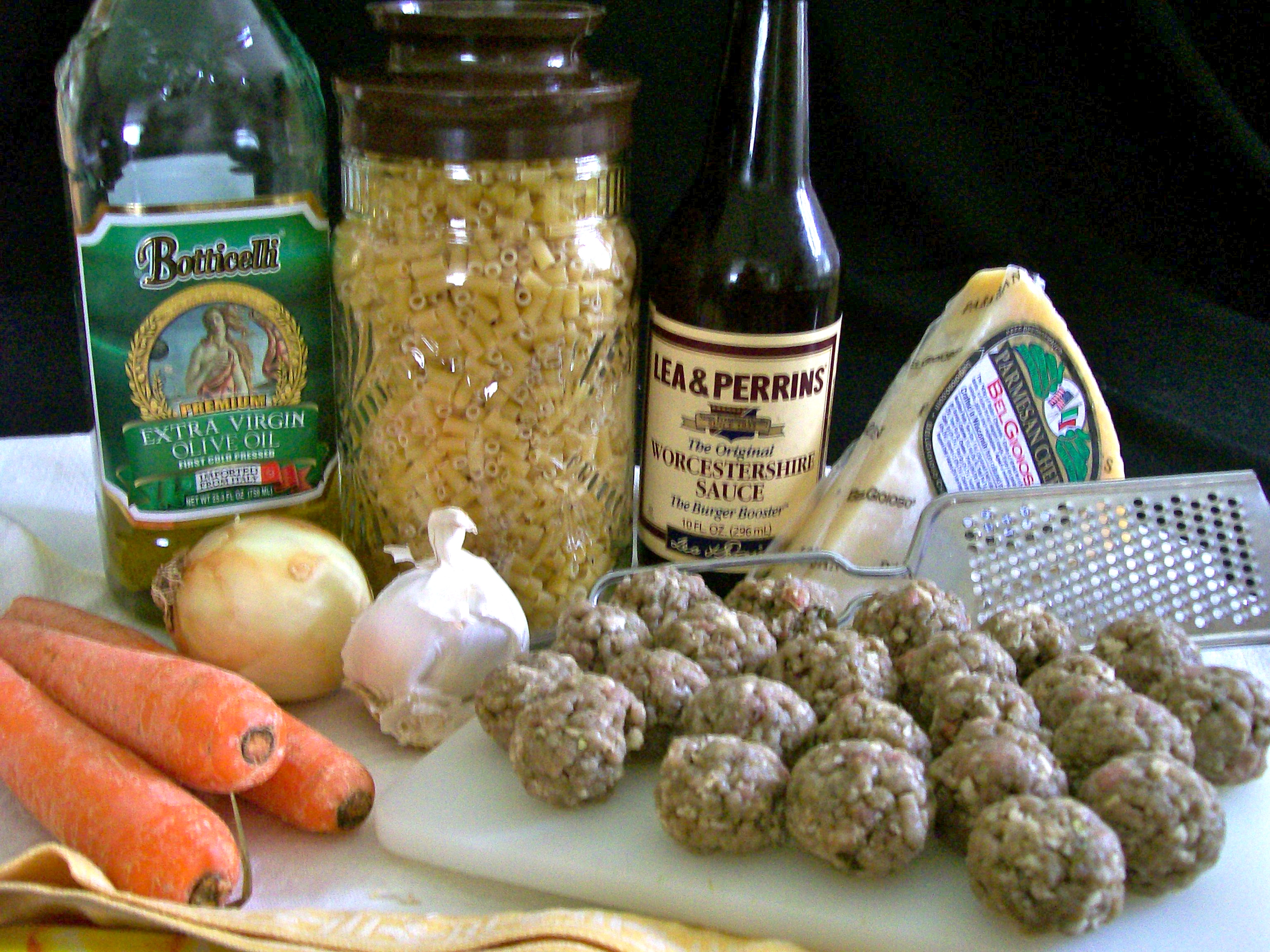
I usually start this recipe by making the meatballs first,  putting them on a platter or tray in the refrigerator while I begin the actual soup-making……then when I need the meatballs they are all ready.  In fact they could be made a day in advance and kept cold so you save time on the day you make the soup, since this is what takes the most time.  With the meatballs all made, it takes less than an hour to make the soup.  Now let’s get started.

ITALIAN WEDDING SOUP

SERVINGS:  ABOUT  8

INGREDIENTS

  • 1  Tablespoon olive oil
  • 1 medium onion, chopped
  • 1-2 carrots, finely diced
  • 1 clove garlic, minced
  • 8 cups chicken broth
  • 3/4 teaspoon dried mixed Italian herbs
  • 1- 1 1/3 cups small pasta, like orzo or ditalini
  • 10 oz. box frozen spinach, thawed and squeezed dry; or 8 0z. fresh baby spinach
  • Prepared meatballs  (see separate directions)

For the meatballs:

  • 1 lb. ground beef
  • 1 egg
  • 1/4 cup bread crumbs, preferably Panko
  • 1/4 cup milk
  • 3/4 teaspoon salt
  • 1 Tablespoon finely diced onion
  • 1 Tablespoon grated Parmesan cheese
  • 1/2 teaspoon garlic powder
  • 1/2 teaspoon dried parsley

In a medium bowl mix together the milk, egg, salt, breadcrumbs, and seasonings.  Crumble and add the ground beef. Gently mix with  the other ingredients.  With your hands, form into tiny meatballs, about 1 inch in diameter.  It’s helpful to moisten your hands occasionally while doing this—-the meatballs seem to stick together better.

PUTTING IT ALL TOGETHER

In a large soup kettle, sauté the onion and carrots in the olive oil, just till onion is translucent.  Add garlic and sauté another minute.

Add the chicken broth and herbs;  Bring to a boil, cover, and reduce heat to medium and simmer till vegetables are tender.  Add the pasta, bringing soup back up to boil,  simmer about 10 minutes.

Add the meatballs and cook until they are firm and float to the top,  about 4-5 minutes.

Stir in the spinach and cook until wilted, if using fresh, or warmed through if using frozen.  Taste and adjust seasoning with salt and pepper as needed.

Ladle soup into serving bowls and top with grated parmesan cheese.   Oh, yeah!  This is good stuff!

SOURCE:   Pauline’s recipe with slight modifications by yours truly.