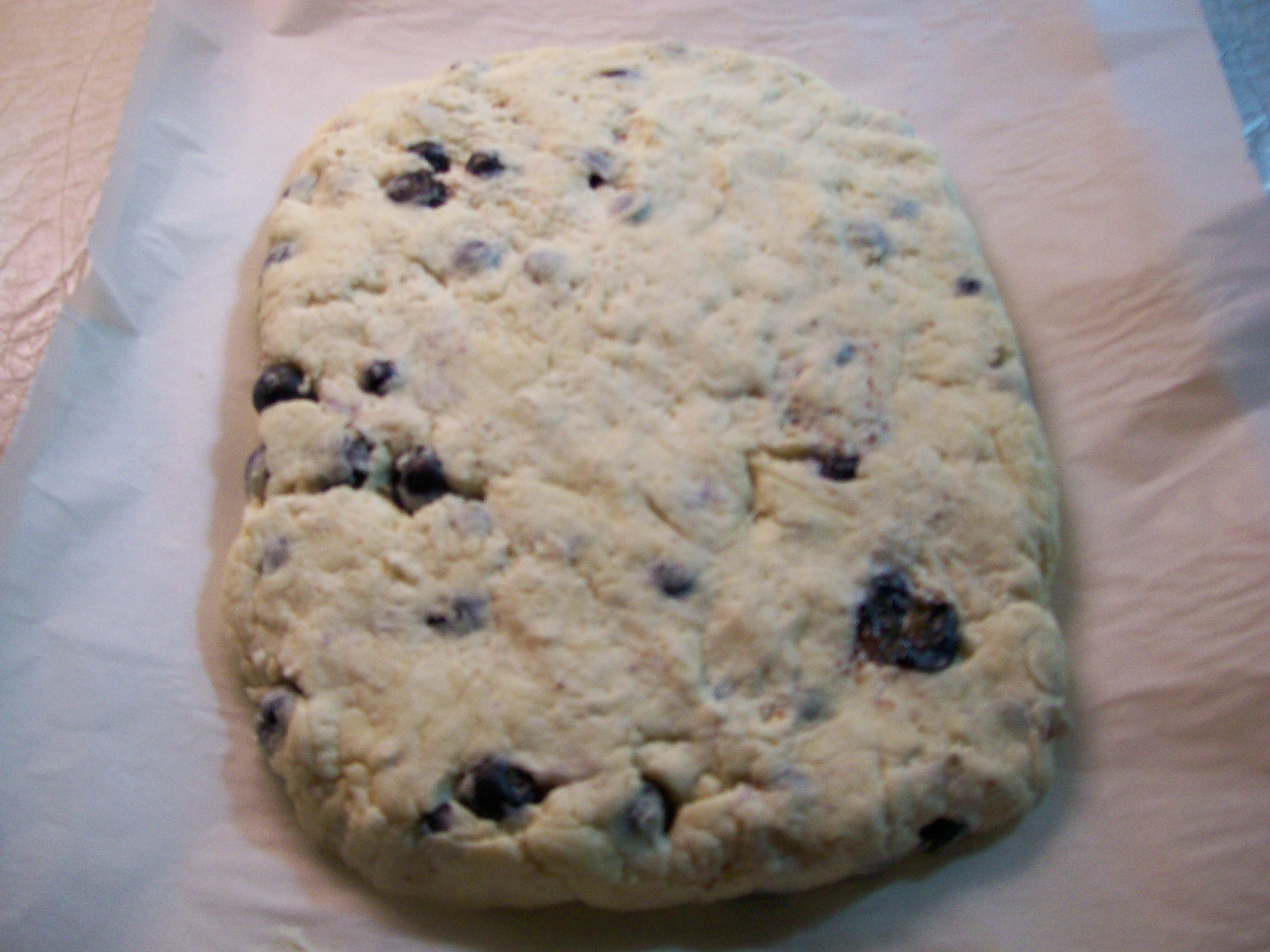
Blueberry Biscuits

One of the pleasures of a holiday weekend for me is the slow start to my days.  I like to linger over my coffee and enjoy a freshly baked “go with”, talk with Mr. D., plan out the day, catch up on the news and mail,etc.   This past weekend was no exception.

One of the  baked goodies  that I make often are biscuits, and quite frequently I add either dried or fresh fruits to add a little extra nutrition.  This serves as breakfast many times, but they can certainly fit into a brunch menu, especially by adding in savory ingredients like crumbled bacon, chopped chives or grated cheese. The choice of add-ins is limited only by your imagination.

The biscuits I made this weekend contained blueberries , thus the name BLUEBERRY BISCUITS.  They are super easy to make, with hands on time about 20 minutes, and baking time 17 minutes.  The recipe makes 12 biscuits.  These also make a nice biscuit base for strawberry shortcake.  Going that route will produce a ” red, white, and blue” dessert for patriotic holidays.  How neat is that?

Ingredients to have ready are:

  • 2 cups of flour
  • 2 tesp. baking powder
  • 2 Tbsp. sugar
  • 1/2 tesp. salt
  • 1/4 tesp nutmeg
  • 1 cup blueberries
  • 1/2 cup unsalted butter
  • 3/4 cup buttermilk, or sour milk ( 2 tesp  vinegar + milk to measure 3/4 cup)
  1. Preheat oven to 425 degrees.  Prepare a parchment-lined baking sheet, or spray  with non-stick spray.
  2. In a large bowl stir together flour, baking powder sugar, salt and nutmeg to thoroughly mix.
  3. Cut  in butter with pastry cutter to make coarse crumbs;  stir in blueberries, then buttermilk. Mix minimally, just to moisten.
  4. Turn out onto a floured surface, gently lift and fold dough onto itself several times, turning a quarter turn with each fold.
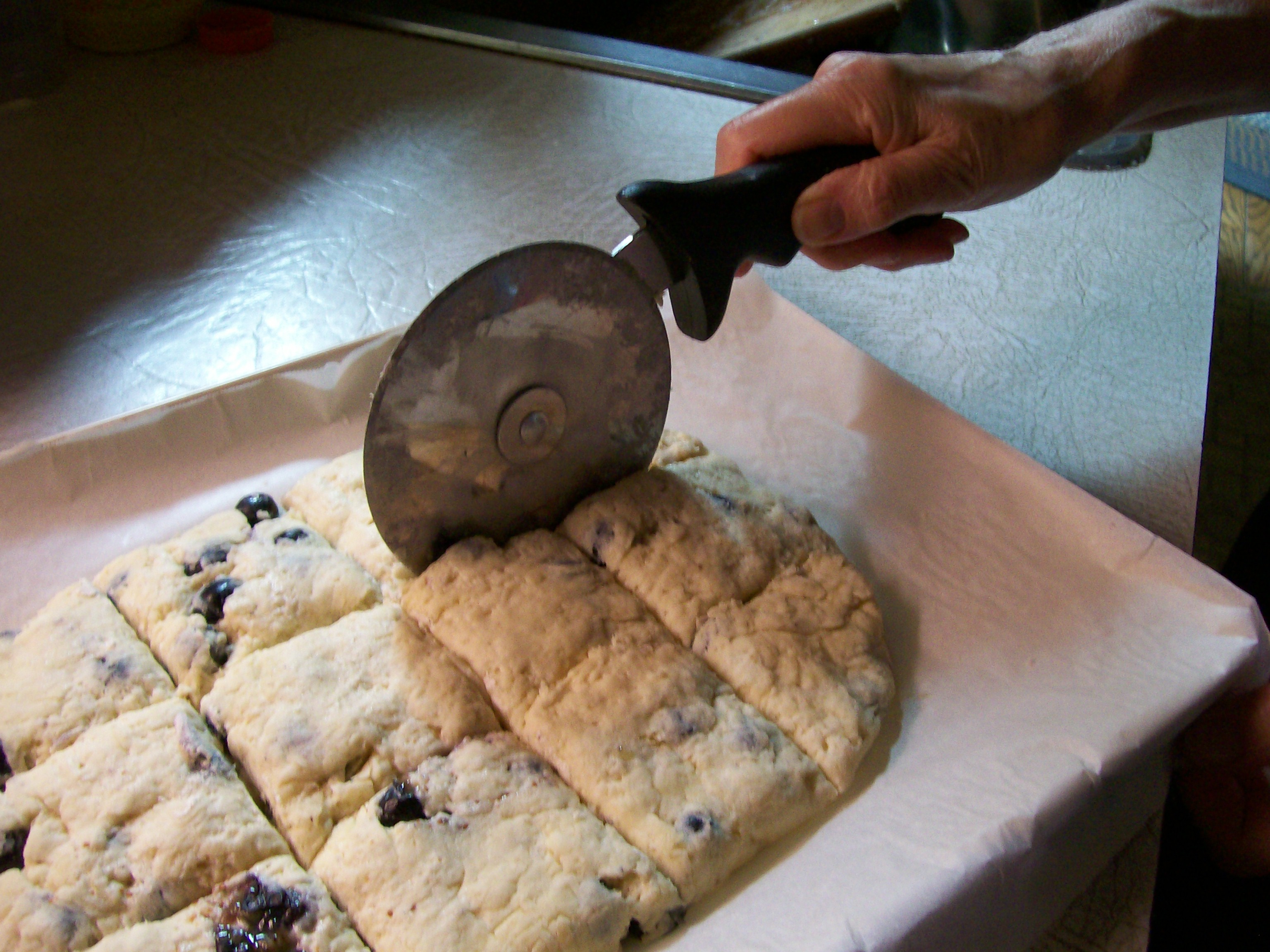
  5. Place onto baking sheet.  With palm of hands, form into a 7-8 inch square, approximately 1 inch thick.  Using a floured knife o pizza cutter, cut into 12 biscuits, leaving them intact.
  6.  Bake in upper half of oven for 17 to 20 minutes or until golden brown.  Cut or pull apart to serve.
SOURCE:  Adapted from Southern Living 1993 Annual Recipes
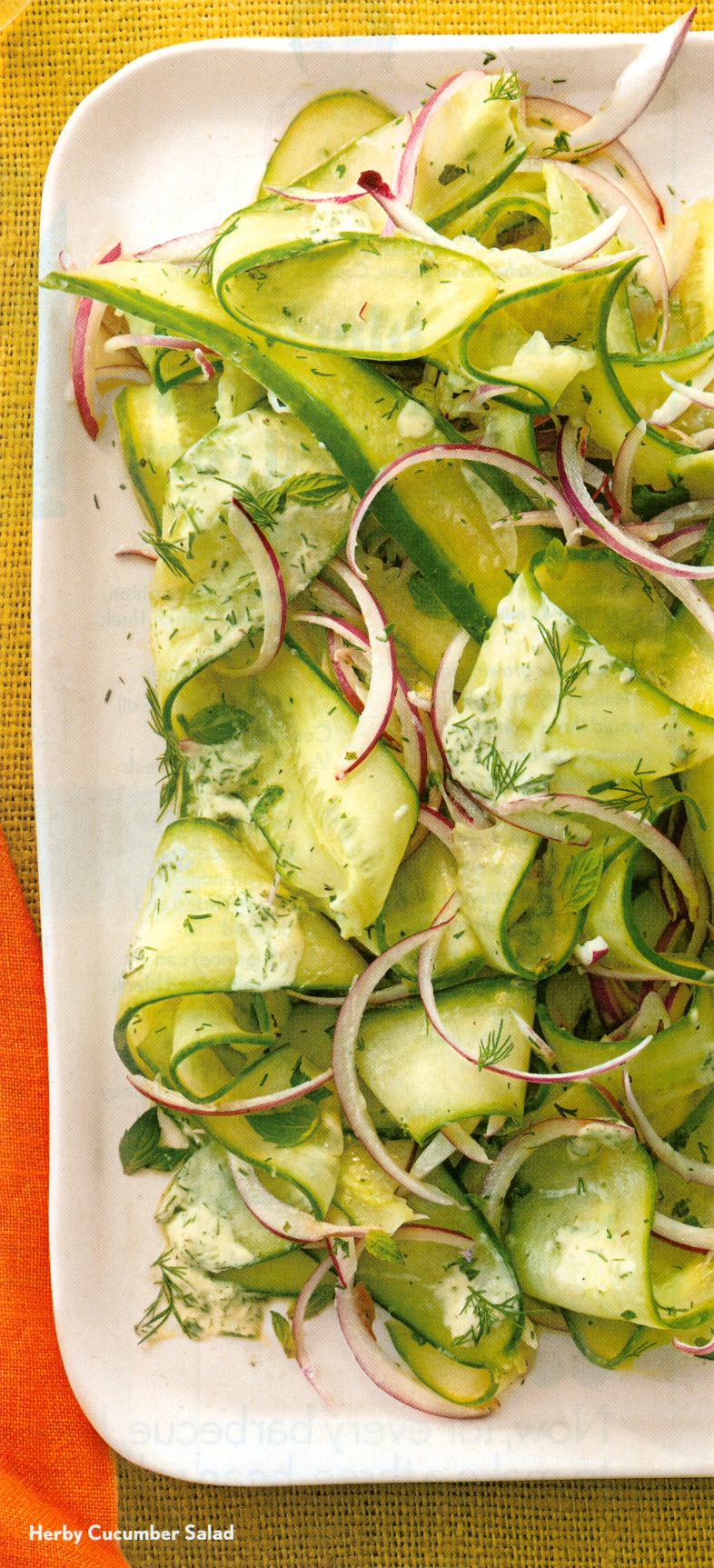
Herby Cucumber Salad

  We enjoyed the company and friendship of some  close friends at a picnic/cookout over the weekend.  After the parade we all gathered in the backyard of one family, and everyone contributed a side dish or dessert.  And  of course, the men were in charge of the grill and its designated foods.

Salads of all kinds are usually welcome, and easy to transport,  so this salad was my contribution. It is cool,  creamy and tangy, and comes together in a flash.  Make the dressing in advance, and carry to the picnic in a separate container.  Toss it with the cucumbers and onions just before serving, otherwise the cucumbers will release too much water.  This salad got rave reviews, so I thought I would share it with you.

  • Ingredients
  • 1/4 cup low-fat greek yogurt
  • 2 tablespoons chopped fresh dill, or 1 teaspoon dried dill
  • 1 tablespoon coarsely chopped parsley
  • 2 tablespoons fresh lemon juice
  • 1 tablespoon extra virgin olive oil
  • 1 1/2 teaspoons coarsely chopped fresh mint
  • 2 teaspoons  Dijon mustard
  • 1/4 teaspoon sugar
  • 1/4 teaspoon salt
  • 1/4 teaspoon pepper
  • 1 clove garlic
  • 5 1/2 cups thinly sliced cucumber (about 2 large)
  • 2 1/2 cups thinly sliced red onion
  1. Combine all ingredients except  cucumber and onion, in a food processor or a blender, and process until well blended.
  2. Place sliced cucumbers and onions in a large bowl, drizzle with the dressing mixture , and toss to coat.
Serves 6-8.
Source:  Cooking Light Magazine

Homemade Ricotta Cheese

“Little Miss Muffet sat on a tuffet, eating her curds and whey”.  Ever wonder what that nursery rhyme was all about?  Well there’s no better way to explain than through the making of Ricotta Cheese.

Whipping up a batch of fresh ricotta cheese gets you bragging rights and a delicious product that is free of additives,etc.  Try some with a few Italian herbs and a little olive oil mixed in and served on bruschetta.  Sit back and enjoy the compliments.  You deserve them!

Before I get to the 1-2-3’s, let me talk a little bit about the process.  Because we are making cheese, we need milk.   It is best to use whole milk as it will give you a nice, rich ricotta that is smooth and creamy; not grainy like some commercial products can be.  From a half-gallon of milk, you will get about two cups of cheese.

Milk is made up of mostly water, with milk fat and some proteins.  The major proteins are of two types:  curds and whey.  Proteins are long strands of amino acids which when exposed to heat or acid, bond to each other producing curds.  The remaining liquid which is left behind is the whey.  Milk can “curdle” naturally as it ages and the bacteria in it multiply causing the milk to sour.  But the cheese we are making is achieved by causing the curdling intentionally by heating the milk and adding an acid.

Have the following supplies ready before you begin:

  • 1/2 gallon of milk
  • 3 tablespoons white vinegar
  • 1/2 teaspoon salt
  • a cooking thermometer
  • a colander lined with 5-6 layers of cheesecloth
  • a heavy-bottom saucepan

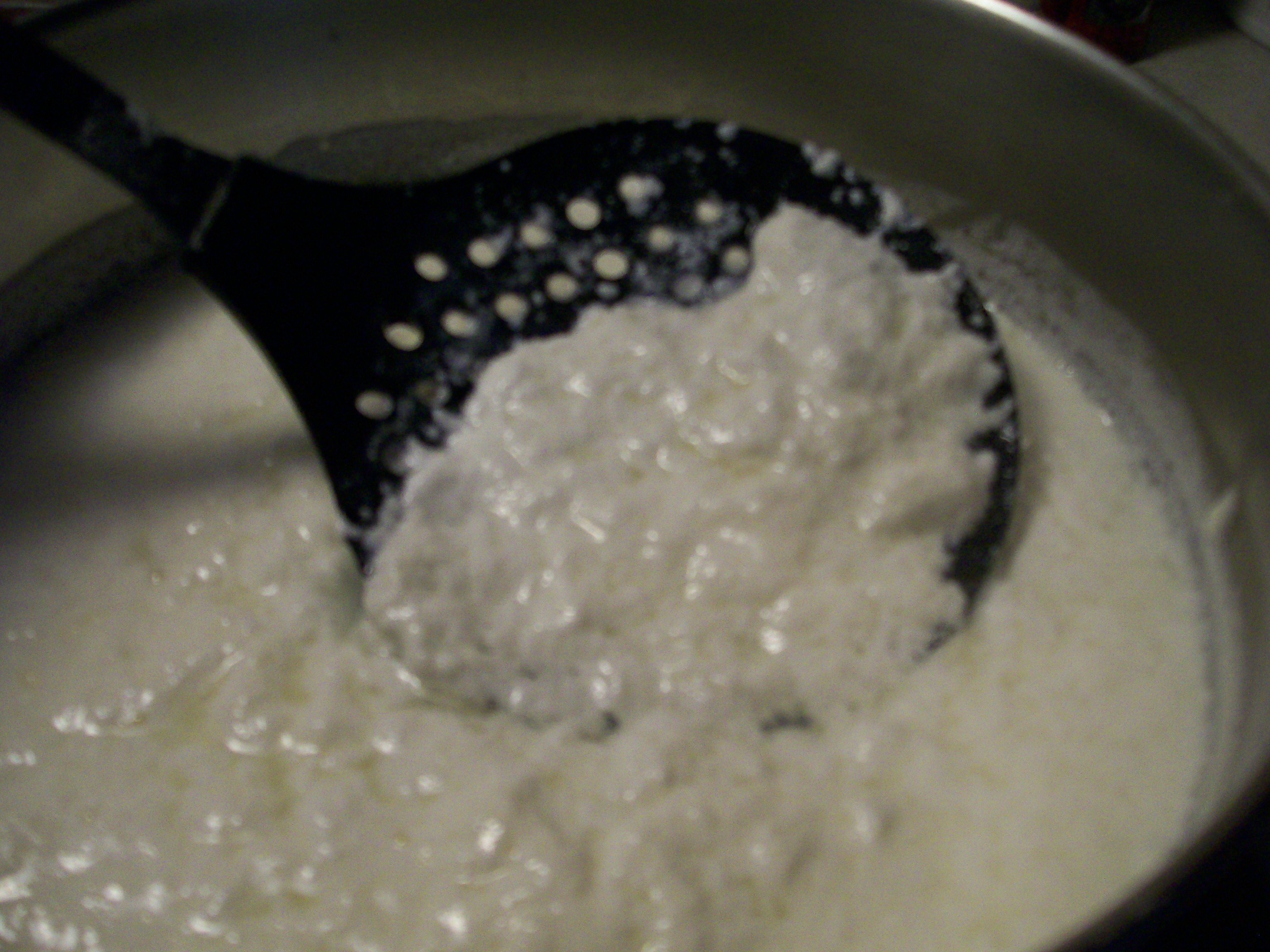
Combine the milk, vinegar and salt in the saucepan and heat to 185 degrees.  Stir frequently to prevent it from scorching.  As it heats, you will see the curd proteins clumping together.  Once it comes to temperature, take it off the heat, and let it sit for about 10 minutes to make sure it curdles completely.

Place the lined colander over a bowl to collect the whey. ( It can be used in place of milk in anything that uses milk i.e., pancakes, muffins, etc.)  Pour or ladle the curds into the cheesecloth and let it drain from 5-30 minutes.  A shorter drainage time will give a creamier cheese; a longer time will produce a drier more coarse cheese.  Pick up the bundle and gently squeeze out remaining whey.

Use the cheese warm on bruschetta or pasta, or place in an airtight container and refrigerate it.  It will keep for several days.

I used most of mine to make Stuffed Shells with Marinara Sauce, and I will be posting the recipe for that soon.  I’m sure I will be making the ricotta cheese again as I would like to try it in a cheesecake.  Oh, my thoughts just went spinning off imagining it served with  fresh strawberries.  Yum, Yum!  I’ll keep you posted.

Marinara Sauce

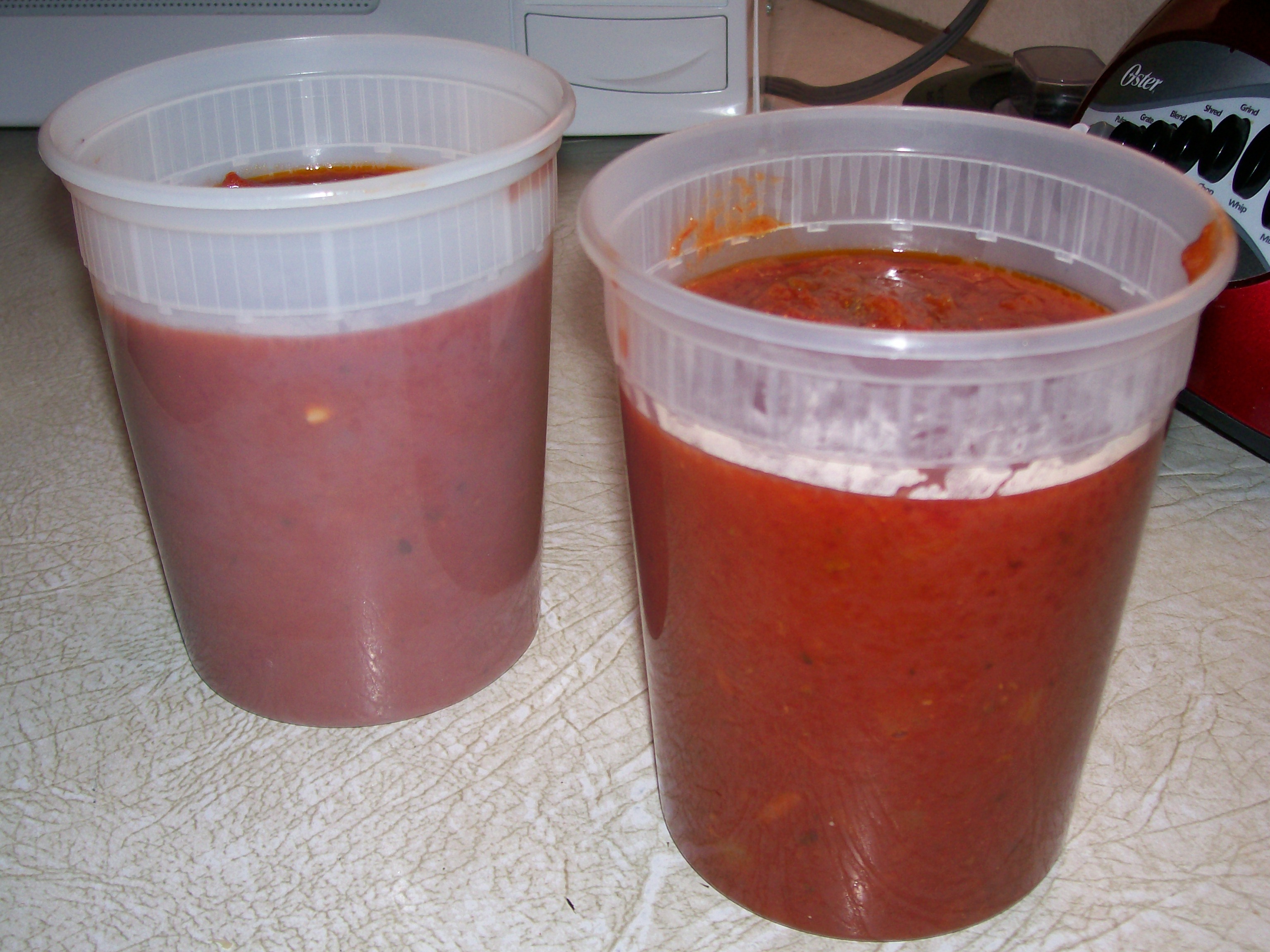
One of the things I like to have on hand at all times is Marinara Sauce.  This is the basic tomato sauce that I use the most.  This got me to thinking that from time to time I would write about foods that I consider “kitchen basics”, and this is one of them.  It is extremely easy to make,  and so worthwhile because it is so versatile.  During the time the sauce is simmering you can be doing something else.  This is a nice thick sauce that is great with any pasta shape. If you think it needs to be thinned down a little for a particular recipe you can add a little white wine to it.  It can also handle the addition of meatballs or sausage, and you can certainly add additional seasonings to your taste.

This recipe makes about 2 quarts (8cups);  3-4 cups will serve 4 over pasta.

MARINARA SAUCE

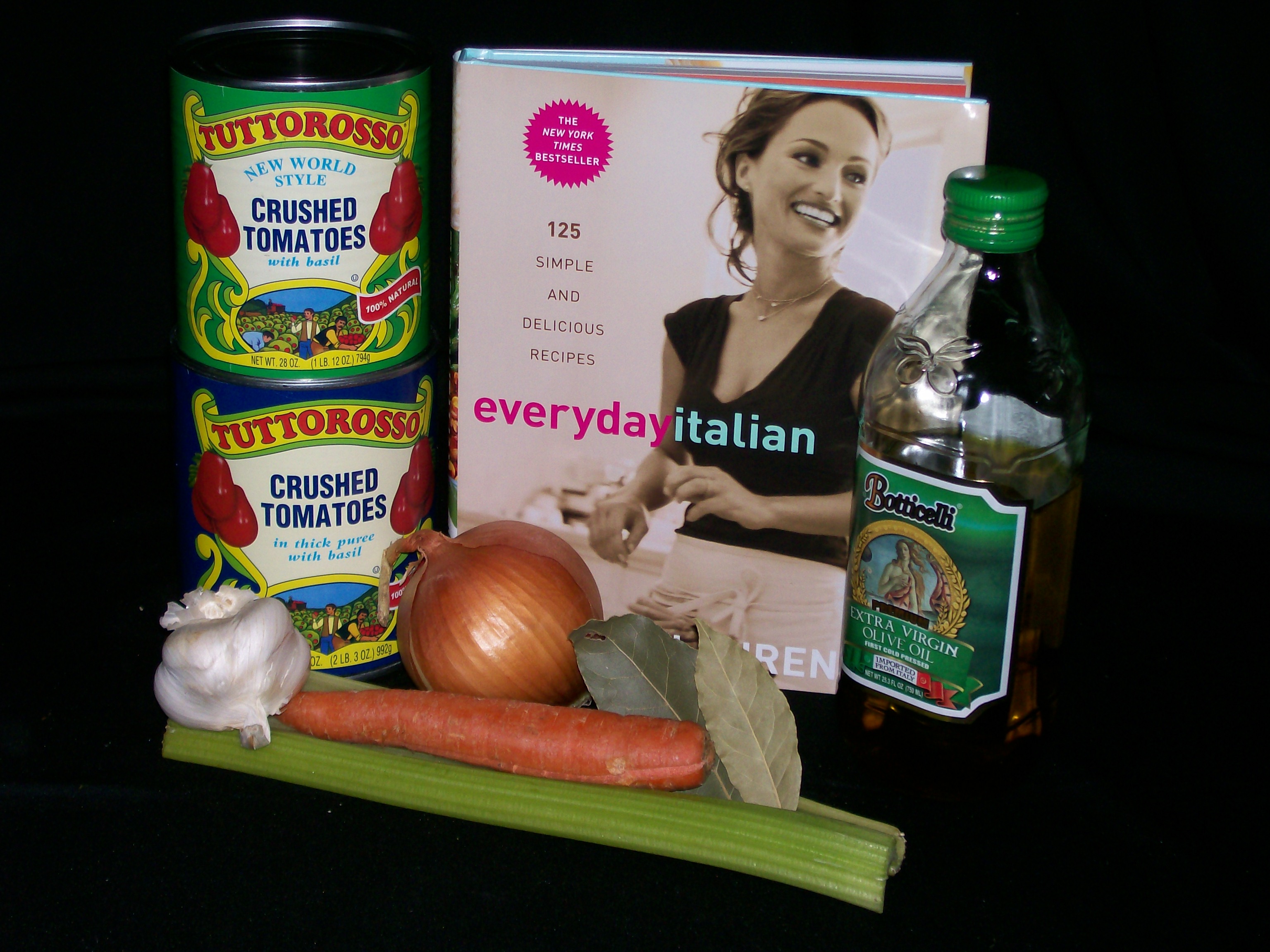
  • 1/3 cup extra virgin olive oil  (note;  use a good quality EVOO, one with a fruity flavor, because this enhances the sauce.)
  • 2 small onions, chopped
  • 2 garlic gloves, finely chopped
  • 2 celery stalks, finely chopped
  • 2 carrots, peeled and grated
  • 1/2 teaspoon sea salt, plus more to taste
  • 1/2 teaspoon freshly ground black pepper, plus more to taste
  • 2 ( 32-ounce) cans crushed tomatoes (note: here too, be sure to use the best canned ones you can find, preferably the San Marzano variety.)
  • 2 bay leaves
  • 1 teaspoon dried oregano (my preference)
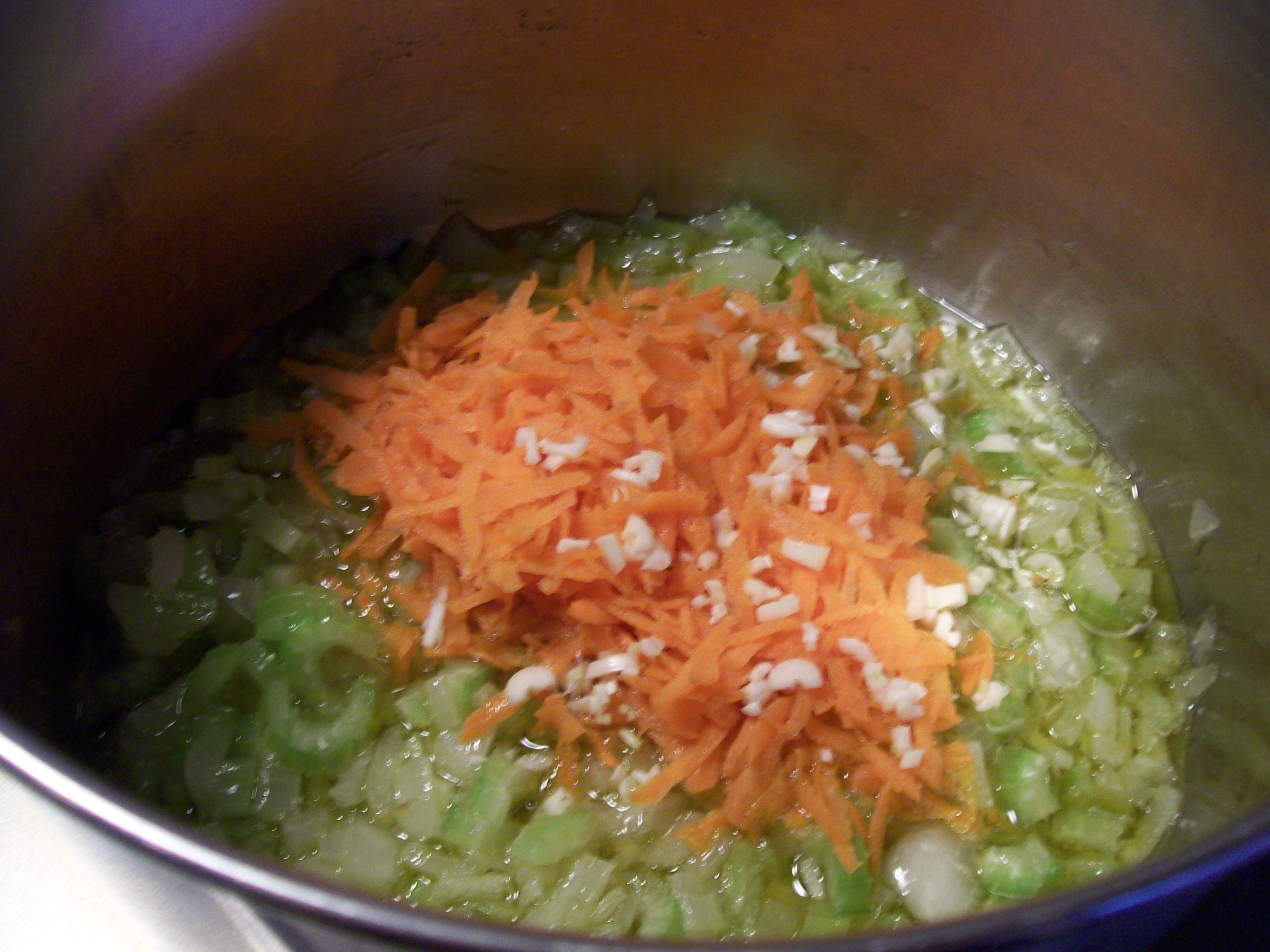
In a large sauce pan, heat the oil over medium heat.  Add the onions and garlic and sauté  until the onions are translucent, about 10 minutes.  Add the celery, carrots, and 1/2 teaspoon each of salt and pepper.  Saute until the vegetables are soft, about 10 minutes.
 Add the tomatoes, bay leaves and any other seasonings you prefer, and simmer uncovered over low heat until the sauce thickens,about an hour.  Remove bay leaves and discard.  Season the sauce with more salt and pepper to taste.
I like to double this recipe when I make it, so I can freeze the extra in 2-3 cup portions in freezer bags, or containers;  then it’s ready when I need some.
Source:  Giada De Laurentis, “Everyday Italian”,  with slight modifications.