Time to Make the Doughnuts!

Pumpkin Cake Doughnuts

I’m not a doughnut person. Glazed, sticky, sweet doughnuts don’t do anything for me. Neither do filled doughnuts, like lemon cream, custard, or raspberry.  Ok, if you twisted my arm I would eat one, and most probably like it, but I don’t go out of my way for doughnuts.  Am I being clear here?   That’s why it’s so surprising that I was all over this recipe when I first came upon it.  I think because they contain pumpkin.  Pumpkin anything will get me every time.

Pumpkin is one of those winter squashes I have been writing about.  They’re everywhere at this time of year.  But when cooking or baking with pumpkin  you don’t want to use the Jack-O-Lantern type, but instead use the small sweet ones called Sugar Babies (or similar name).

“Sugar Baby” Pumpkins

The flesh of these cuties is bright orange, sweet, and smooth, and while the canned version is very convenient, it is not difficult to cook the real deal yourself.  So if you’re making your own pumpkin puree, cut the pumpkin in half, remove seeds, then bake or steam it,  scoop out the flesh, and puree it using a processor, blender, or hand blender.  This can be packed in measured portions and frozen, ready for however you will use it.

When choosing a pumpkin, make sure it’s firm and without soft spots. Under cool conditions pumpkins keep for months without rotting–they love a 50-60 degree porch.  In fact some get sweeter over time, so you need not feel pressured to cook and bake on the same day you buy the pumpkin. And remember the health benefits of this squash: it’s packed with fiber and is a great source of vitamin A.

Hopefully I’ve encouraged you to try using fresh pumpkin–it’s not hard to do–but if not, the canned version is certainly acceptable.  The recipe that follows is for pumpkin cake doughnuts.  With their bright orange color, moist texture, and pumpkin flavor, these baked, not fried, doughnuts are the perfect thing to have with a cup of coffee or a glass of apple cider.

The amount of dough this recipe makes is generous, and I was somewhat limited in pan choice since I only have one doughnut pan which holds six doughnuts.  So I improvised and used a mini bundt pan, only filling each well a third way full. Still having more dough to use, I poured the rest into a six-cup muffin pan, and sprinkled the tops of them with cinnamon chips.  In total,  I got 18 doughnut-bundt-muffins.  No matter what shape they’re in, they taste fantastic.  Perfect for Fall!

PUMPKIN CAKE DOUGHNUTS

YIELD:  (per recipe)  12 doughnuts

INGREDIENTS:

  • 1/2 cup vegetable oil
  • 3 large eggs
  • 1 1/2 cups sugar
  • 1 1/2 cups pumpkin puree
  • 1 1/2 teaspoons pumpkin pie spice, or 3/4 teaspoon cinnamon, plus 1/4 teaspoon each nutmeg and ginger
  • 1 1/2 teaspoons salt
  • 1 1/2 teaspoons baking powder
  • 1 3/4 cups + 2 Tablespoons flour
  • coating:  cinnamon sugar

DIRECTIONS:

1.  Preheat oven to 350 degrees.  Lightly grease 2 standard doughnut pans.  If you don’t have doughnut pans you can bake these in muffin tins, or other similar pans.  They just won’t look like doughnuts.

2.  Beat together the oil, eggs, sugar, pumpkin, spices, salt and baking powder until smooth.  Hint:  mix spices and baking powder with the sugar using a whisk for good distribution.

3.  Add the flour, stirring just until smooth.

4.  Fill the wells of the doughnut pans about 3/4 full; using a scant  1/4 cup batter in each.  If you’re making muffins, fill each well about 3/4 full;

5.  Bake the doughnuts for 15 – 18 minutes, or until a cake tester inserted into the center of one comes out clean.  Muffins will need to bake for 23 – 25 minutes.

Pumpkin Muffins with Cinnamon Chips

6.  Upon removing from the oven let the doughnuts cool in their pans about 5 minutes, then loosen their edges and transfer them to a rack to cool.

7.  While the doughnuts are still warm, gently roll them in a cinnamon-sugar mixture to coat.  For muffins sprinkle the tops heavily with the cinnamon sugar.  Store at room temperature for several days

Pumpkin Spice Doughnuts

SOURCE:  King Arthur Baking

Thai-style Chicken Squash Stir Fry

Thai-Style Chicken and Squash Stir-Fry

With the weather still being relatively warm I wanted to prepare something light yet still take advantage of some fall vegetables, so I made up a stir-fry that incorporates butternut squash. The original recipe for this dish called for snow peas and carrots, but I substituted the butternut squash instead. It incorporates the robust flavors of Thai cuisine.  The ingredient list looks long, but if you get all of the ingredients prepped and organized before proceeding, the cooking itself is quick.  Serve it with steamed rice, fried rice, or to save on carbohydrates, wrap it in lettuce leaves.

THAI-STYLE CHICKEN, BUTTERNUT SQUASH, AND ONION STIR-FRY

YIELD:   6 servings

INGREDIENTS

  • 1 pound boneless, skinless chicken breasts, trimmed and thinly sliced

    Prep all the ingredients first.

  • 1/4 cup soy sauce
  • 1/4 cup mirin, rice wine, or dry sherry
  • 1/4 cup water
  •  2 Tablespoons plus 1 teaspoon cornstarch, divided
  • 2 Tablespoons toasted sesame oil
  • 3 Tablespoons fish sauce
  • 1/4 cup low-sodium chicken broth
  • 1 Tablespoon fresh lime juice
  • 1 Tablespoon sugar
  • 2 teaspoons freshly ground black pepper
  • 4 teaspoons vegetable or peanut oil, divided
  • 1 small butternut squash ( about 1 pound), peeled, seeded, and cut into 1/2-inch cubes
  • 1 onion, cut into thick wedges
  • 4 medium sized garlic cloves, minced
  • 2 teaspoons minced fresh ginger
  • 1/2 cup finely chopped fresh mint or cilantro
  • 1/3 cup crushed unsalted peanuts (optional)

DIRECTIONS

1.  Wrap chicken breast pieces in plastic and gently pound them very thin.

2.  In a medium bowl, whisk together soy sauce, mirin, and water; add chicken, toss to combine, and chill 15 minutes.

3.  In another medium bowl, whisk together 2 Tablespoons cornstarch and sesame oil, set aside.

4.  In a small bowl, whisk together fish sauce, broth, lime juice, sugar, pepper, and 1 teaspoon cornstarch; set aside.

5.  Drain chicken, pat dry, and toss with cornstarch-sesame mixture until thoroughly coated.  Heat 2 teaspoons vegetable oil in a large non-stick fry pan or wok over high heat until just smoking.

Add chicken, using tongs to separate and spread pieces out, and cook, stirring, until both sides are well browned and interior is almost cooked through, 2-3 minutes.  Transfer to a large bowl.

6.  In now empty pan, heat remaining 2 teaspoons oil until smoking and cook butternut squash, stirring occasionally, until just tender and browned on the edges, about 6 minutes; transfer to bowl with chicken.

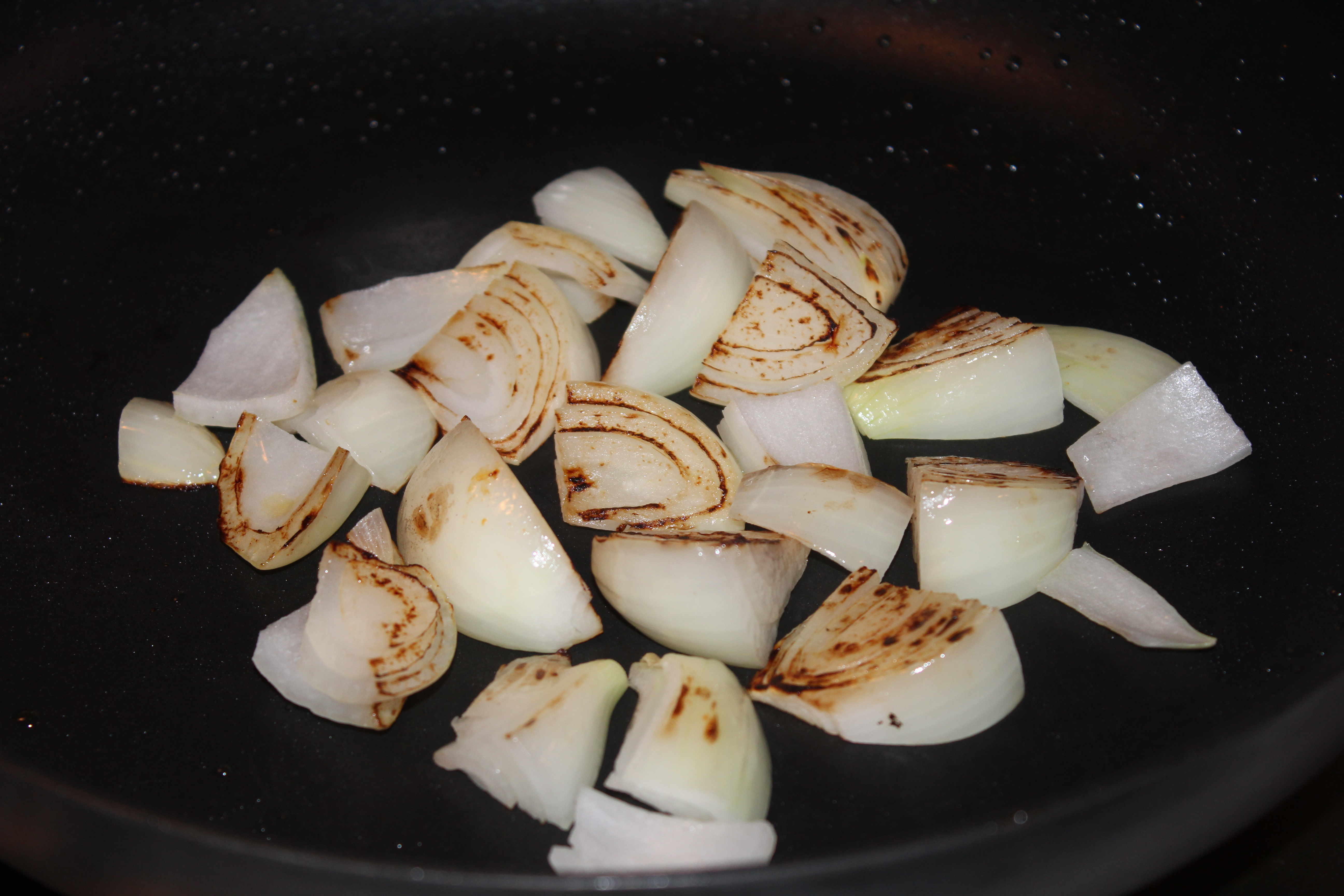
Add onion wedges to pan and cook, without moving, until nicely charred on one side, about 1 minute; continue cooking for an additional minute, stirring frequently.

Push onions to the outside edge of the pan; in the center, add garlic and ginger and cook, stirring until fragrant, about 30 seconds.

Putting it all together.

7.  Move onions back to center of pan, add reserved chicken and squash, and stir in fish-sauce mixture.  Cook, stirring frequently, until sauce thickens, about 2 minutes.

Transfer to serving dish, garnish with herbs and crushed peanuts ( if using) and serve immediately .

SOURCE:  Adapted from a recipe in Cooking Light

Emphasis on Squash

Fall arrives at my local farm market.
Courtesy, Gotta’s Farm

I wasn’t ready for it but now that its here I’ve adjusted to the new season. Suddenly I want to eat foods that represent Fall like apples, pears, ginger cookies, hermits, any thing with caramel, squash, pumpkin —–oh my, so many foods, so little time to get my fill before the farmer’s markets close for another year.

I think I’ve had just about enough zucchini and yellow squash.  I’m craving the bright color and flavors of winter squash.  It’s called winter squash but that’s not true, really.  It was planted in the spring like all the other vegetables, it’s being picked now, we just eat it mostly in the winter.  There are quite a few squash that are put into this category such as the butternut, acorns, Hubbards, spaghetti, and delicatas.  Winter squashes are fully grown–picked in September and October—with thick skins that keep them fresh and edible  well into winter months.

The long time they spend on the vine does more than give them a hard shell; it also gives the flesh time to develop the sugars and deep warm color that is its signature.  Winter squash are packed with so many vitamins and nutrients that it isn’t just delicious and comforting—it’s so good for you.  Extremely versatile, we can cook it into soups, add it into pastas, include it in a salad, or simply roast it with a bit of oil, salt and herbs.  The only real challenge is removing that thick skin, a task made easier by a sharp peeler or paring knife.  Some squash can be baked in their shells and the flesh scooped out, thereby sidestepping the peeling part.

I expect I’ll be sharing a variety of recipes with you that make use of squash, since we really like it and eat it frequently.  By way of introduction, I thought I would describe for you some of the many winter squash, that are now available in the farmer’s markets and grocery stores.  Perhaps you will be adventurous and try one that you have not had before.

Acorn Squash
Courtesy Gotta’s Farm

ACORN:  Found in most supermarkets, acorn squash is one of the most popular squash varieties.  It is small, acorn-shaped, and can range in color from dark green to yellow and white.  Its surface is ribbed, making it difficult to peel, so the best way to prepare it is to cut in half or quarters and  top with butter, brown sugar or maple syrup, and bake.  Its flesh turns sweet, tender and nutty and can be easily scooped from the shell.  I like to fill the indentation with sliced apples or raisins, then top with brown sugar and butter and roast until tender.

Buttercup Squash
Courtesy Gotta’s Farm

BUTTERCUP:  At a quick look you might mistake this squash for an acorn because of its deep green color, but instead of ribs it has white striped markings.  It is more round with a top that looks like a little hat.  It makes me think of a turban.  It too, has a very hard outer shell and is best cut in half or wedges, seeded, then roasted.  Its flesh is bright orange, much like an acorn squash, and can be prepared in the same way.

Butternut Squash
Courtesy, Gotta’s Farm

BUTTERNUT:  This squash is readily available in the supermarket from early fall through winter.  It is easily identified by its tan, smooth skin, and elongated bell shape. The true name for this squash is the Waltham Butternut, named for the Massachusetts city where it was first grown.  It is perhaps the best known and most widely used squash because it an be prepared in a variety of ways.  The flesh is smooth, fine and sweet, making it excellent for purees, though it is also good cubed and steamed or roasted.  Butternut squash is a good substitute for pumpkin in pie-making, and one of my favorite ways to use it is in Butternut Bisque, a delicious autumn soup.

Delicata Squash
Courtesy, Gotta’s Farm

DELICATA:  True to its name this petite, pale yellow squash has a delicate thin skin that becomes very tender when cooked.  The flesh is creamy, with a sweet, corn-like flavor.  It can be roasted and used in pastas or salads, or sautee slices in butter or olive oil until brown and caramelized.

Hubbard Squash
Courtesy, Gotta’s Farm

HUBBARD:  These are big, blue-gray, and bumpy.  They are the giants of the squash world, growing to be hugh with very thick skins.  Because of their size, they are hard to handle and manage.  If stored at cool temperatures, this is a squash that can be kept for up to six months. You may see them in the supermarket already cut into smaller pieces and packaged to be sold by weight. Home cooks who break one down, or purchase one pre-cut, will find the flesh sweet and tender when cooked.  Cut it into small pieces and boil, roast or steam it. It’s sweet taste makes it perfect for soups and pies.

SPAGHETTI:  Large and golden in color, the spaghetti squash is best known for its stringy, texture, which, when cooked presents a unique surprise.  After cooking the flesh separates and the strands resemble spaghetti pasta.  It can be prepared in a variety of ways including boiling, baking or microwaving. Once the flesh is tender, use a fork to “rake” out the strands all the way to the skin and serve it in the same way as pasta with seasonings, sauces, meats, or other vegetables. When selecting one for flavor and ripeness, look for a large spaghetti squash with deep yellow color.

Spaghetti Squash
Courtesy, Gotta’s Farm

Crab Imperial

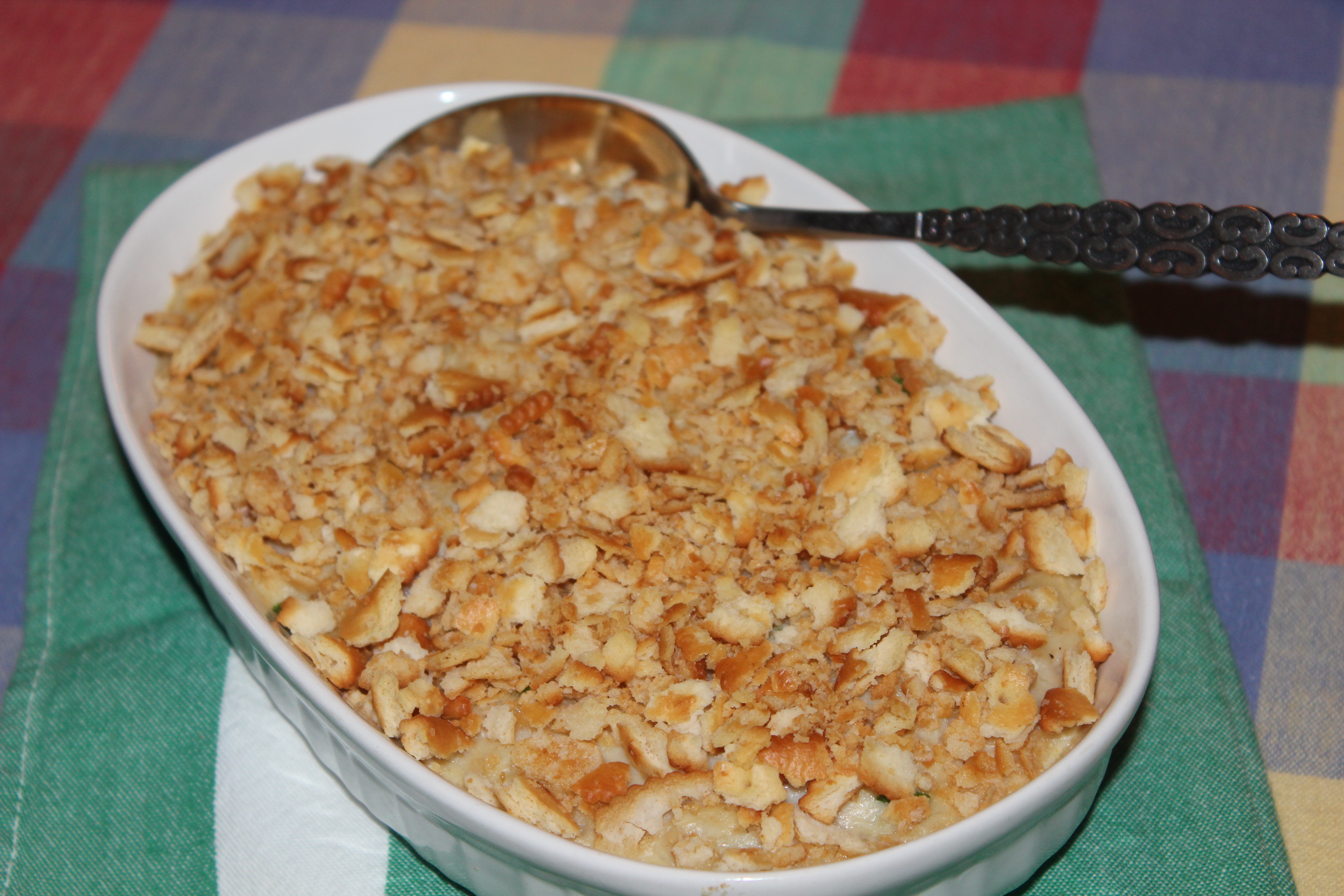
Crab Imperial

With the remains of the crabmeat my husband brought home  I made this dish.  In a sense it was an experiment because  I had not made it before, but I had all the ingredients on hand so I gave it a try.

Before I get to the recipe I thought I would share with you some facts about crabmeat.  Fresh crab meat will keep in your refrigerator for about 3 days, but  crabmeat which has been pasteurized will keep for several months in the refrigerator.  One pound of crabmeat equals 3 cups.  Crabmeat is packaged as follows:

  • Backfin, or Lump:  Solid lumps of white meat from the body muscles of the crab—the best!  It contains very little shell or cartilage, and is preferable in special recipes such as Crab Imperial or Crabmeat Salad.
  • Regular:  Small pieces of savory white meat from the body.  Still considered excellent, but takes more picking over for cartilage and shell removal.  Great for crab cakes, casseroles, salad, dips, etc.
  • Special:  A mixture of backfin and regular; also fine for dishes listed above.
  • Claws:  Meat from claws has a brownish tint, and comes in thin pieces.  It’s mostly used where appearance isn’t important.

The crabmeat that I had came from two large crab legs, part of which I had already used for the crab cakes, and what was left weighed about half pound, so I made only half of the following recipe.  The full recipe makes 4-5 servings.

CRAB IMPERIAL

SERVINGS:  4-5

INGREDIENTS

  • 1 egg
  • 1/4 cup mayonnaise
  • 1 teaspoon Worchestershire sauce
  • 3 dashes Tabasco sauce
  • 1/2 teaspoon salt
  • 1/4 teaspoon thyme
  • 1/2 teaspoon dry mustard
  • 3 Tablespoons parsley, chopped
  • 1 pound crabmeat, backfin or lump preferred
  • 2 Tablespoons butter, melted
  • 10-15 Ritz crackers, crushed

DIRECTIONS

1.  Preheat oven to 375 degrees. Grease a shallow baking dish or individual shell dishes.

2.  Remove any shell or cartilage  from crab meat.  Mix together all ingredients except crabmeat.  Gently stir in crabmeat.

3.  Put mixture in prepared baking dish(es).  Mix crushed crackers with the melted butter, then sprinkle on top of crab mixture.   Bake for 15-20  minutes.

My Evaluation:

Although we both liked the dish as prepared and presented here, I think if I make it again I would modify it in the following ways:  Add a few bay scallops and shrimp to the mixture for some variety in texture. Because the crab I used came from the legs, the pieces were small, and therefore there wasn’t enough “chew” factor.  The overall color of the dish was rather bland, so I would add some chopped green onion, maybe some roasted red pepper for color. Lastly I think it would be more enticing if it were served in a small pastry shell like phyllo cups.  These are just a few thoughts “in hind-sight” for anyone who decides to make it.  If you make it and have some good ideas to improve upon the recipe I would be interested to hear about it.

Crab Imperial

SOURCE:   Savory Shellfish Recipes of the Shore